Winter is the season when I enjoy getting dressed the most. Colder weather changes the rhythm of dressing entirely. Layers become necessary rather than decorative, and clothing starts to feel more connected to routine, comfort, and everyday life. Coats, scarves, boots, heavy knits, and hats return naturally during this time of year, shaped as much by weather and movement as by aesthetics.
I notice this especially while back in Milan during the weeks around Christmas and early January, when the city feels particularly animated. Restaurants fill quickly in the evenings, cafés stay crowded late into the night, holiday lights reflect against historic buildings after dark, and heavy coats, scarves, and darker winter palettes become part of the rhythm of everyday life. Winter dressing feels especially natural during that time of year, built around familiar pieces worn repeatedly throughout the season.
This board gathers winter looks mostly worn in Milan, alongside moments shaped by travel, interiors, and the atmosphere of winter itself. Neutral tones appear often, mixed with deeper reds, browns, black, cream, and small touches of texture that feel naturally connected to the season. Fur collars, oversized coats, scarves, turtlenecks, and heavier fabrics become less about trends and more about familiarity, warmth, and repetition. What I have always liked most about winter dressing is the sense of continuity it creates. Outfits are not constantly reinvented, but adjusted slowly over time: the same coat worn differently, a scarf added over a familiar knit, layers repeated until they become part of daily routine. Winter dressing, for me, has always been less about novelty and more about familiarity, repetition, and the comfort of returning to pieces that feel tied to the season itself.
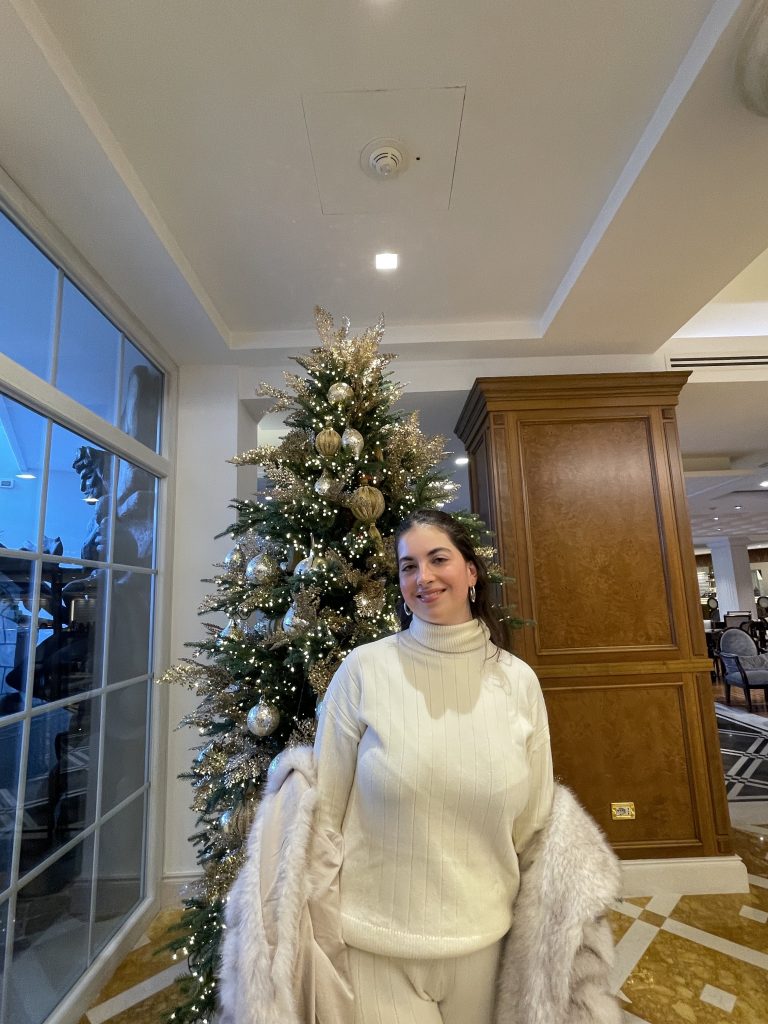
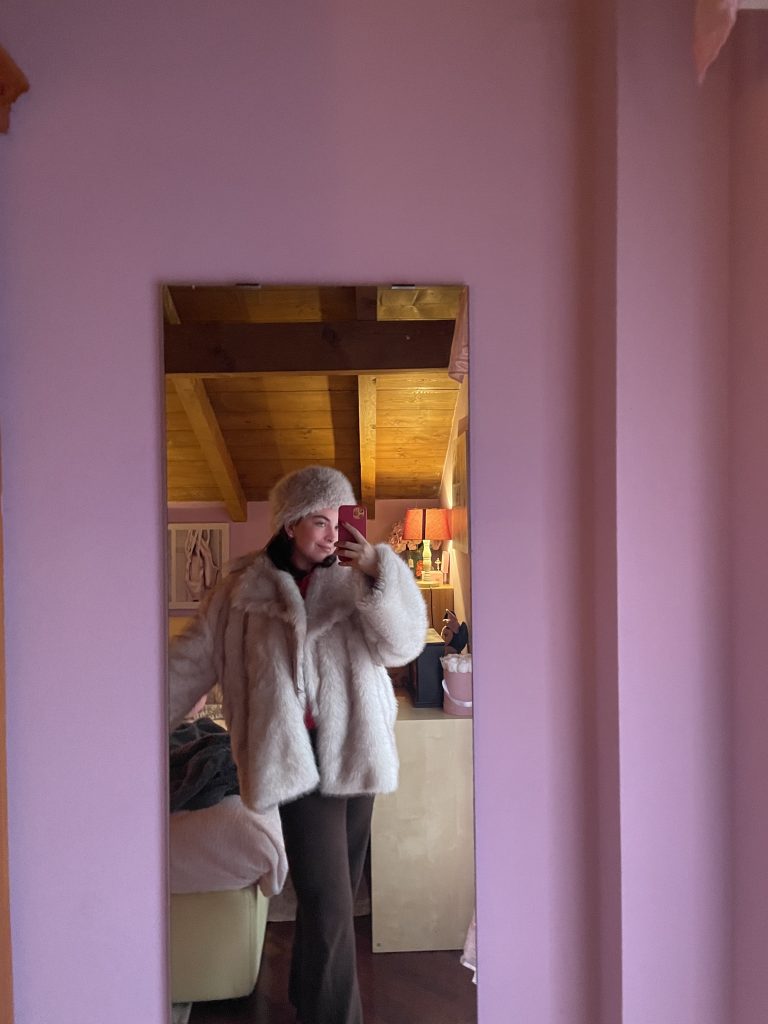
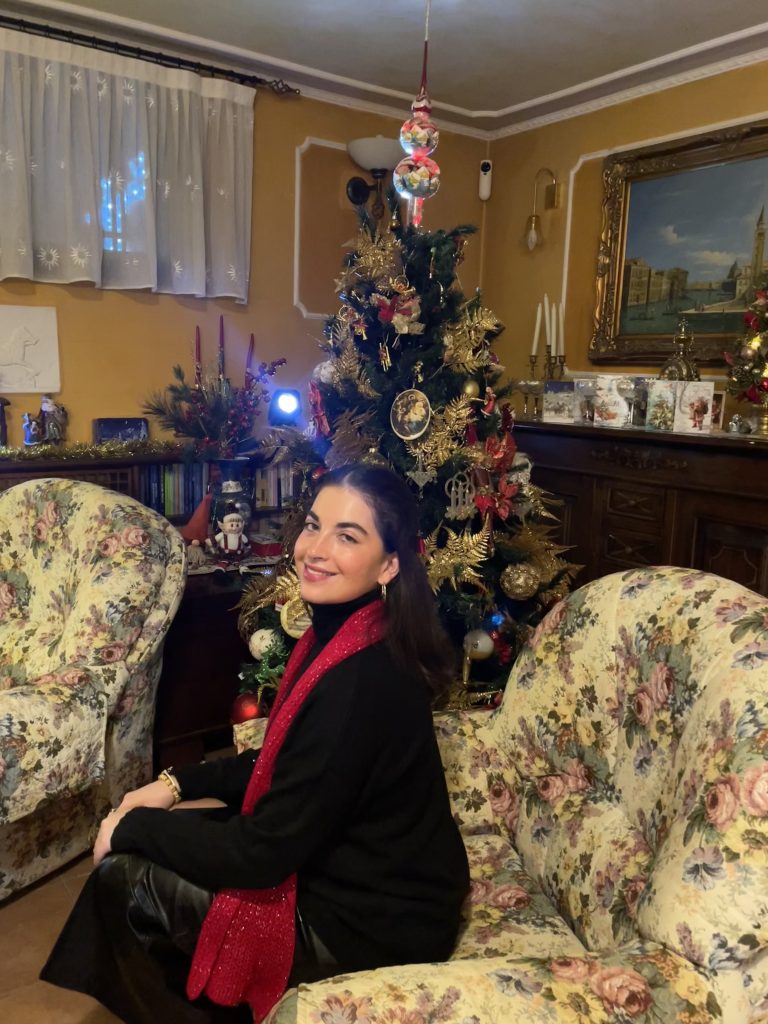
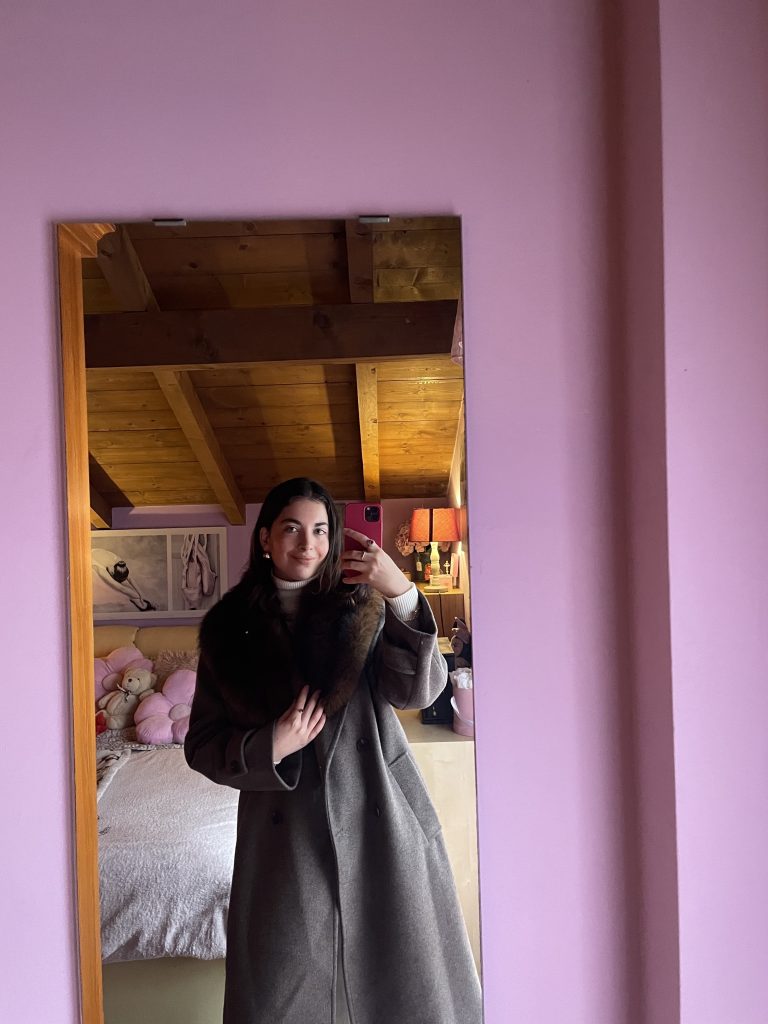
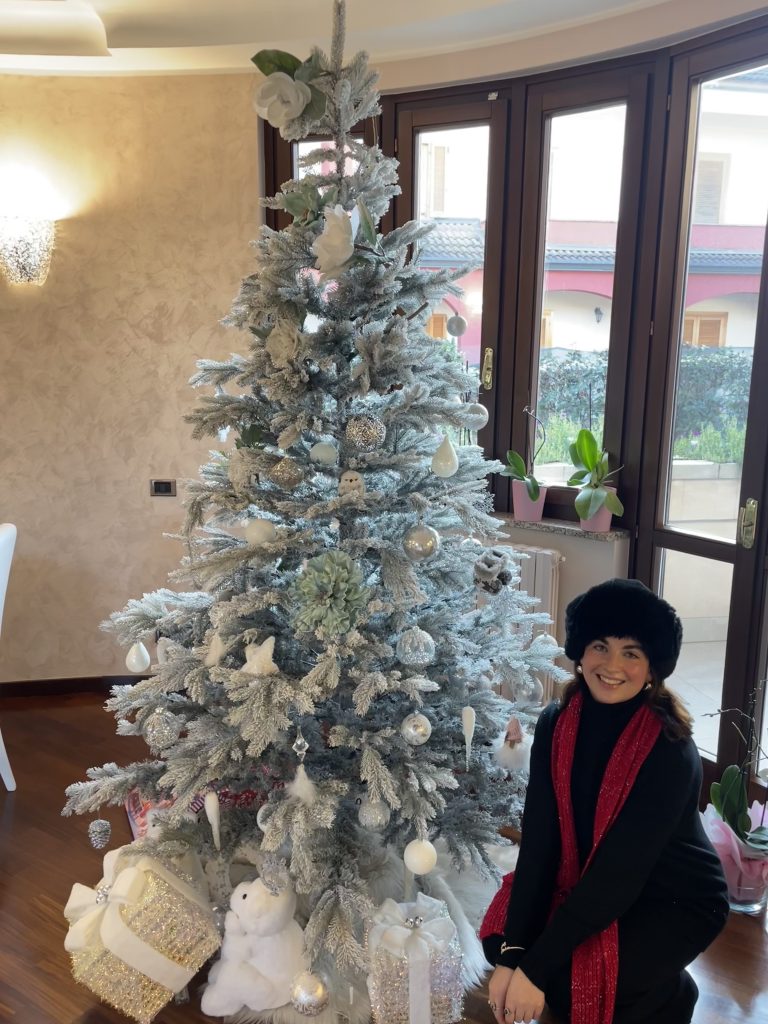
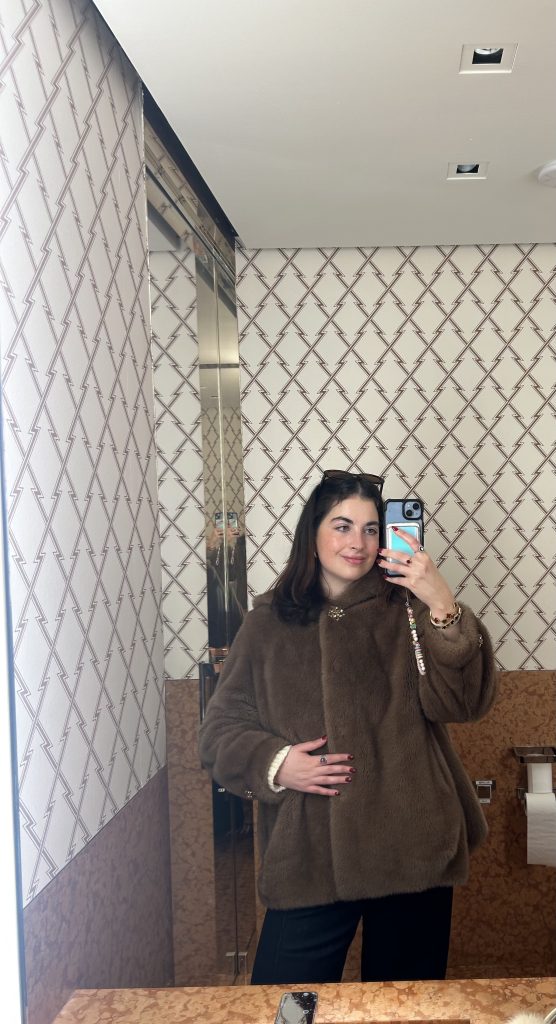
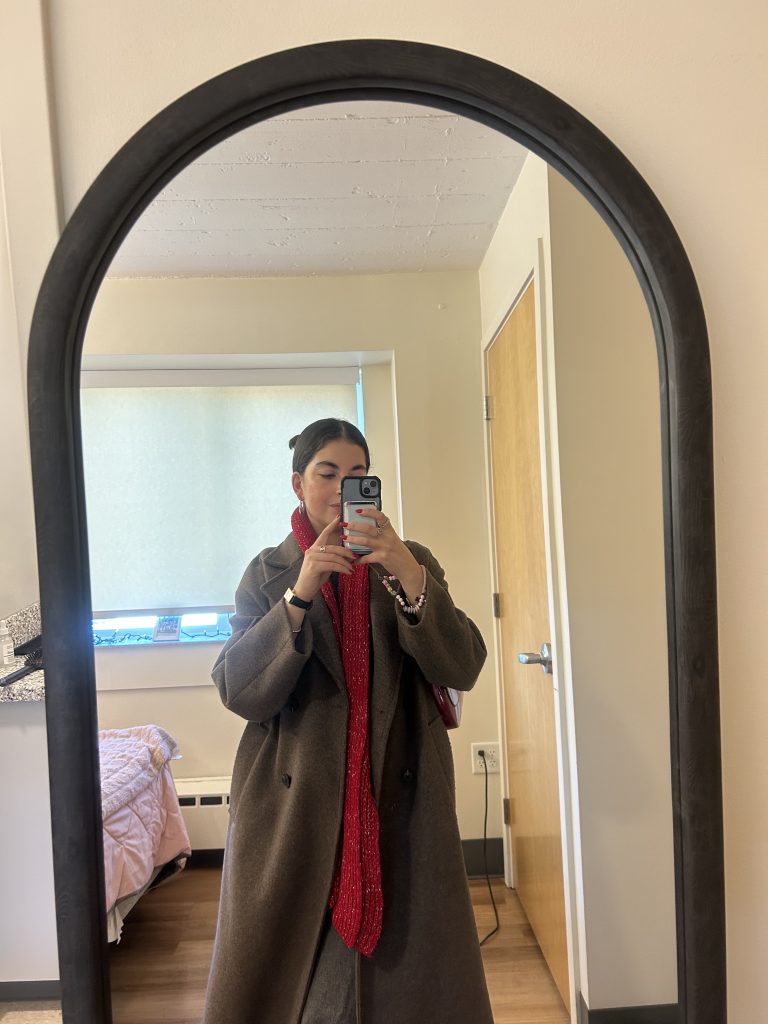
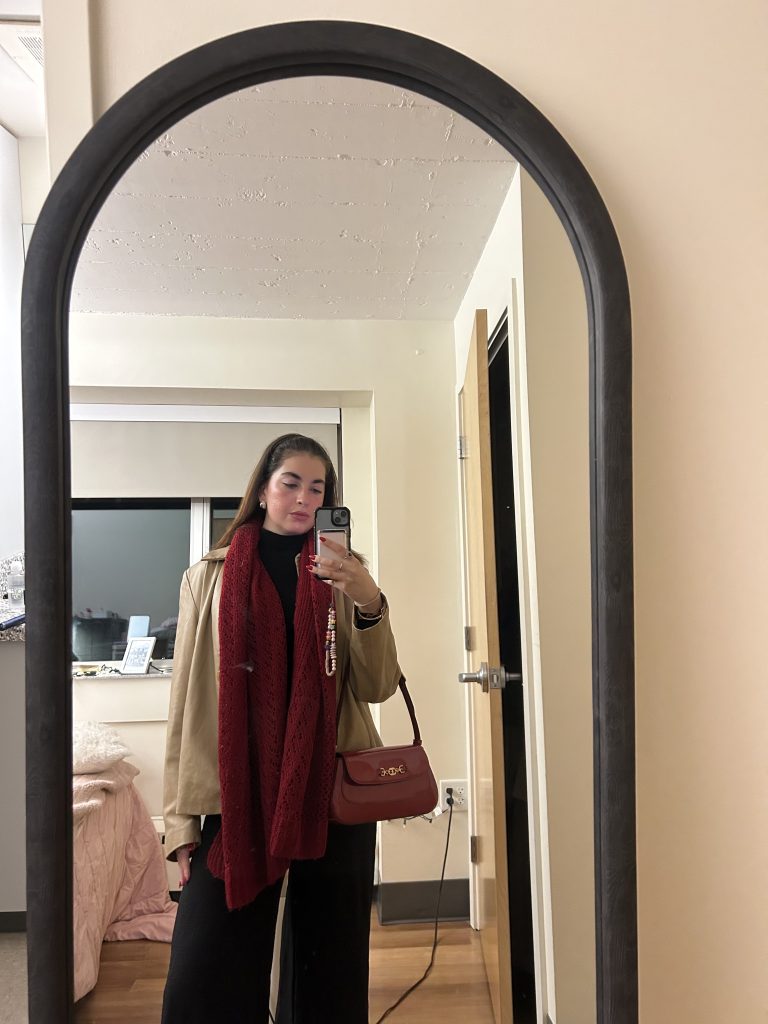
Winter fashion has always been one of my favorites because it allows for a slightly more intentional way of dressing. The colder months naturally bring more layers, texture, and structure into everyday life, making clothing feel more connected to atmosphere and routine. Around the holidays especially, winter dressing takes on a different mood: velvet, deeper reds, touches of gold, heavier fabrics, and darker palettes that feel tied to the season without needing to feel overly formal.
Coats become central during this time of year. I have always been drawn to them, constantly paying attention to shape, fabric, weight, and proportion. This winter, I found myself returning often to fur details, fur collars, scarves worn loosely around the neck, oversized coats, and heavier textures that added both warmth and softness. While back in Milan around Christmas and early January, I noticed faux fur everywhere: on collars, hats, jackets, and long coats worn throughout the city. It was one of the details that seemed to define winter dressing that season. I found myself increasingly drawn to it as well. Beyond its practicality, faux fur brings a sense of texture and elegance that can completely transform an outfit. Even the simplest winter look feels more polished and intentional once those softer, richer textures are introduced. Turtlenecks also become almost a uniform for me during winter, simple pieces that feel elegant, comfortable, and easy to wear repeatedly throughout the season.
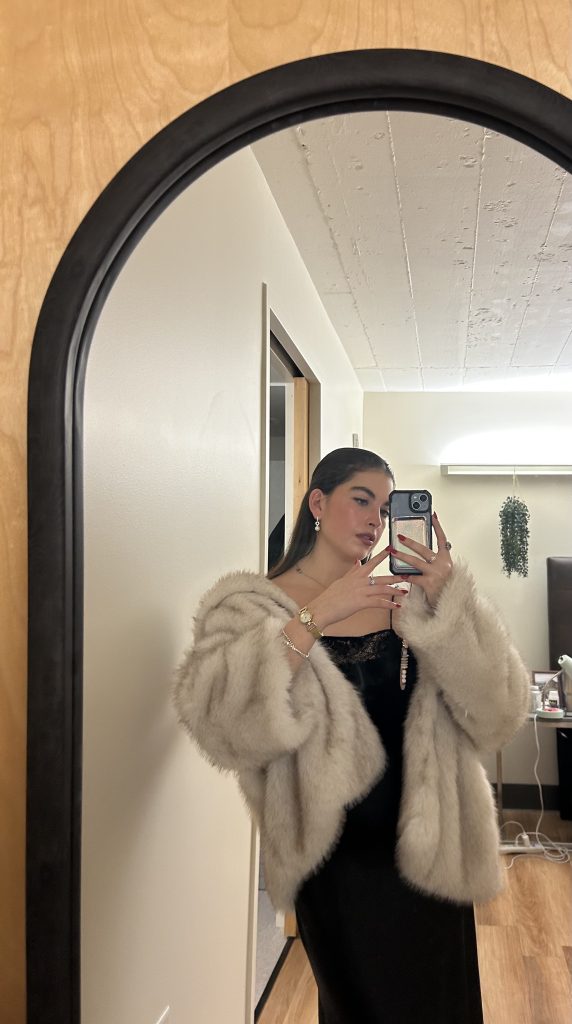
What I like most about winter dressing, however, is the sense of familiarity it creates as well as creativity. Outfits evolve slowly rather than changing entirely: the same coat worn differently, familiar boots repeated daily, scarves layered over pieces already worn countless times before. Accessories become part of everyday routine rather than decoration, subtly changing the mood of an outfit without replacing it altogether.
The colors I return to most during winter are usually darker and richer tones: black, brown, cream, deep reds, and touches of gold, colors that feel naturally connected to colder months and shorter days. While back in Milan this winter, I noticed myself drawn increasingly toward a quieter kind of elegance built around classic shapes, familiar layers, and materials that already carried a sense of memory and continuity.
Returning to Milan also reminded me how differently winter is often approached there. People tend to invest heavily in outerwear because coats become such a visible part of everyday life for several months of the year. Walking through the city, I found myself paying attention to details I might have overlooked elsewhere: oversized wool coats, fur collars, long scarves, leather gloves, tailored boots, and richer textures worn with an ease that made them feel entirely natural rather than styled. There is a particular elegance to winter dressing in Milan that comes less from following trends and more from repetition, quality, and familiarity.
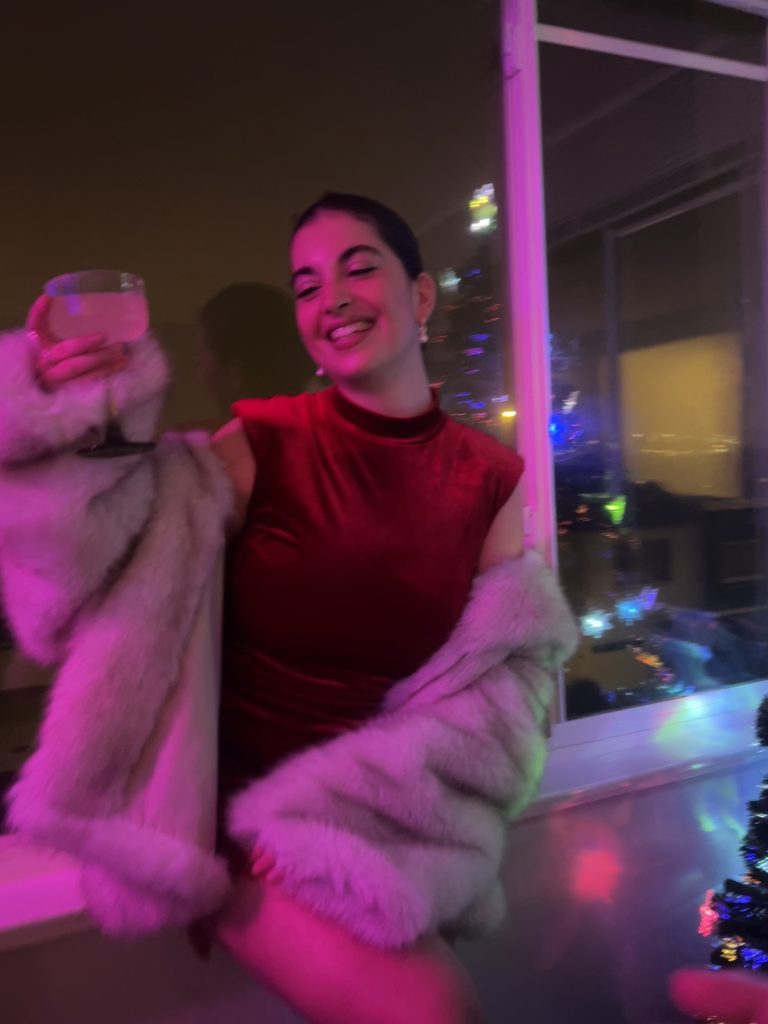
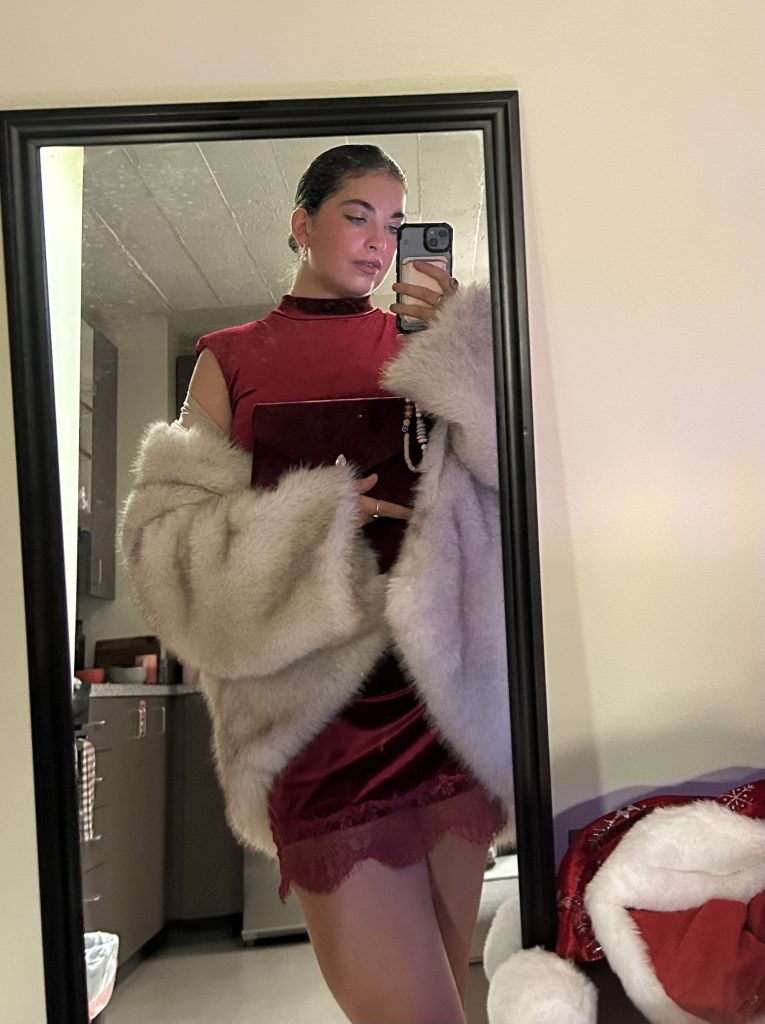
I also found myself thinking about winter imagery that has long influenced the way I imagine the season: photographs of Lake Como in the 1960s, mountain towns during ski season, warm hotel interiors after dark, and heavy coats worn through cold evenings. What attracts me to these images is not nostalgia itself, but the atmosphere they create, one that feels warm, understated, and quietly refined. I was not trying to recreate those references directly, yet traces of them appeared naturally in the textures, silhouettes, and mood of many of the outfits I wore throughout the season.
More than anything, winter dressing reminds me that fashion does not always need novelty to feel inspiring. Sometimes it is simply about returning to familiar pieces slowly, allowing them to settle naturally into everyday life and become part of the rhythm of a season.