Winter weekends in Truckee and Lake Tahoe always remind me that mountain dressing follows its own set of rules. Unlike city dressing, where appearance often takes precedence, clothing in mountain environments has to respond first to weather, landscape, and activity. Warmth becomes essential, but style never disappears entirely. Instead, it takes a different form.
Over time, mountain style has developed into its own aesthetic tradition. From the ski resorts of the Alps to destinations such as Aspen, St. Moritz, Cortina d’Ampezzo, and Lake Tahoe, winter dressing has long been shaped by a balance between practicality and elegance. Wool, shearling, faux fur, oversized knits, sturdy boots, and structured outerwear are worn not simply because they are fashionable, but because they belong naturally to the environment.
What I find most appealing about mountain style is that it feels less trend-driven than many other forms of fashion. The same pieces return year after year: a good coat, a warm turtleneck, a fur hat, a pair of boots that can withstand snow and ice. The emphasis is often on texture rather than color, and on quality rather than novelty. Against a backdrop of pine forests, frozen lakes, and snow-covered landscapes, even simple outfits seem to take on a different character.
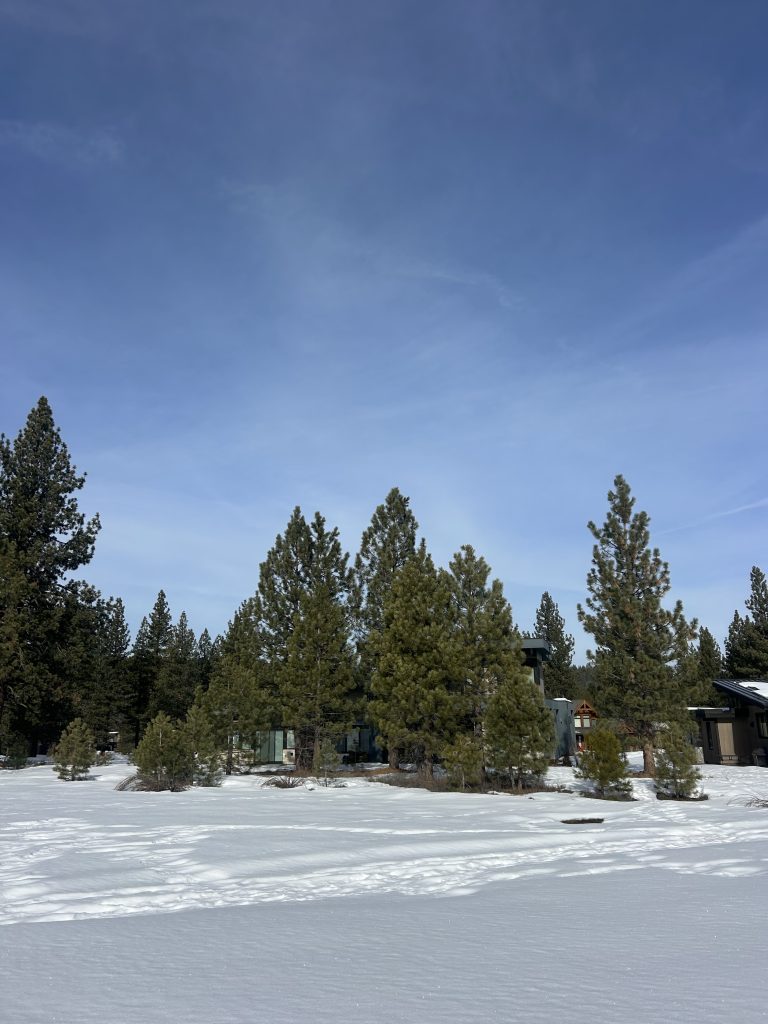
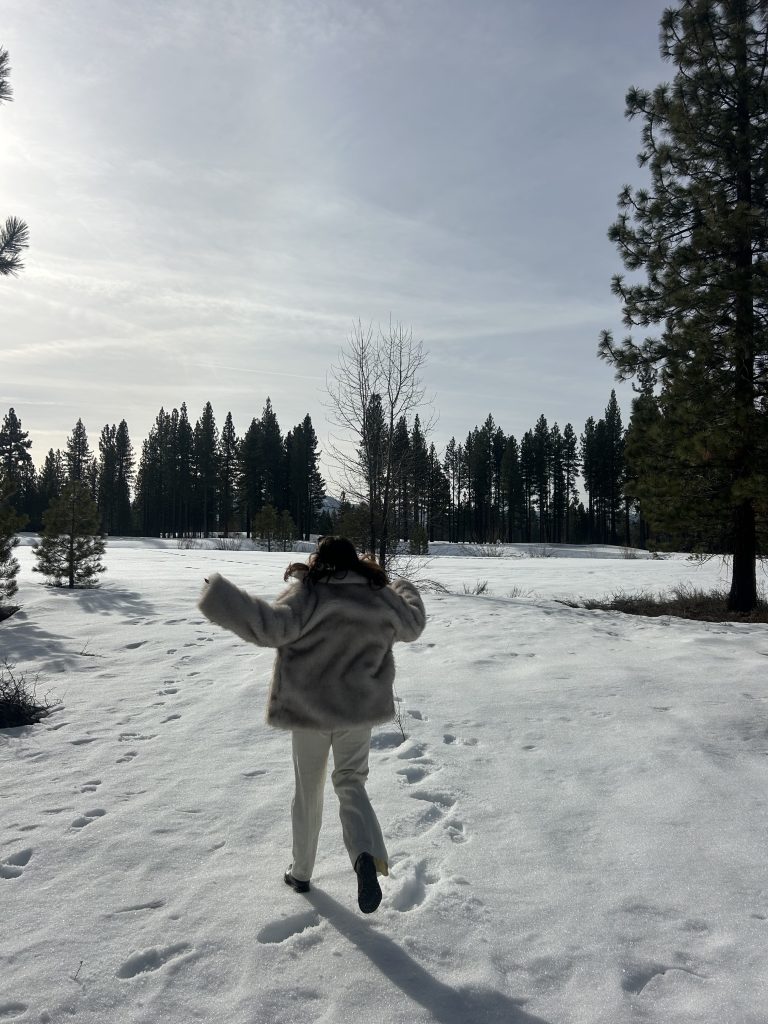
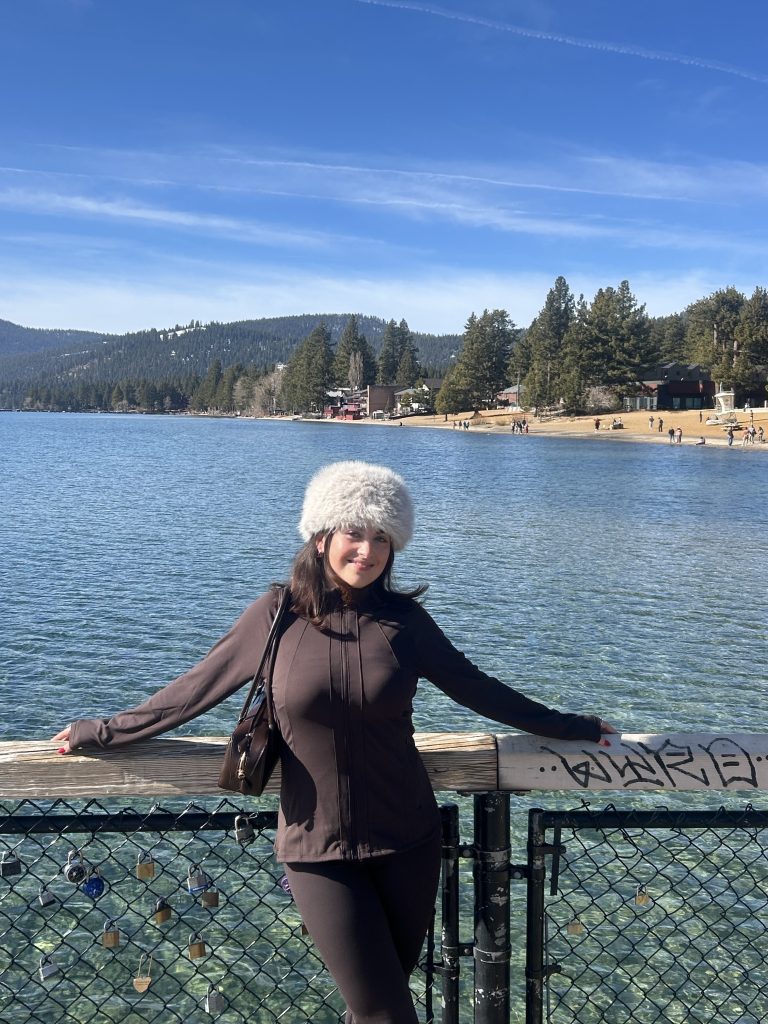
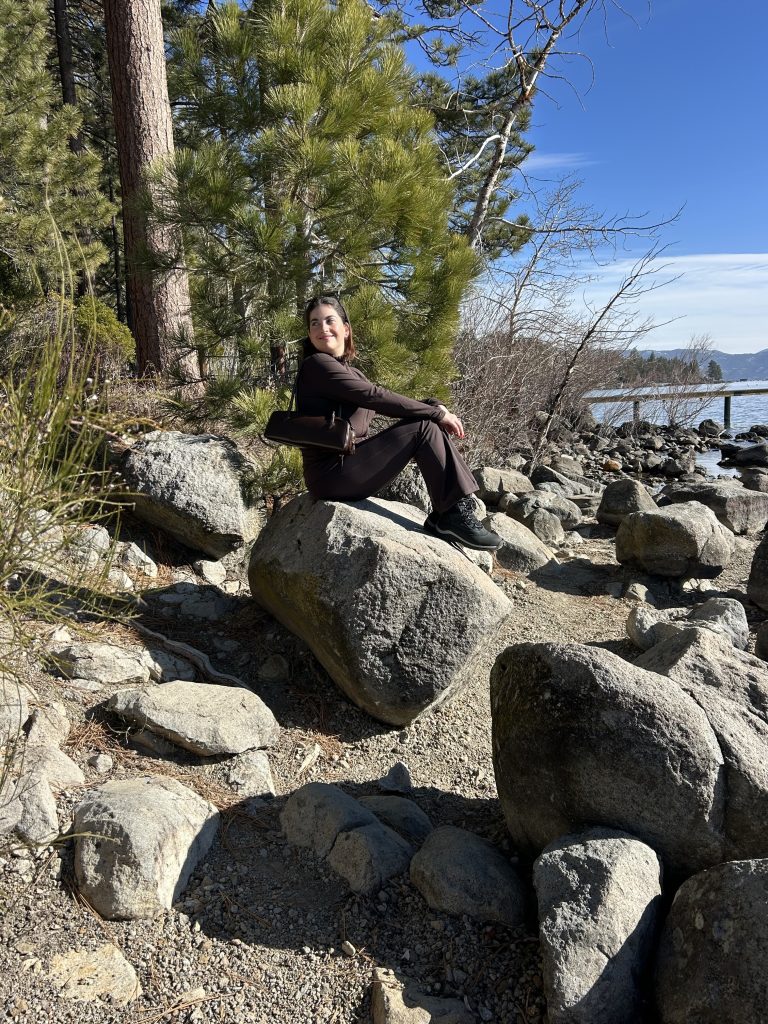
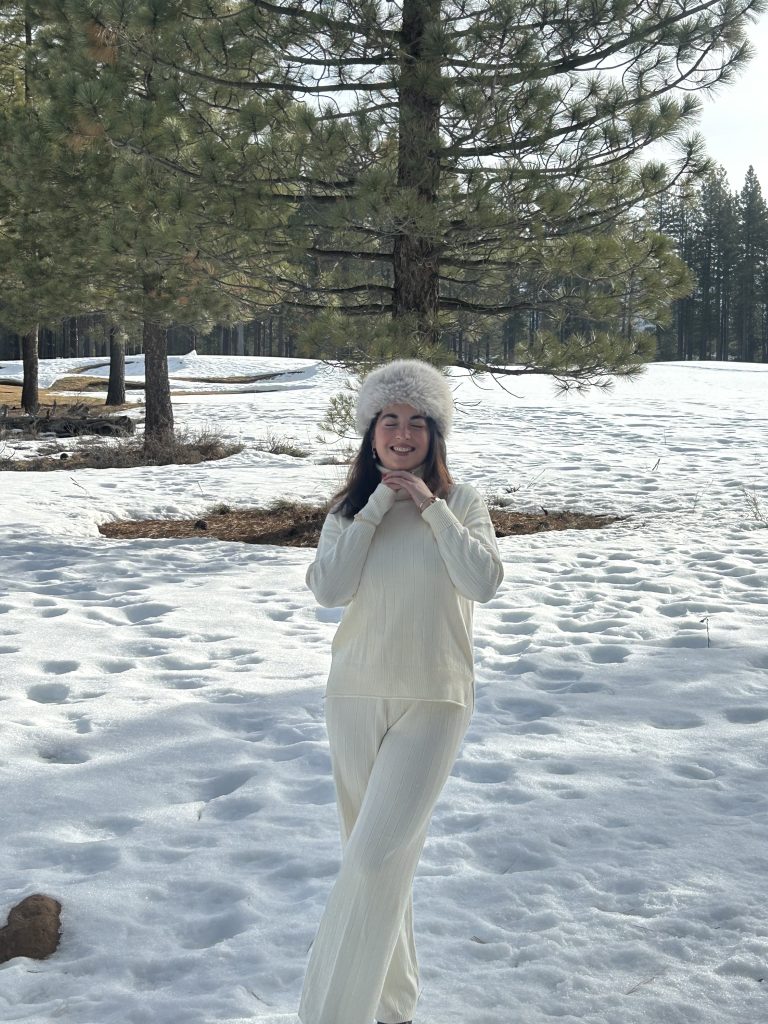
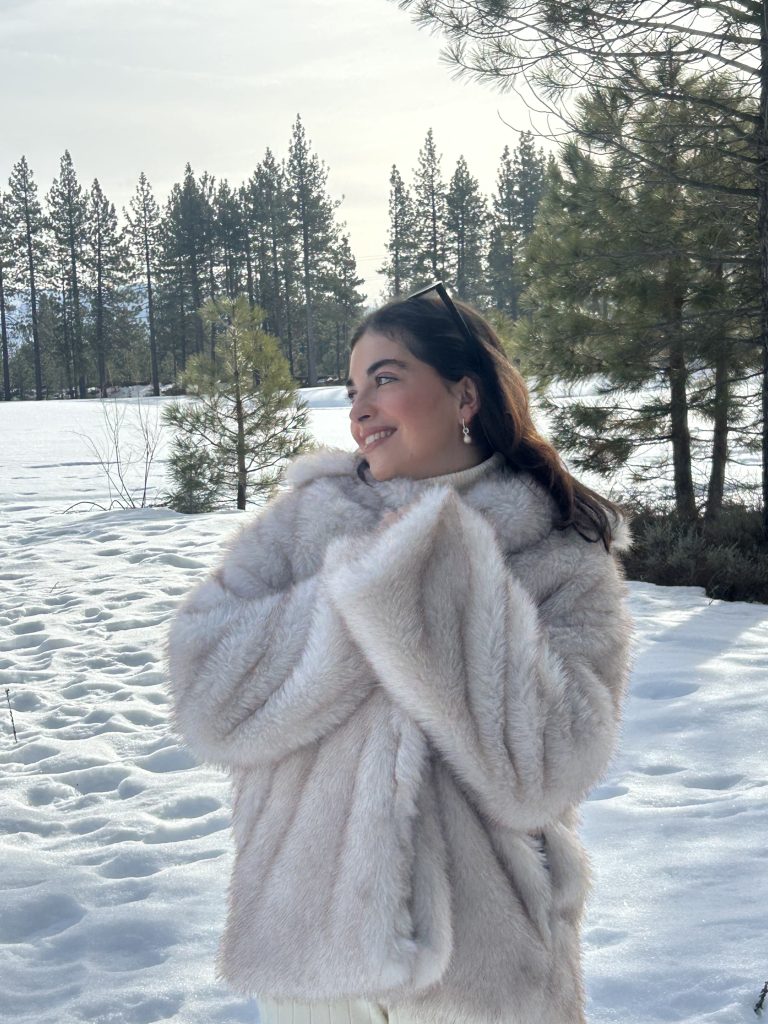
The photographs below were taken during a winter weekend in Truckee and Lake Tahoe, places where mountain dressing feels particularly natural. They capture not only winter outfits, but also some of the atmosphere that makes this style so enduring.
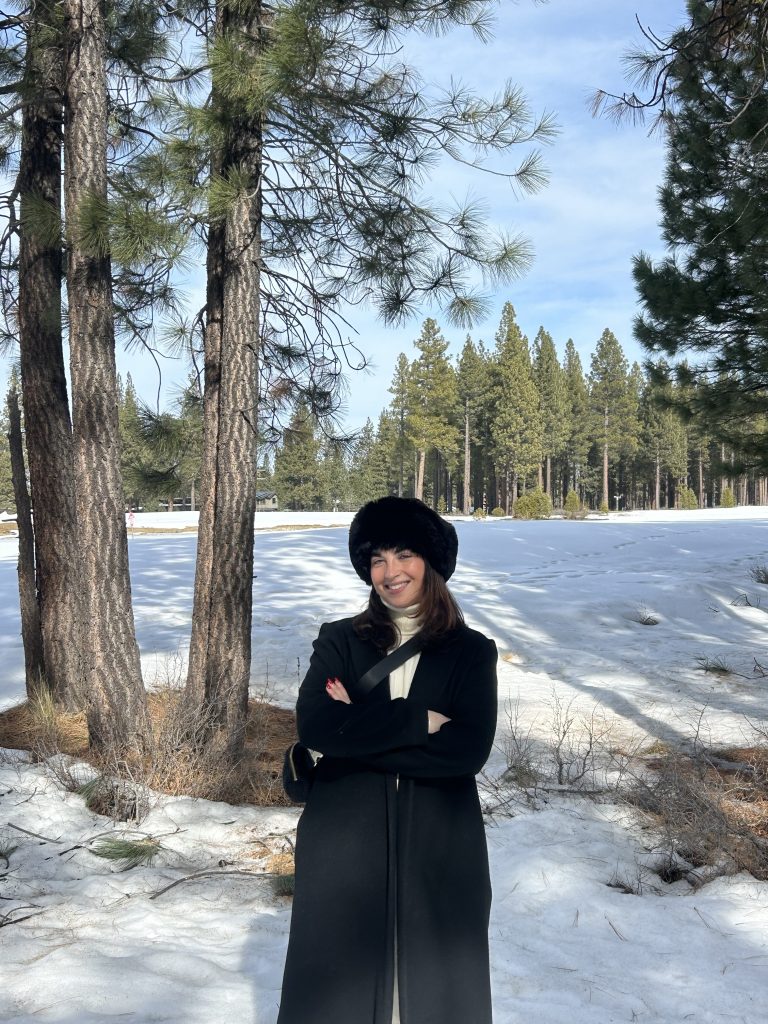
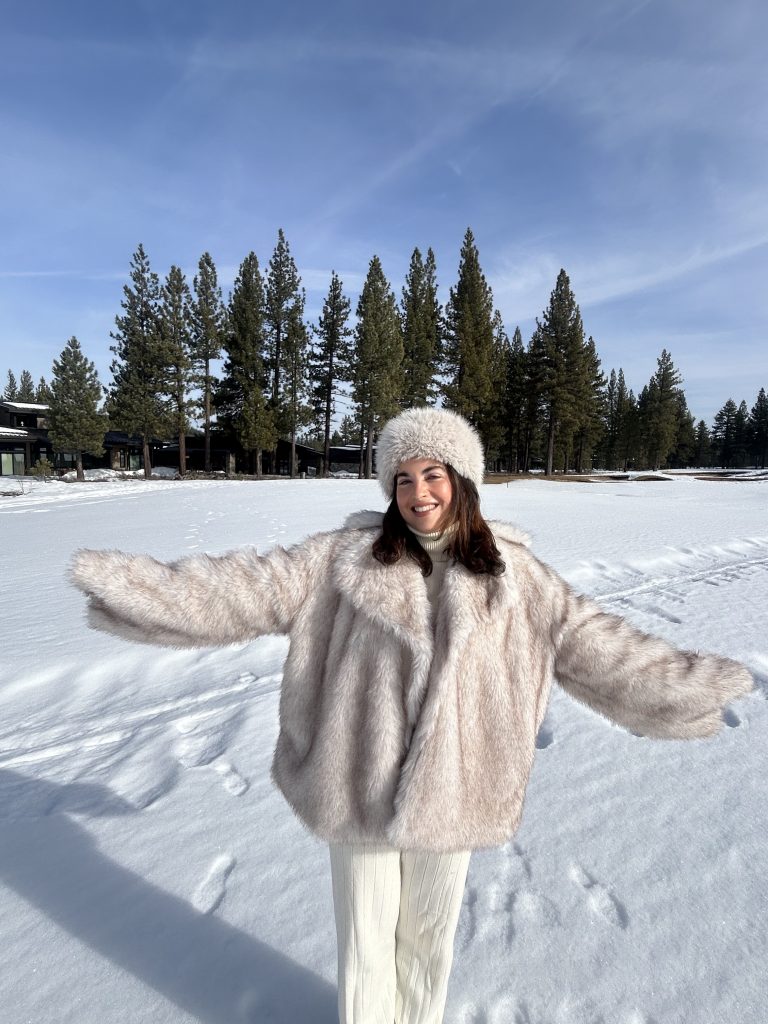
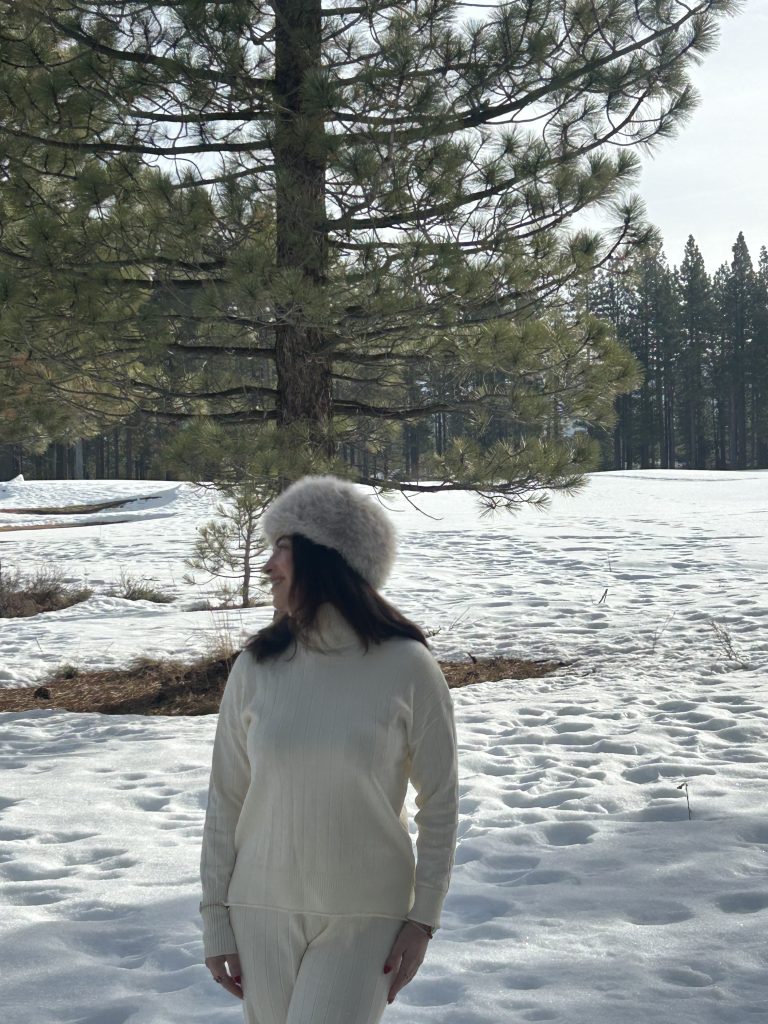
What draws me to mountain dressing is the way it combines comfort and elegance without feeling forced. In many ways, it represents a different approach to fashion. The goal is not to appear polished at all costs, but to dress appropriately for the environment while still maintaining a sense of personal style.
During this trip, I found myself returning repeatedly to the same elements: oversized outerwear, faux fur hats, turtlenecks, soft knits, neutral colors, and heavier textures. These pieces felt entirely at home against the landscape. Snow, pine trees, wooden cabins, and mountain lakes naturally complement the kinds of fabrics and silhouettes that winter dressing tends to favor.
What I find particularly interesting about these references is that mountain style has remained remarkably consistent over time. Looking at photographs from St. Moritz in the 1950s and 1960s, ski holidays in Cortina d’Ampezzo, or winter weekends around Lake Tahoe decades ago, many of the same elements appear repeatedly: oversized outerwear, knitwear, fur and shearling details, sturdy boots, tailored trousers, and neutral color palettes. While trends come and go, mountain dressing seems less concerned with novelty and more connected to function, climate, and tradition. Perhaps this is why the aesthetic continues to return every winter. It represents a particular vision of seasonal living, one built around snowy landscapes, wooden lodges, long evenings by the fireplace, and time spent outdoors. The appeal is not only in the clothing itself, but in the atmosphere surrounding it. A heavy coat, a turtleneck, or a fur hat often evoke something larger than fashion: the experience of winter travel, mountain towns, and the rituals that accompany colder months.
Lake Tahoe and Truckee carry some of that same character. Although very different from the Alpine resorts that often inspire mountain style, they share many of the qualities that make this way of dressing feel natural. Snow-covered forests, lakeside views, ski culture, and slower winter weekends create an environment where practicality and elegance coexist comfortably. In many ways, the landscape itself becomes part of the aesthetic.
What I appreciate most is that mountain style rewards repetition. A well-loved coat, a favorite sweater, a familiar pair of boots, these pieces return season after season without feeling outdated. In a fashion culture often focused on constant novelty, there is something refreshing about a style built around practicality, longevity, and familiarity.
Perhaps that is why mountain dressing continues to return every winter. It offers a version of elegance that feels relaxed rather than performative, rooted in place rather than trends, and shaped as much by the landscape as by the clothes themselves.