Located in a former industrial building in Milan, Armani/Silos is both a museum and an archive dedicated to the work of Giorgio Armani. Opened in 2015 to coincide with the fortieth anniversary of the Armani brand, the space was conceived as a place where fashion could be experienced slowly and thoughtfully, away from the pace of seasonal collections and fashion weeks. Rather than presenting garments chronologically, the exhibitions are organized around themes, materials, colors, and ideas, encouraging visitors to focus on craftsmanship, silhouette, and design.
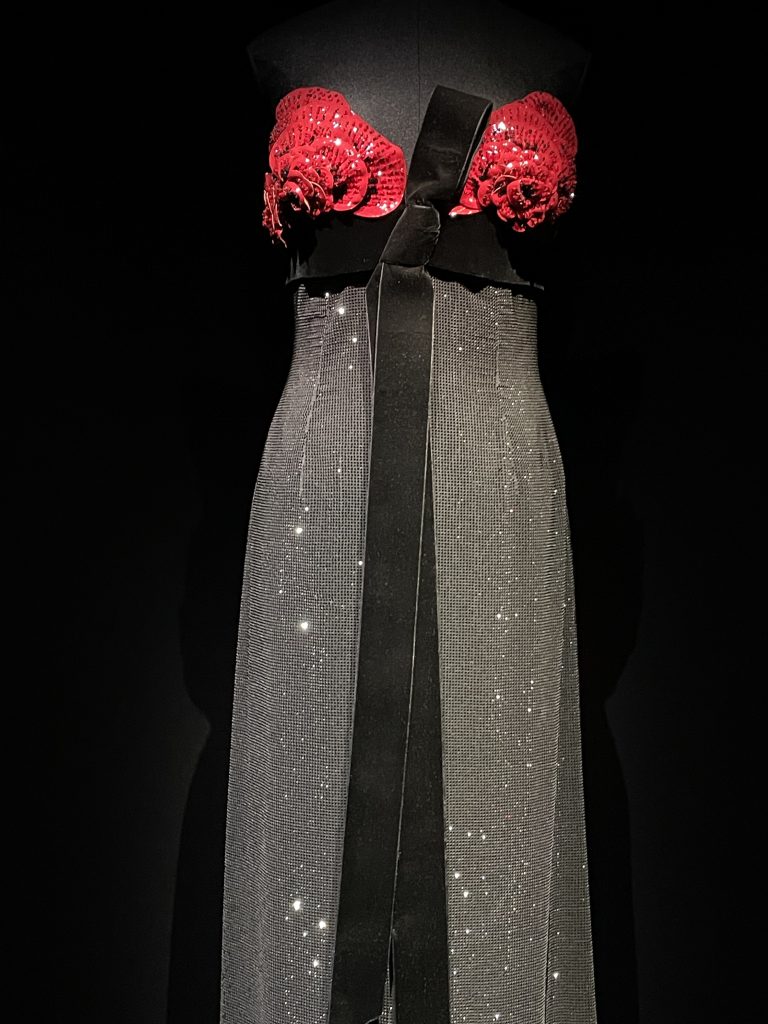
The exhibition dedicated to Giorgio Armani Privé celebrates twenty years of the designer’s couture line, tracing its evolution from 2005 to the present. Through evening gowns, embroidery, tailoring, and accessories, the exhibition highlights Armani’s distinctive approach to luxury: one rooted in restraint, precision, and timelessness rather than spectacle.
Growing up in Milan, Armani was never simply a fashion designer. His influence could be felt throughout the city, from the way people dressed to broader ideas about elegance and refinement. His work became synonymous with a particular vision of Italian style, one defined not by excess, but by confidence, simplicity, and attention to detail.
Walking through Armani/Silos, what becomes apparent is how consistent that vision has remained. Across decades of work, the garments feel connected by a shared language of proportion, craftsmanship, and understated sophistication. Even the most elaborate couture pieces maintain a sense of balance and restraint, revealing a designer less interested in trends than in creating clothing designed to endure.
The photographs collected here document a visit to the exhibition and some of the pieces that stood out most. Together they offer a glimpse into a body of work that continues to shape conversations about luxury, elegance, and the relationship between fashion and design.
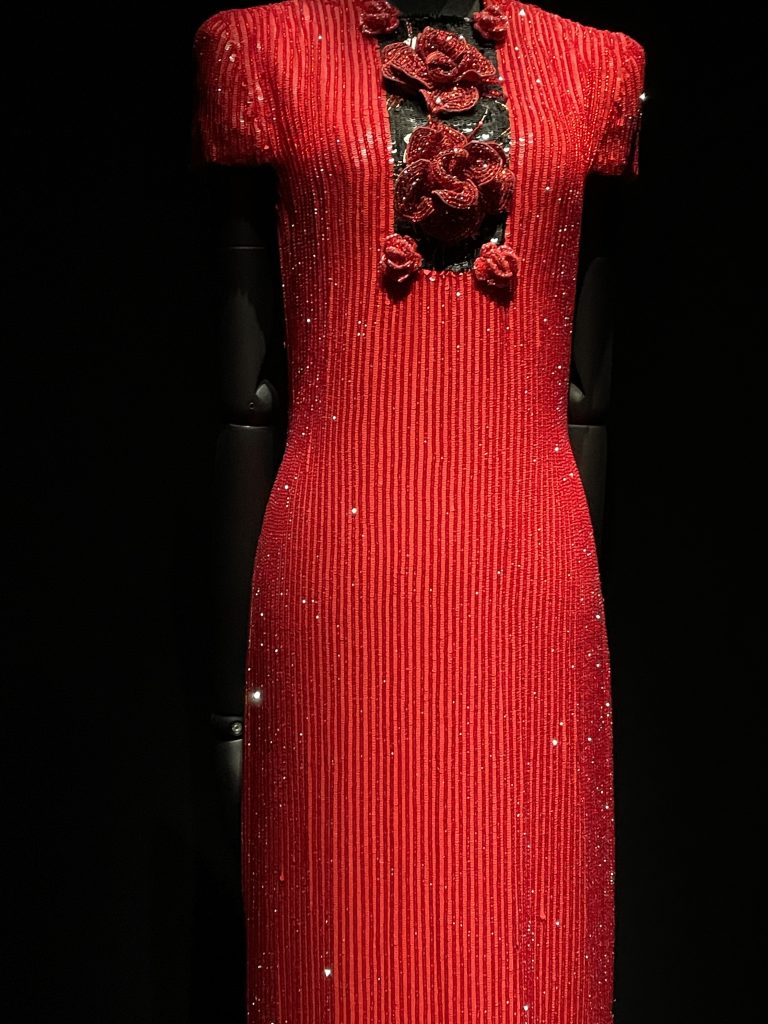
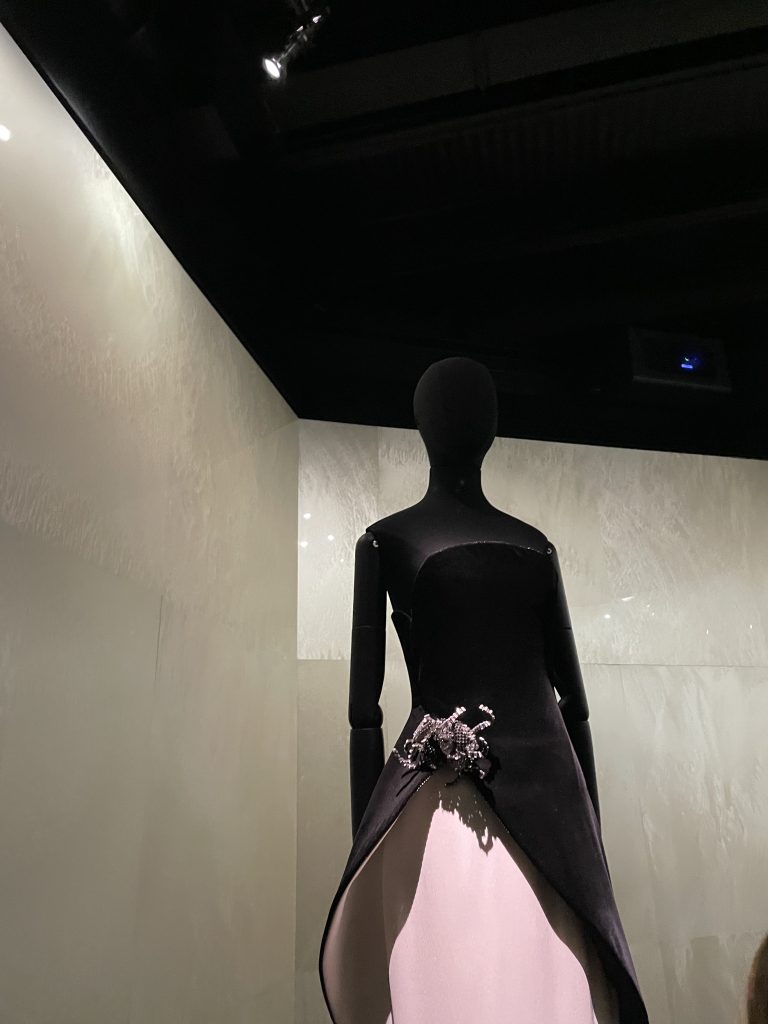
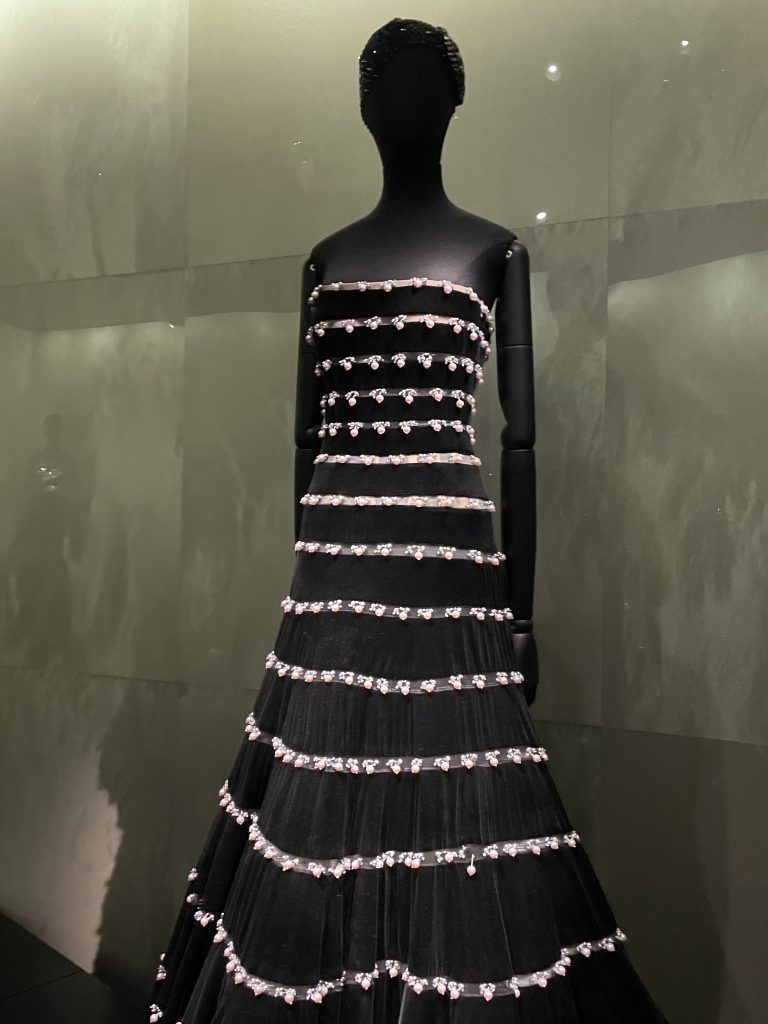
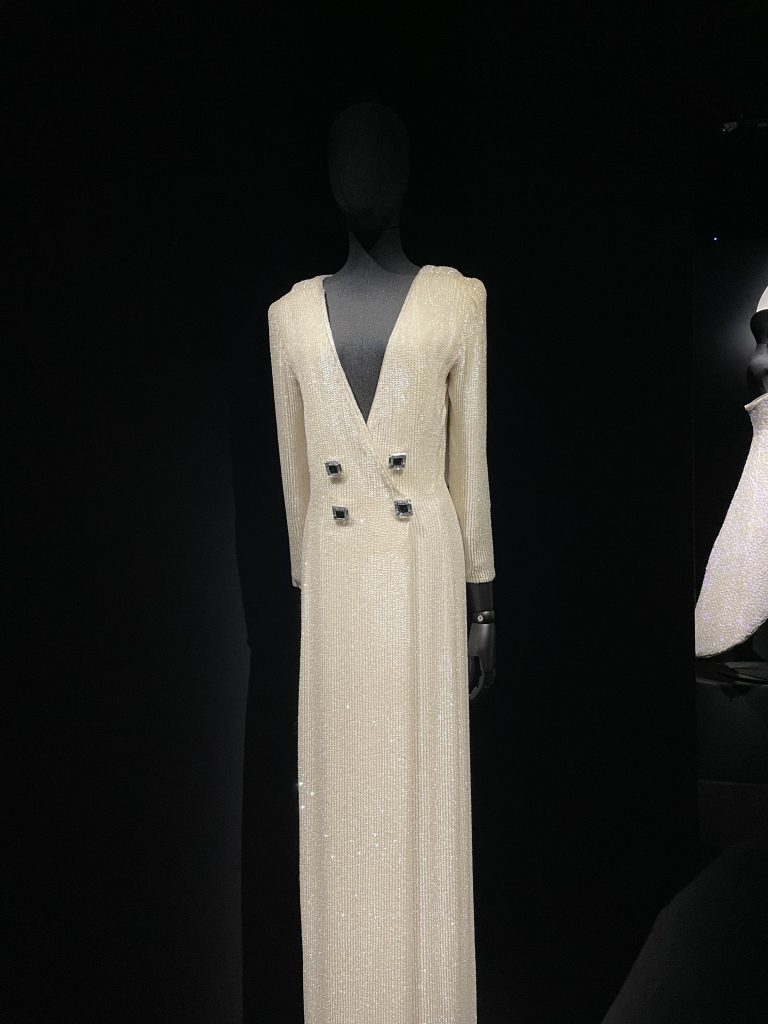
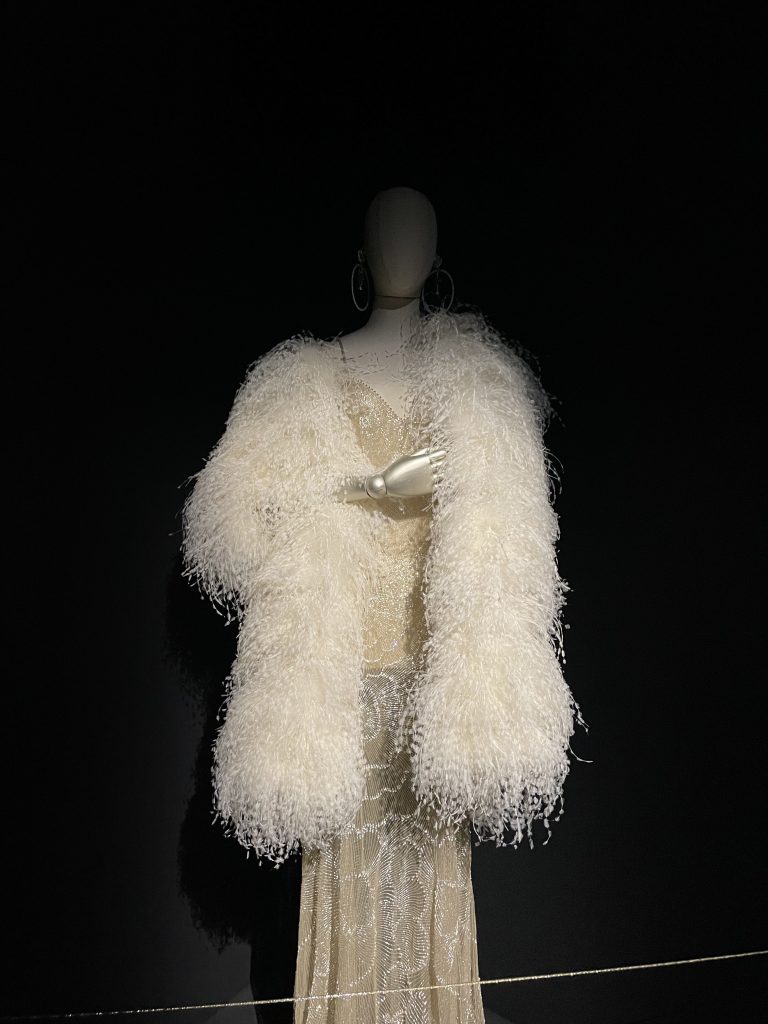
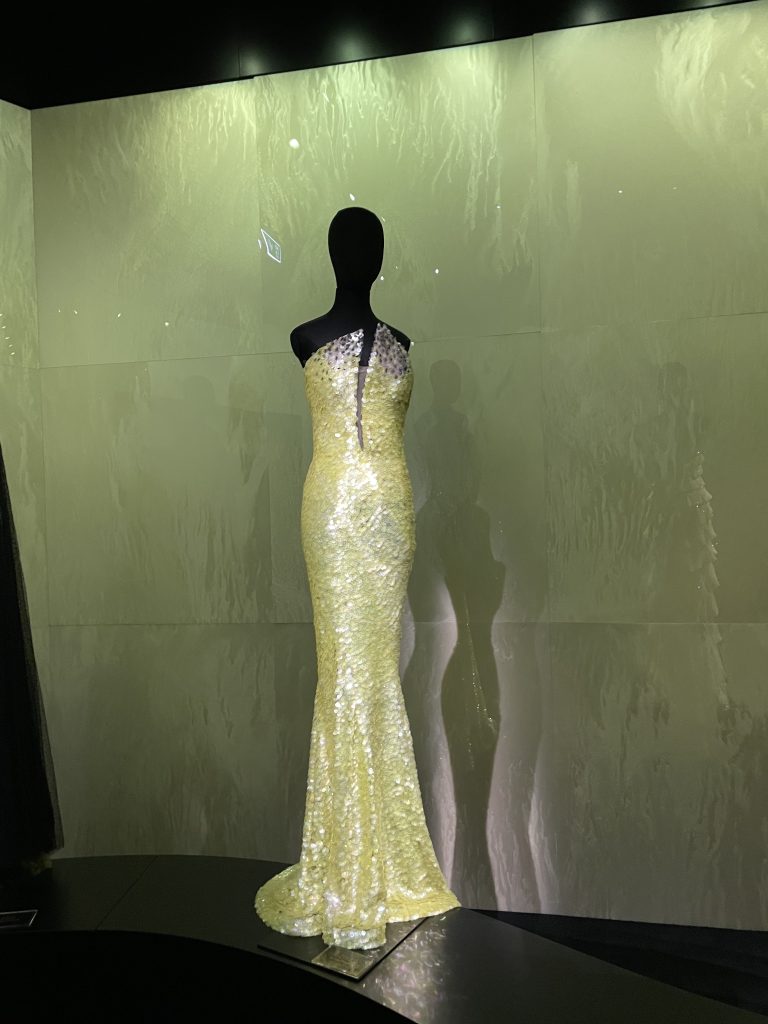
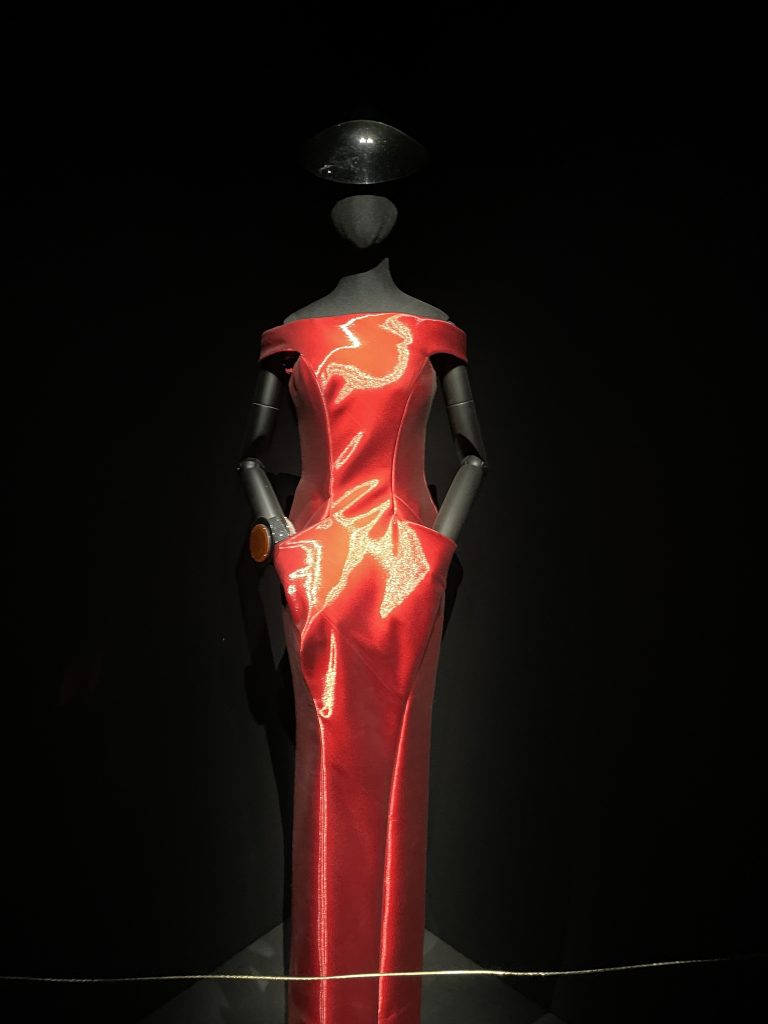
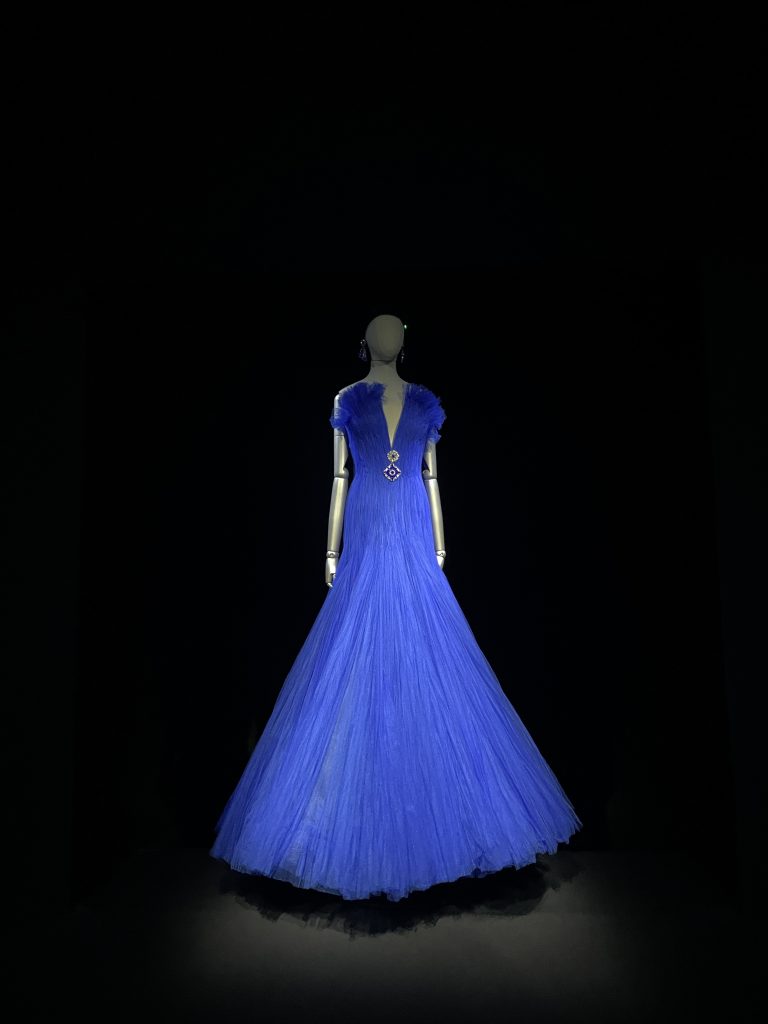
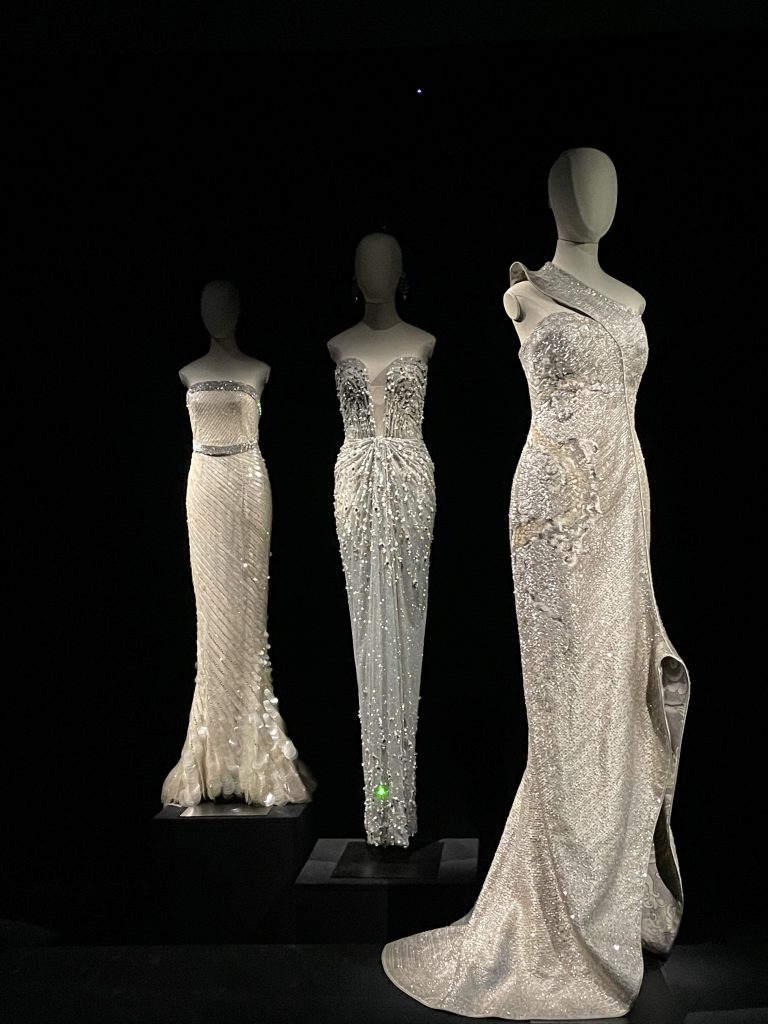
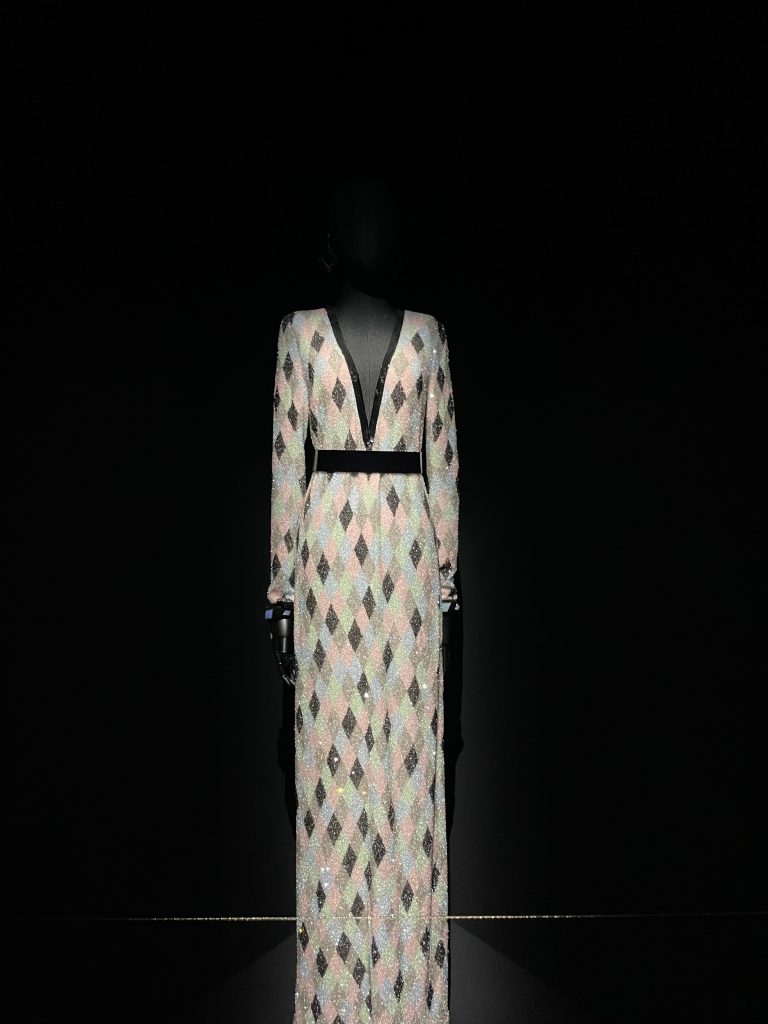
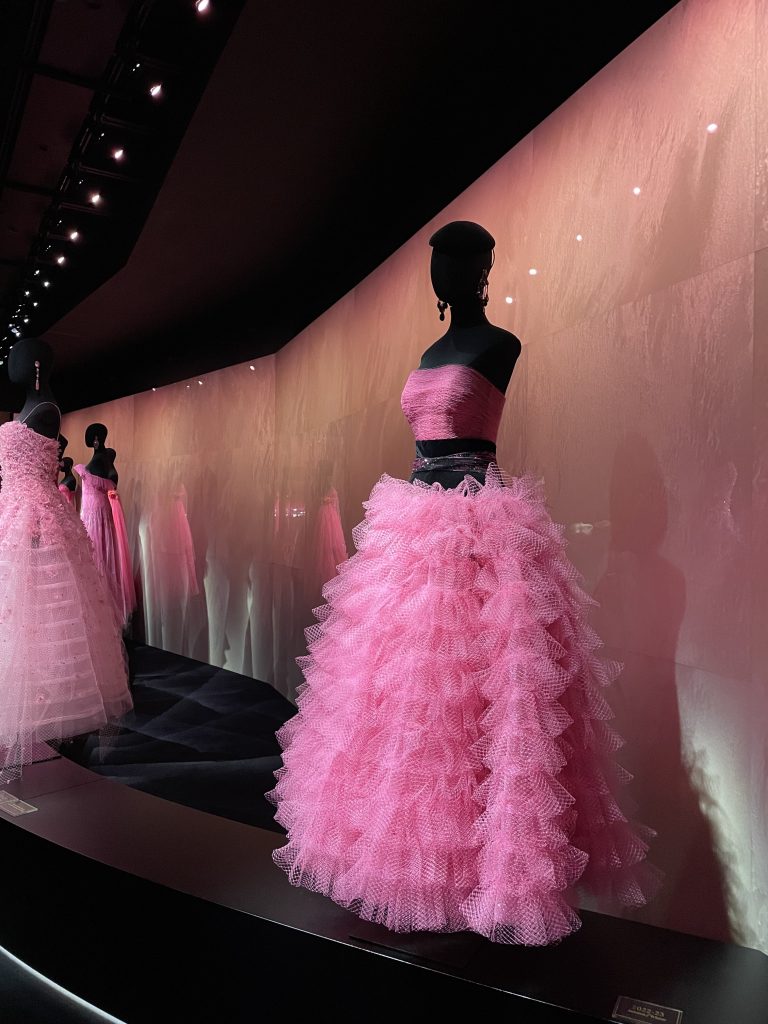
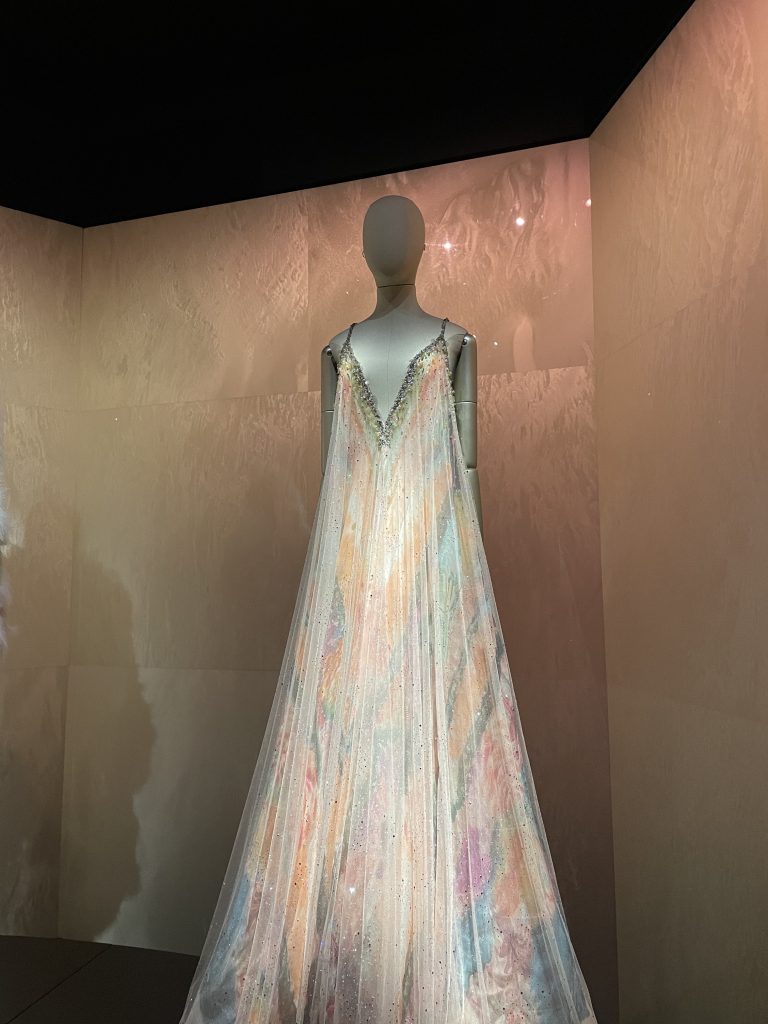
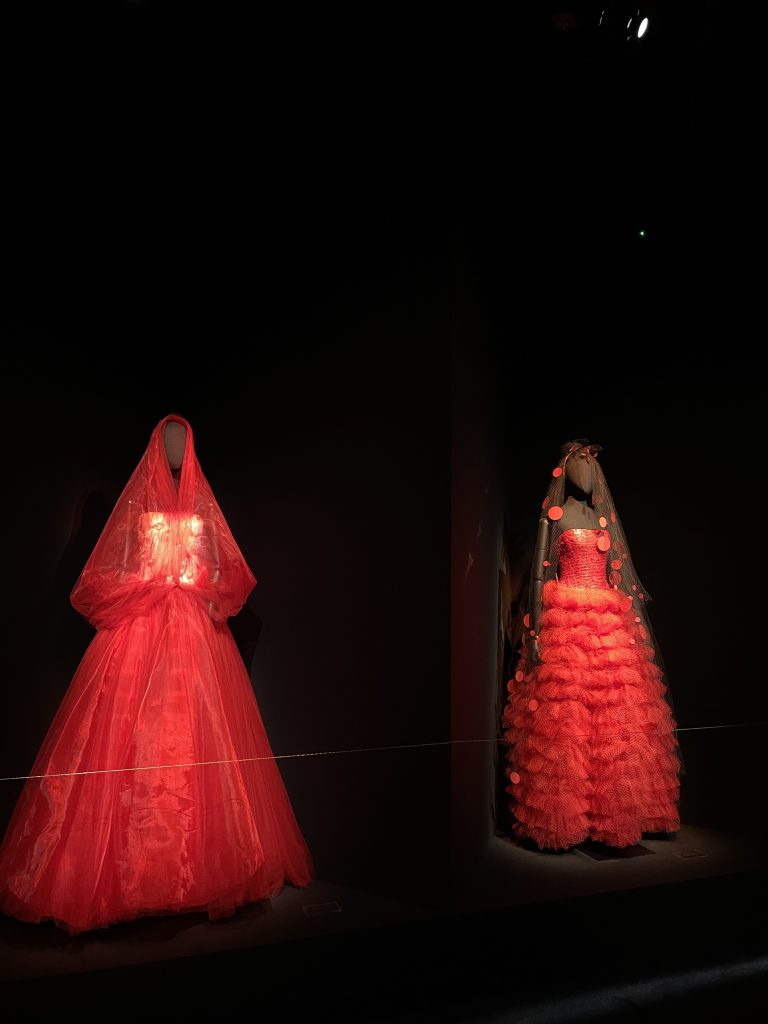
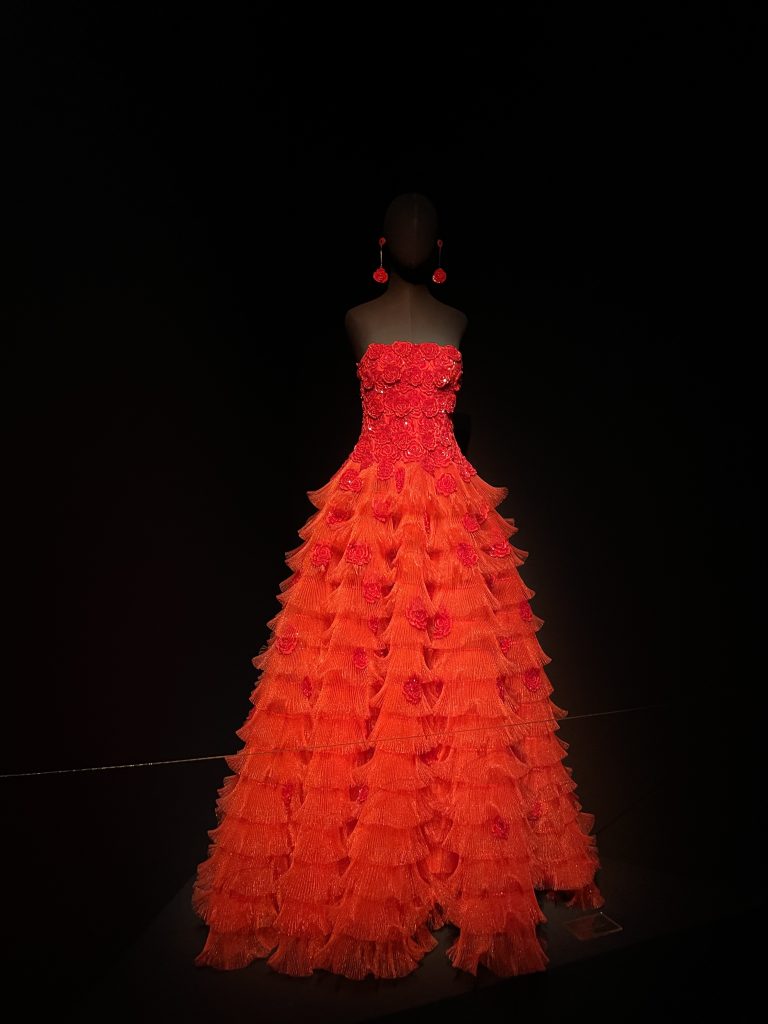
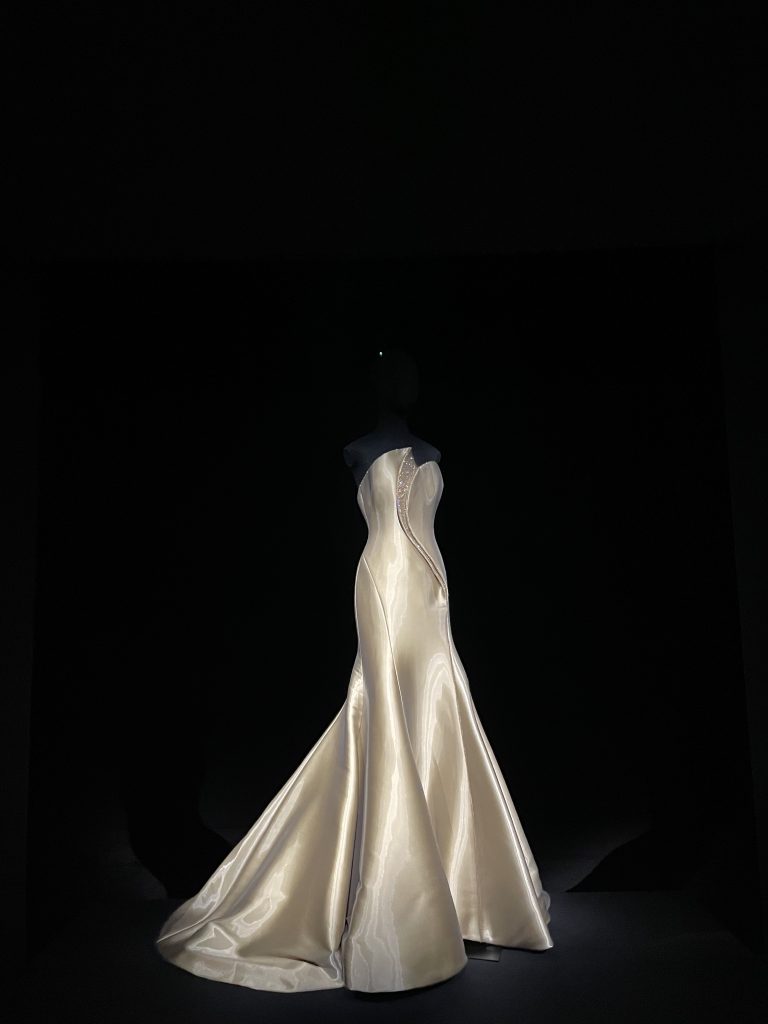
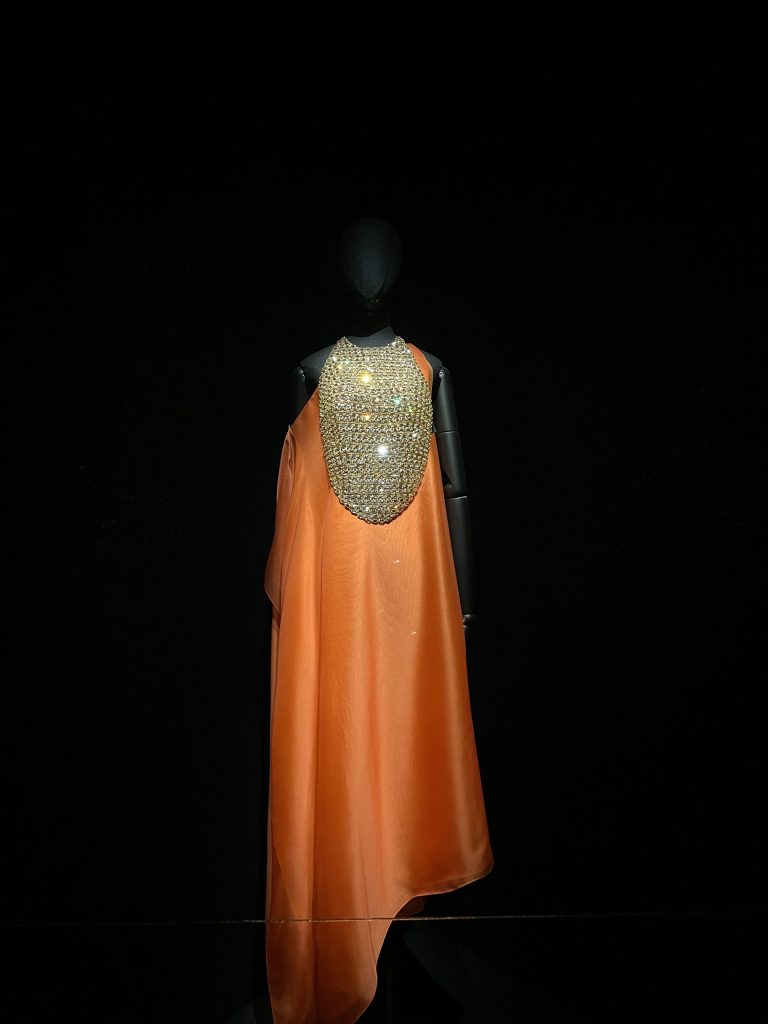
Growing up in Milan, Giorgio Armani was simply part of the cultural landscape. His name appeared everywhere, but what stayed with me most was not the visibility of the brand itself. It was the particular idea of elegance that his work represented. Even before I became interested in fashion, I associated Armani with a kind of quiet confidence, an approach to style that felt measured, refined, and intentionally understated.
What has always drawn me to Giorgio Armani’s work is the way it stays quiet. His idea of luxury is not about being seen or recognized, but about feeling right over time. The clothes do not rely on logos or obvious signals. Instead, they are built on proportion, fabric, craftsmanship, and care, pieces meant to be worn often and to last.
In a world where fashion increasingly rewards visibility and constant novelty, this approach feels more relevant than ever. Armani’s work reminds us that elegance does not require excess. Some of the most memorable pieces in the exhibition are not necessarily the most dramatic, but the ones that reveal extraordinary attention to detail, construction, and material.
Walking through Armani/Silos, this philosophy becomes tangible. The garments feel calm and self-contained, confident without needing to impress. Moving through the galleries, I found myself paying closer attention to silhouettes, textures, embroidery, and tailoring. The exhibition encourages a slower way of looking, one that mirrors Armani’s broader approach to design. What I appreciate most is that this way of thinking extends beyond clothing. It offers a different perspective on consumption itself. Rather than encouraging constant replacement, it suggests the value of choosing carefully, investing in quality, and developing a personal sense of style over time. In many ways, it is less about fashion and more about intention.
For me, Armani’s work represents a vision of elegance that feels increasingly rare. It is not built on visibility, status, or performance, but on consistency, restraint, and confidence. Leaving the exhibition, I was reminded that some of the most enduring forms of beauty are often the quietest ones.