On crossing to Bonifacio, shared Mediterranean history, and returning to an island that has become part of every summer.
Every summer, while vacationing at our family home in northern Sardinia, I am reminded of how closely connected the island is to Corsica. On clear days, Corsica is visible from parts of the coastline, and it’s not unusual for my phone to briefly switch to a French network even though I’m still in Italy. Throughout the summer, ferries run regularly between Santa Teresa di Gallura and Bonifacio, and crossing to Corsica for the day or for a short stay is something many people do. Although Corsica belongs to France today, its proximity to Sardinia and Italy has always made me curious about the island and its history.
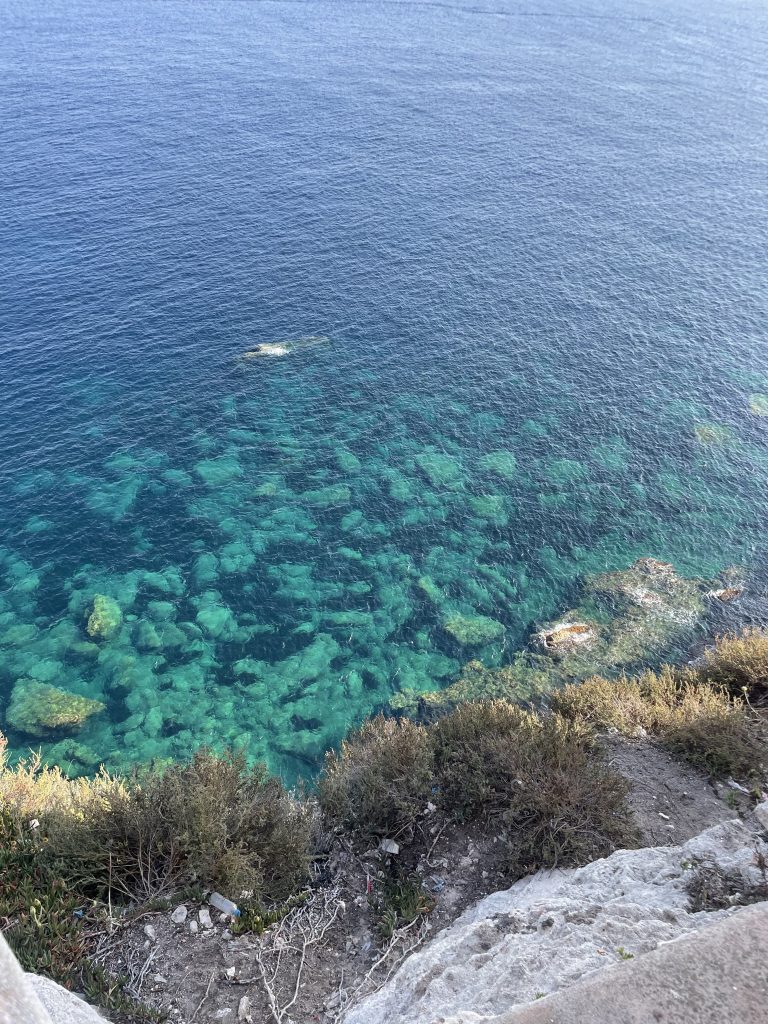
I first visited Corsica as a child during a Mediterranean cruise, but I didn’t return until years later after my family bought a summer home in northern Sardinia. Since then, I have visited a couple of times as an adult, each time arriving in Bonifacio before exploring other parts of southern Corsica, including Porto-Vecchio and Santa Giulia. After those visits, I found myself asking: why does Corsica feel so distinct from Sardinia while still sharing so many similarities with it?
Corsica has occupied an important position in the Mediterranean for thousands of years. The Greeks called the island Kalliste, meaning “the most beautiful,” while the Romans later incorporated Corsica and Sardinia into the same province after the First Punic War. Its location between mainland Italy, southern France, and Spain meant that control of the island changed repeatedly over the centuries. Greeks, Romans, Vandals, Byzantines, Lombards, Franks, Pisans, and Genoese all left their mark before Corsica eventually became part of France in the eighteenth century.
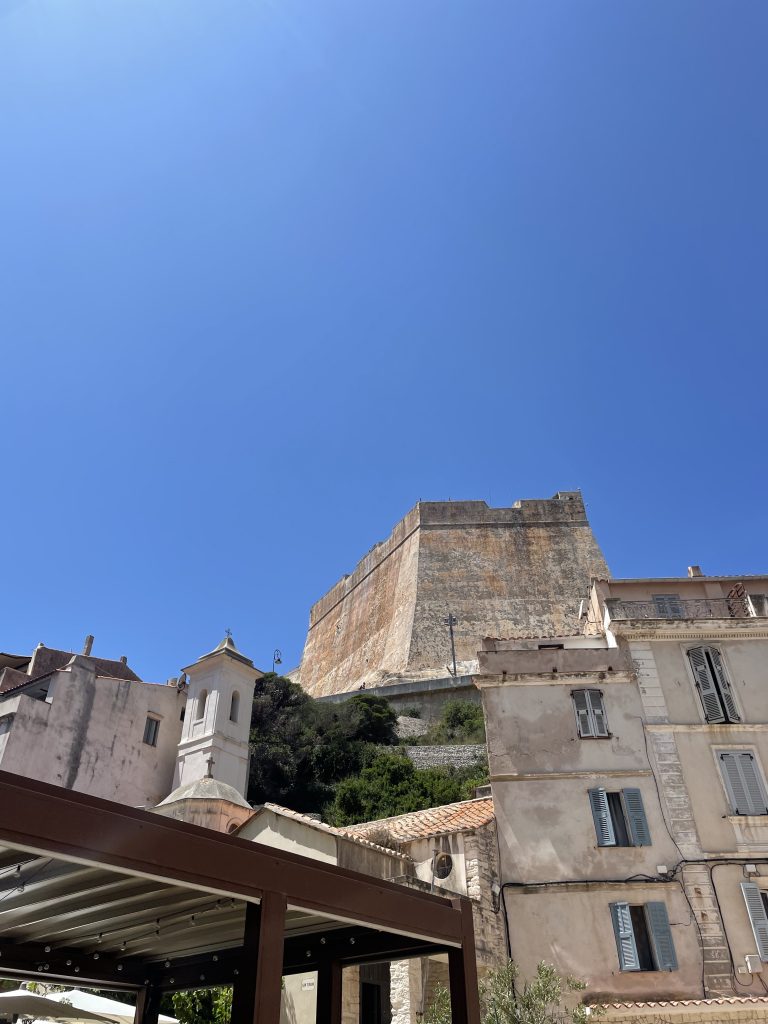
Among these periods, Pisan and Genoese rule probably explain why parts of Corsica still feel surprisingly familiar to many Italians today. Beginning in the eleventh century, Pisa administered the island for almost two centuries before Genoa gradually assumed control, governing Corsica for nearly five hundred years. During that time, towns were fortified, churches were built, and the Corsican language evolved alongside Tuscan dialects. Even today, walking through Bonifacio, it is easy to recognize architectural and linguistic influences that reflect those centuries of Italian rule.
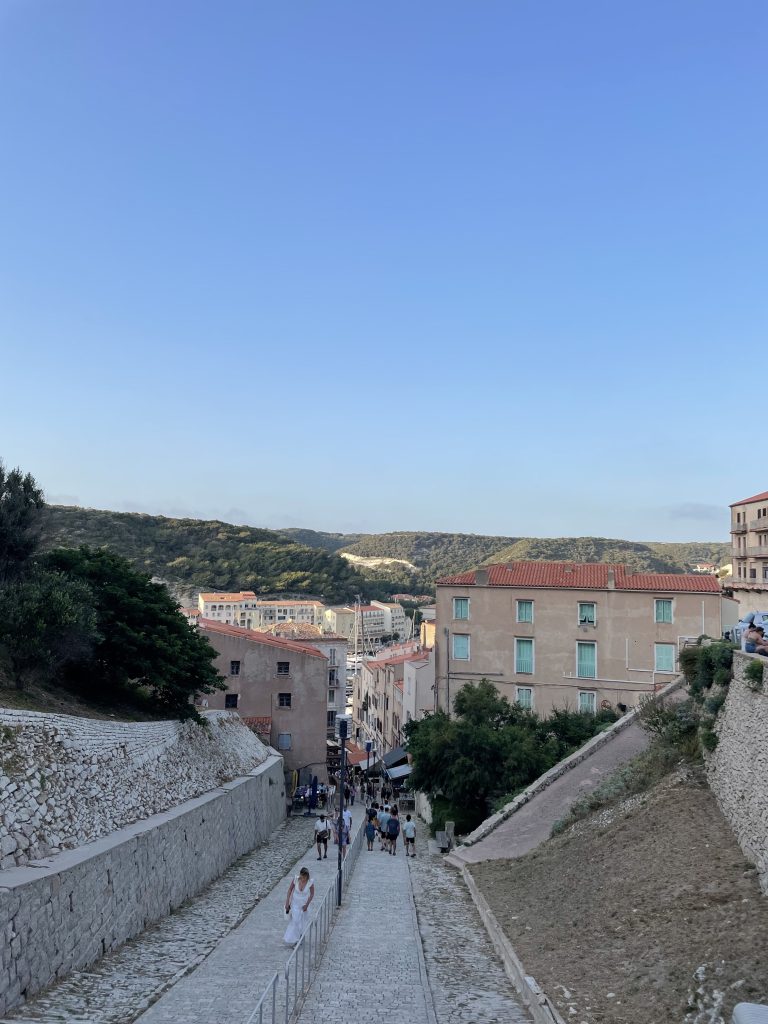
Although Corsica is unmistakably French today, it also feels distinctly Mediterranean in a way that goes beyond national borders. During my visits, I was surprised by how often I heard Italian being spoken, not only by visitors arriving from Sardinia or mainland Italy, but also by restaurant staff and local residents who spoke Italian with ease. The food, the pace of life, and even parts of the landscape often felt familiar, despite the island having developed its own unique identity over centuries.
At the same time, Corsica is very different from Sardinia.
One of the first things I noticed was the landscape. While both islands are known for their beaches and crystal-clear water, Corsica feels much more mountainous. Driving through the island with my family, I was struck by how much wilder it felt at times. Although Sardinia is also known for its rugged and untamed landscapes, there were stretches of road where we lost our phone signal completely, and we even got lost a couple of times while driving through the mountains. It all added to the feeling that Corsica is a little more remote and untamed than its neighboring island. Villages are often small and isolated, surrounded by forests and the dense Mediterranean vegetation known as maquis. Many writers describe Corsica as rugged or untamed, and after visiting, it is easy to understand why.
The island’s geography has influenced its history just as much as politics has. Mountainous terrain made communication between communities more difficult and contributed to the development of strong regional identities. During Genoese rule, dozens of watchtowers were built along the coast to protect against pirate attacks, while many communities continued to develop inland. Even today, Corsica often feels less urbanized than many Mediterranean destinations, something that gives it much of its character.

Corsican identity was also shaped by a long history of resistance. In 1755, Pasquale Paoli established the Corsican Republic after leading a successful revolt against Genoese rule. Although the republic lasted only a few years before France took control of the island, Paoli remains one of Corsica’s most important historical figures and continues to symbolize the island’s desire for self-government. Only a few years later, Napoleon Bonaparte was born in Ajaccio, making Corsica known around the world for a very different reason.
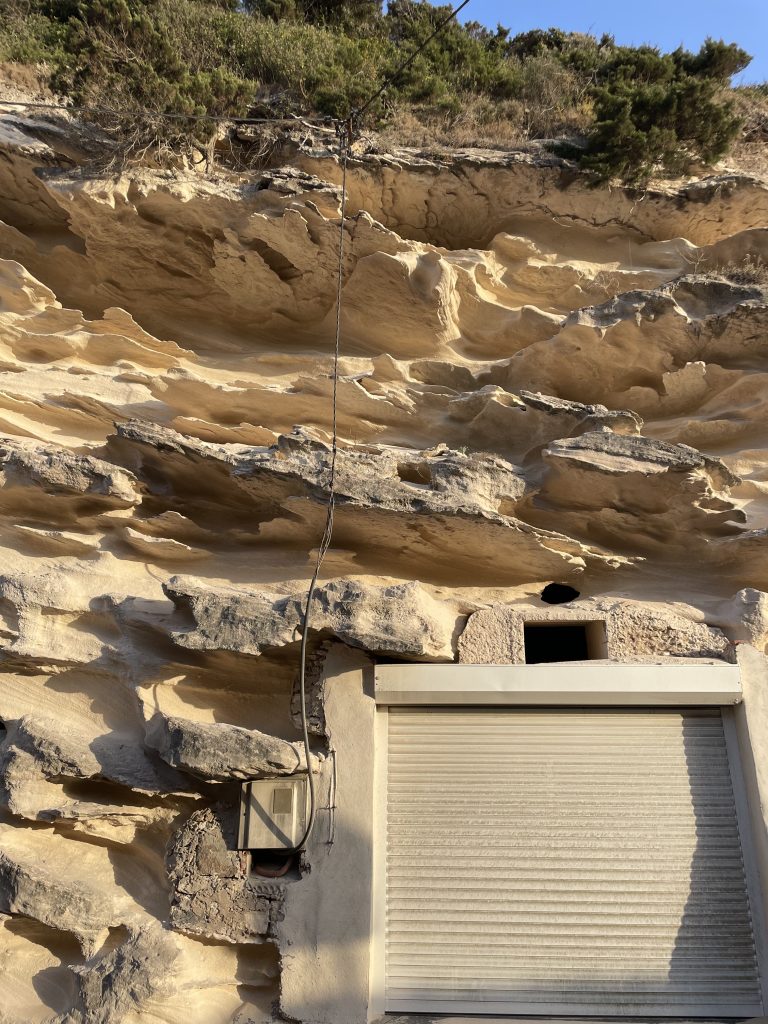
During my visits, Bonifacio naturally became my main point of reference for understanding Corsica. Built on limestone cliffs overlooking the Strait of Bonifacio, its historic center still reflects its Genoese origins. It is also one of the places where the relationship between Sardinia and Corsica feels most tangible. Looking across the strait, it is easy to understand why these two islands have influenced one another for centuries while developing such distinct identities.

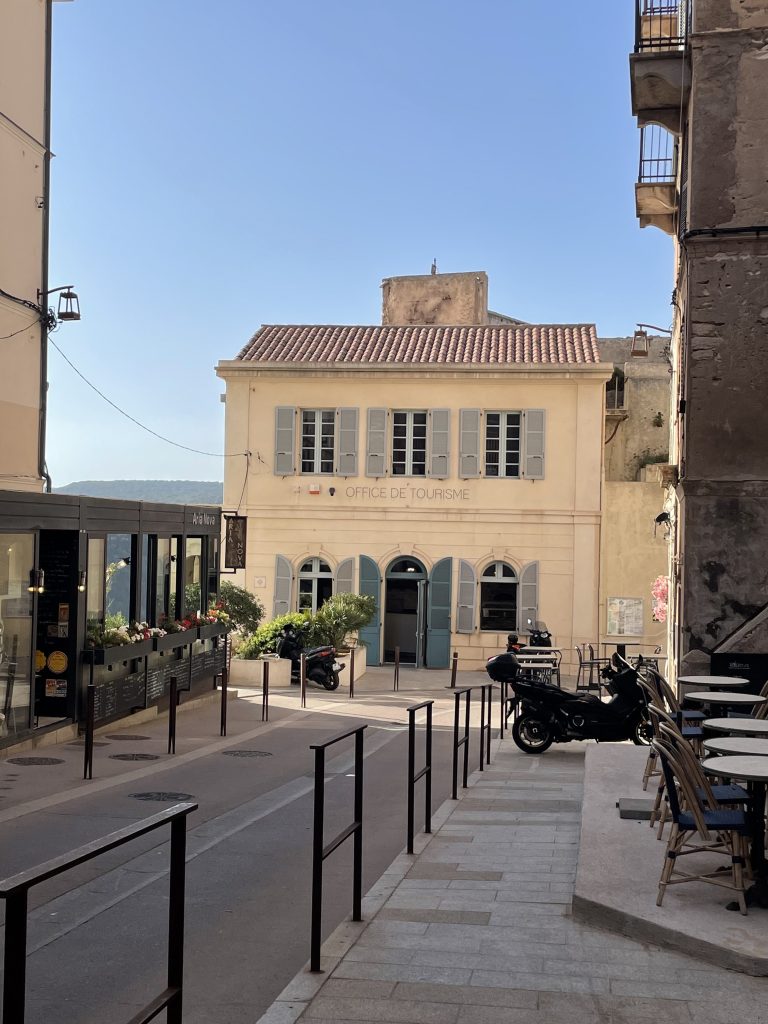
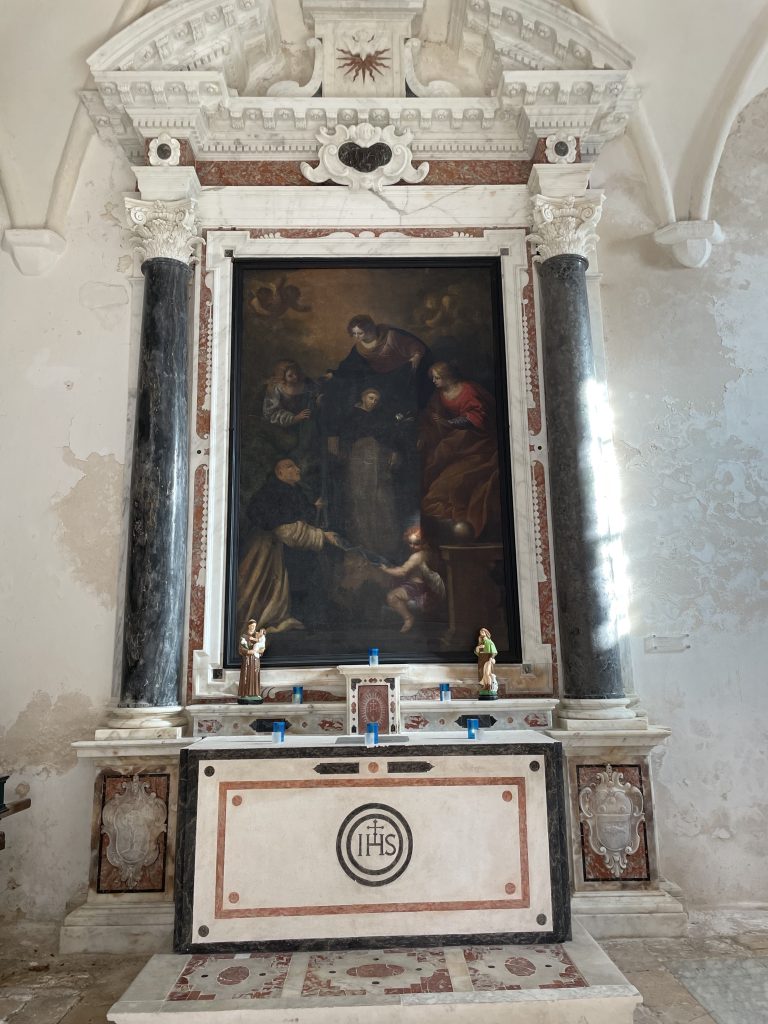
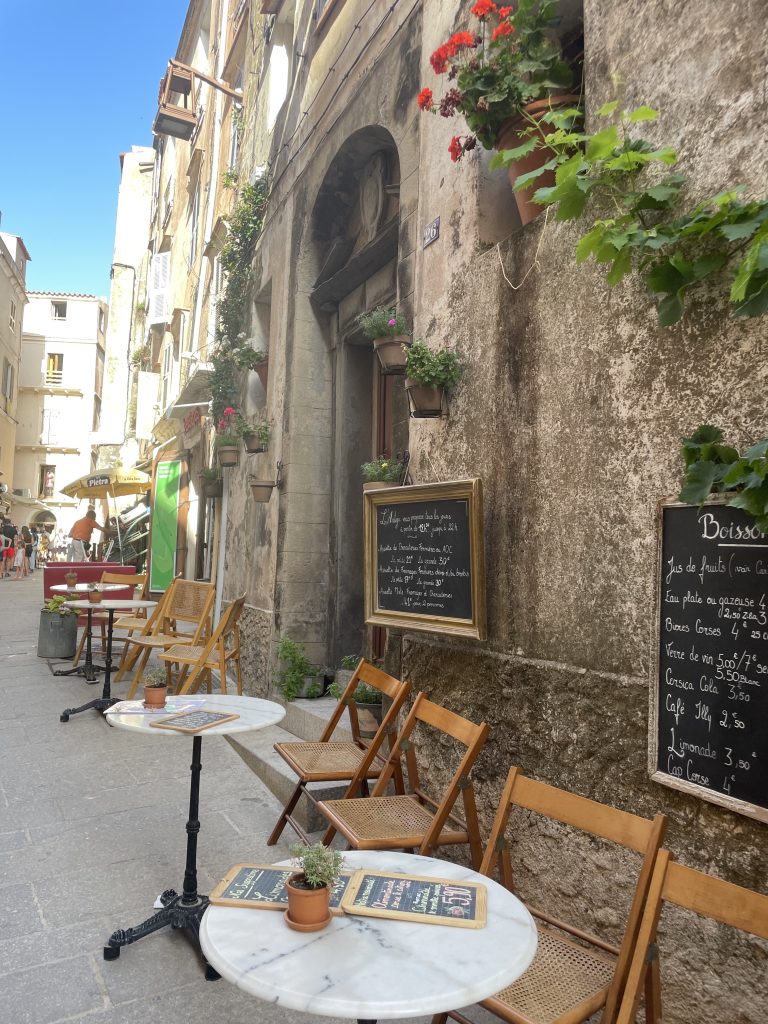
I also spent time in Porto-Vecchio and Santa Giulia, which showed me another side of southern Corsica. While Bonifacio is closely tied to the island’s history, Porto-Vecchio feels more contemporary, and Santa Giulia is known for some of the clearest water in the Mediterranean. However, I still feel that I have only seen a small part of the island. Most of my experience has been in the south, and there are many places, including Ajaccio, which I briefly visited as a child, that I would like to explore again with a better understanding of Corsica’s history and culture.
What initially seems like a nearby destination from northern Sardinia is actually a place shaped by centuries of Mediterranean history, where geography, politics, language, and culture all help explain why the island feels both familiar and completely unique.