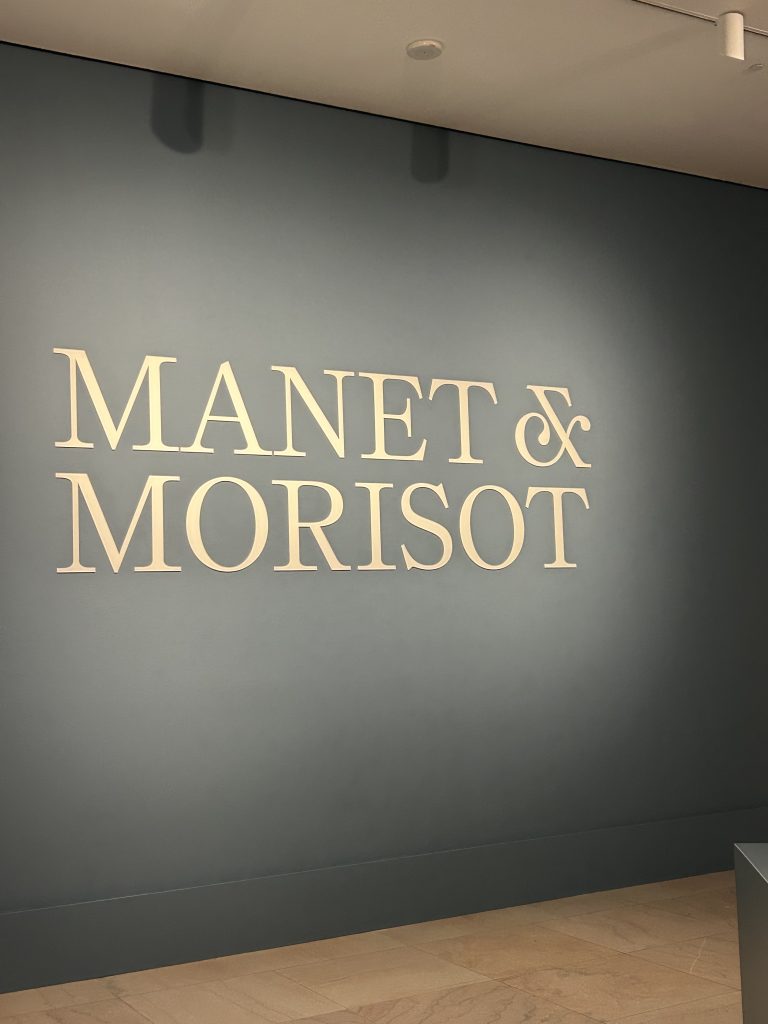
On view at the Legion of Honor from October 11, 2025 to March 1, 2026, Manet & Morisot was the first major exhibition dedicated to the artistic relationship between Édouard Manet and Berthe Morisot. Bringing together paintings, drawings, and archival materials, the exhibition explored fifteen years of friendship, collaboration, and mutual influence between two of the most important figures associated with the emergence of modern painting in nineteenth-century France.
While Manet is often positioned at the center of art historical narratives, Morisot was one of the founding members of the Impressionist movement and one of its most innovative artists. The exhibition offered a welcome reconsideration of their relationship, moving beyond the traditional framework of artist and muse to emphasize artistic exchange, dialogue, and mutual respect. Seen together, their works reveal both shared interests and distinct approaches. Manet’s paintings often feel direct and observational, while Morisot’s work is characterized by remarkable sensitivity, fluid brushwork, and an attentiveness to intimate moments of everyday life. Their paintings speak to one another across the galleries, revealing how artistic ideas develop through conversation, influence, and sustained friendship.
Walking through the exhibition felt less like following two separate careers and more like witnessing an ongoing dialogue. The galleries invited visitors to consider not only the finished paintings, but also the relationships that shape artistic production. What emerged was a portrait of creative companionship, one built on admiration, exchange, and a shared commitment to seeing the world in new ways.
The photographs collected here document an afternoon spent moving slowly through the exhibition, pausing between paintings, interiors, and moments of quiet observation.
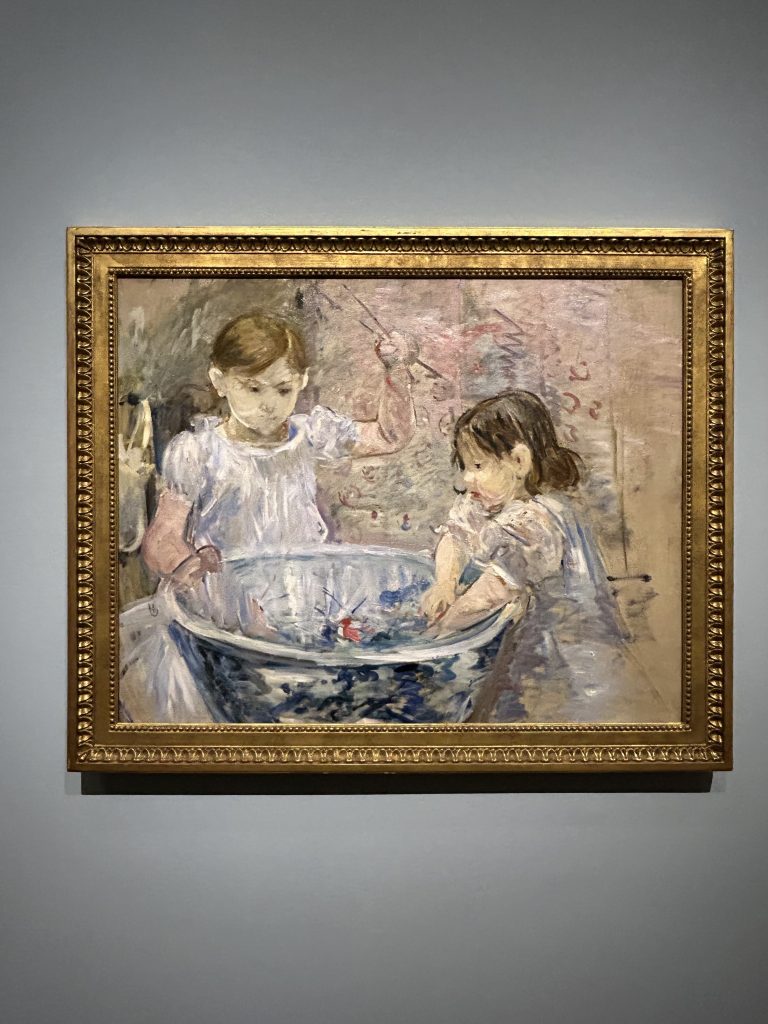
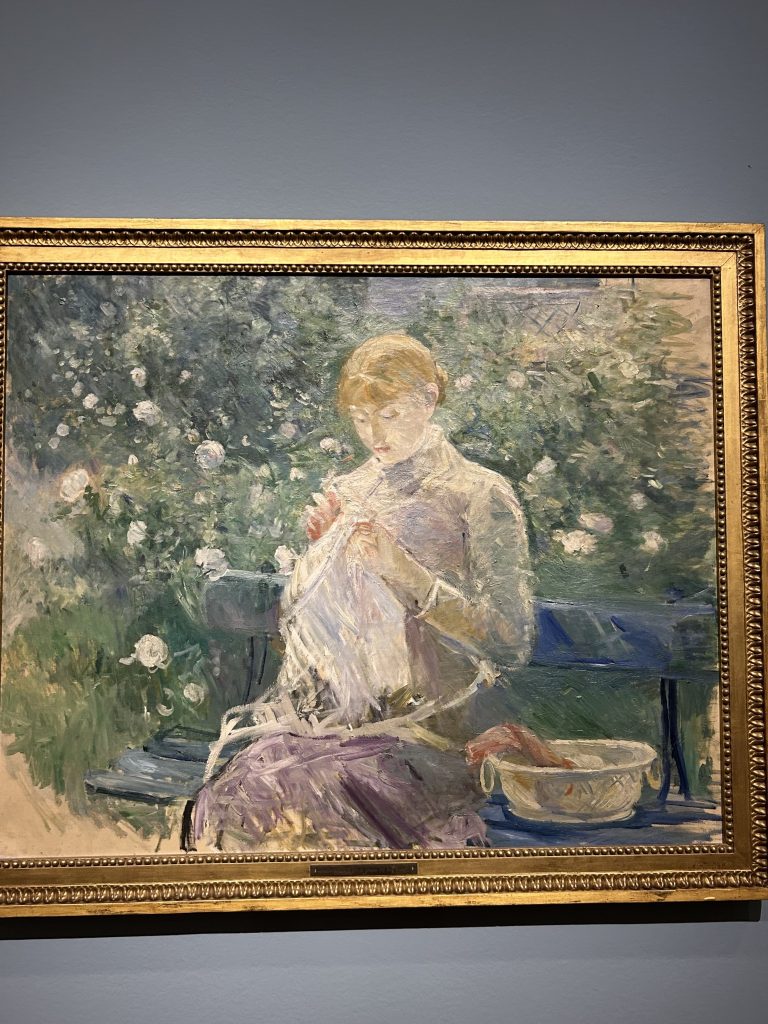
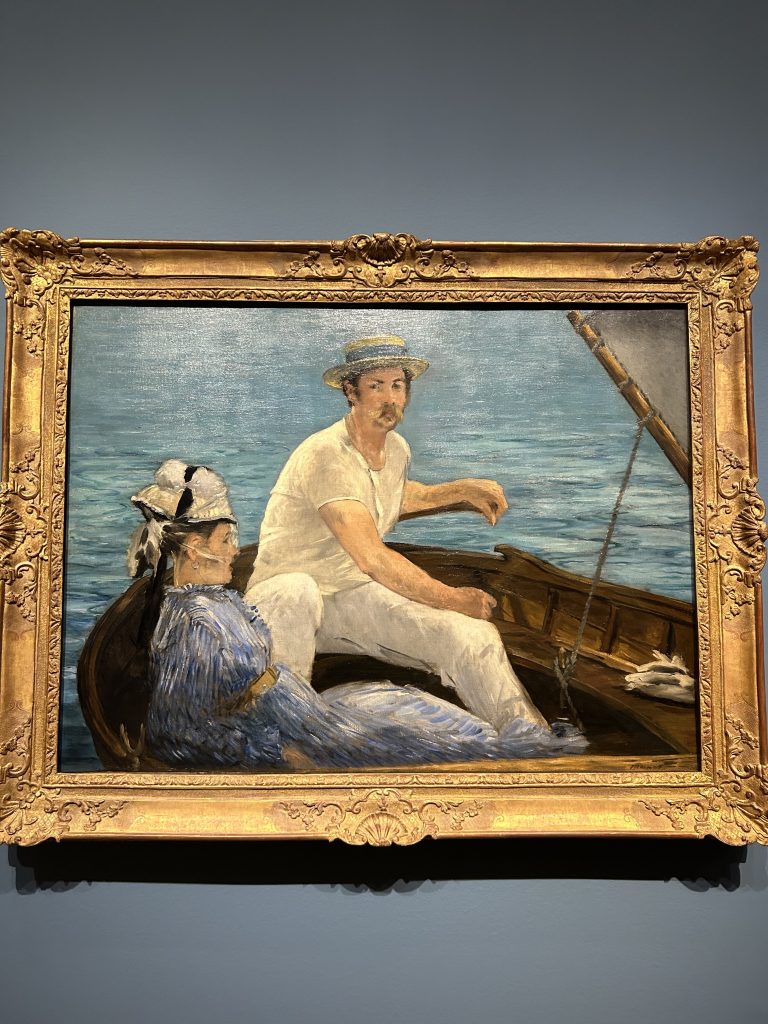
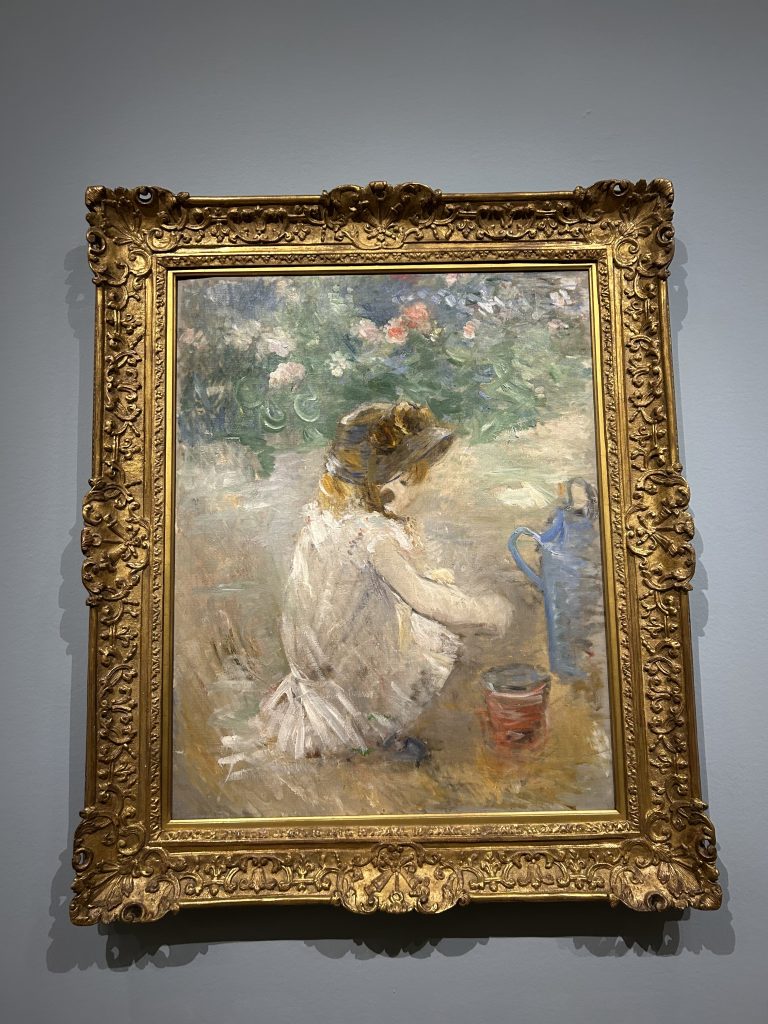
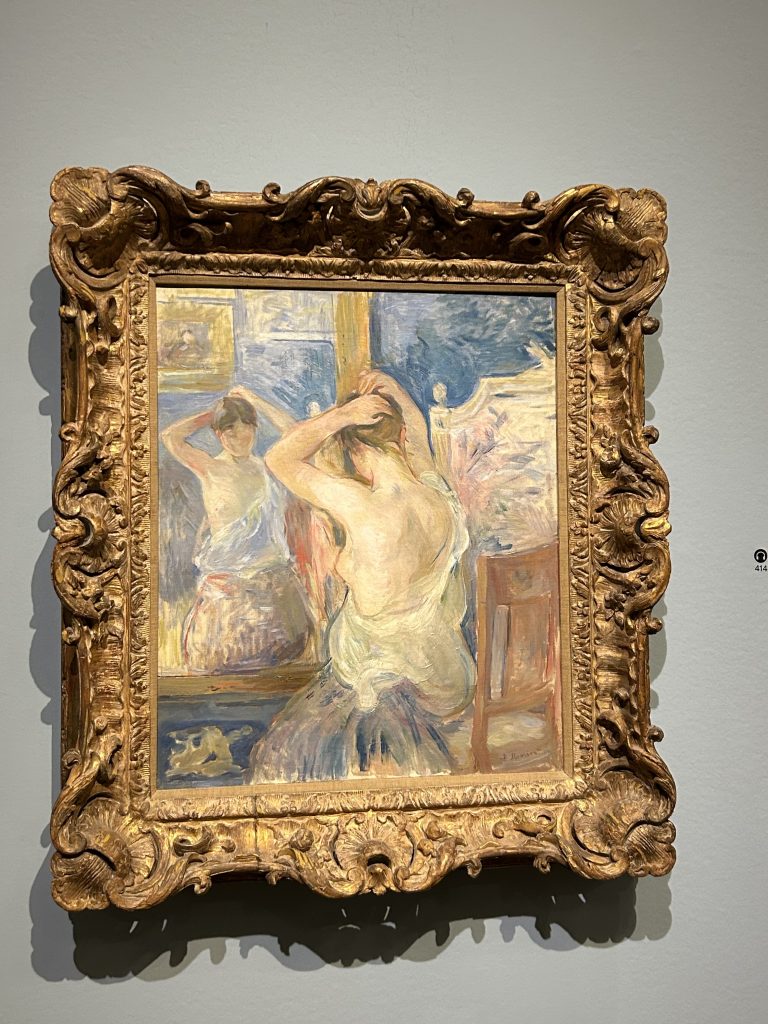
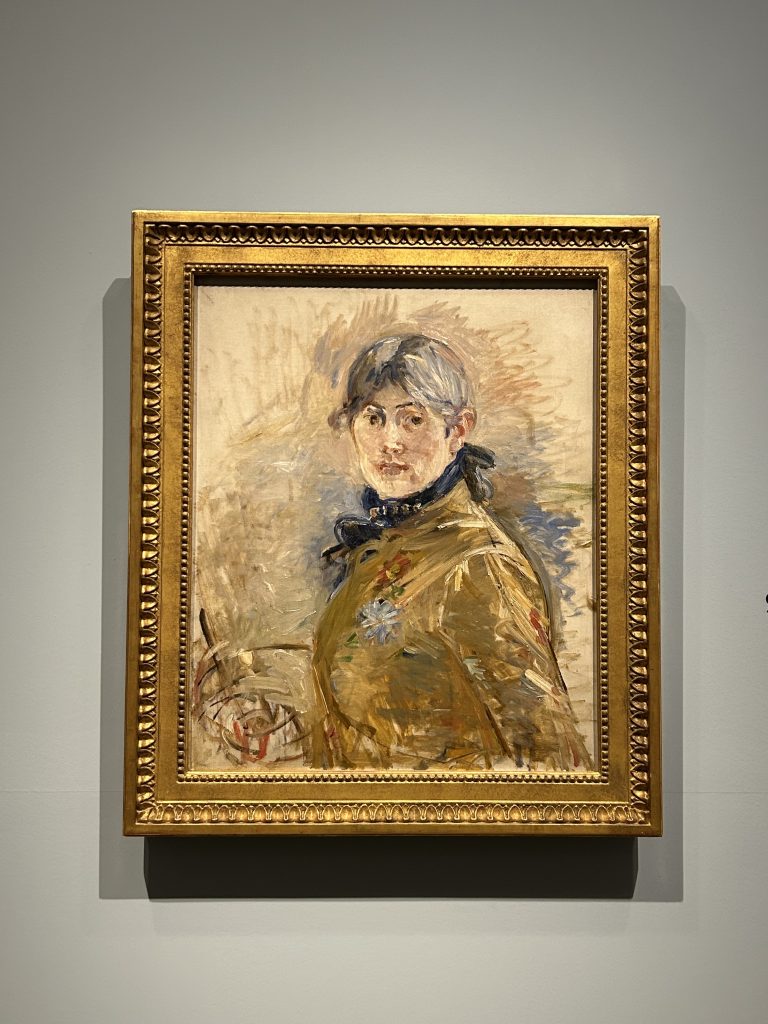
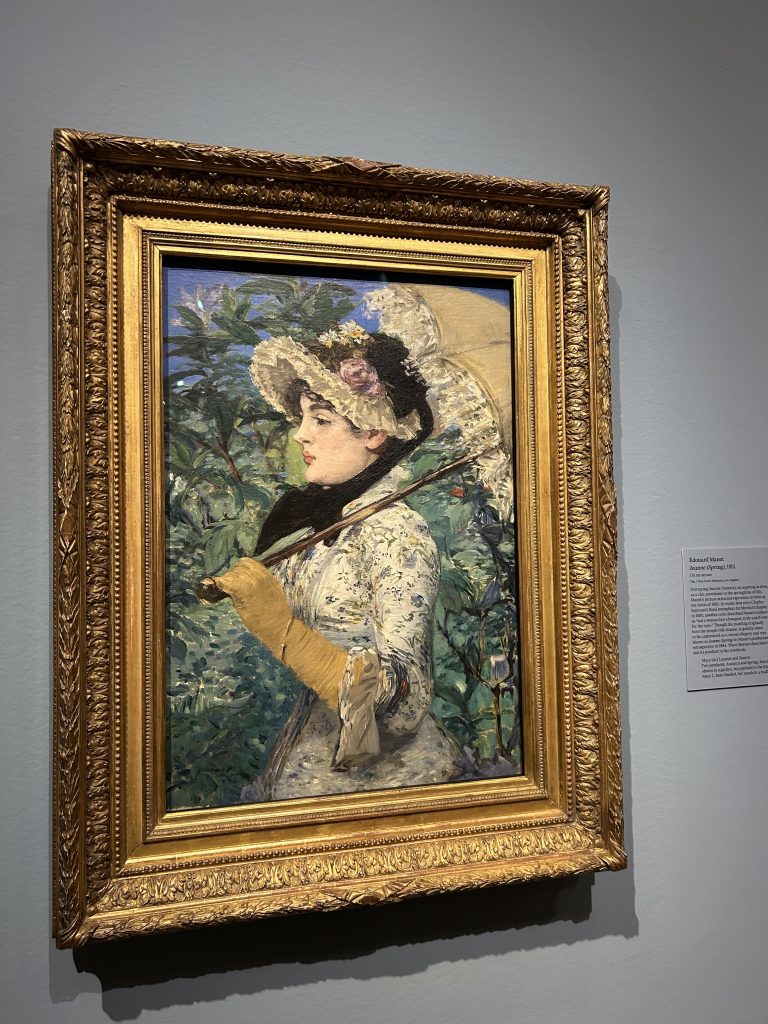
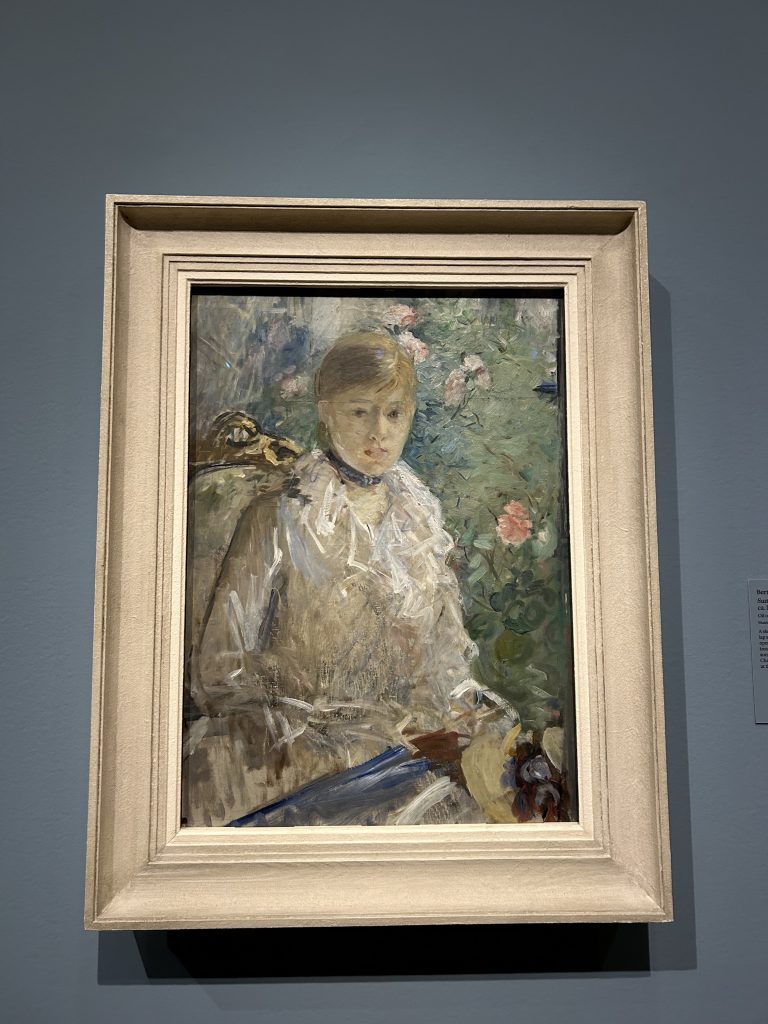
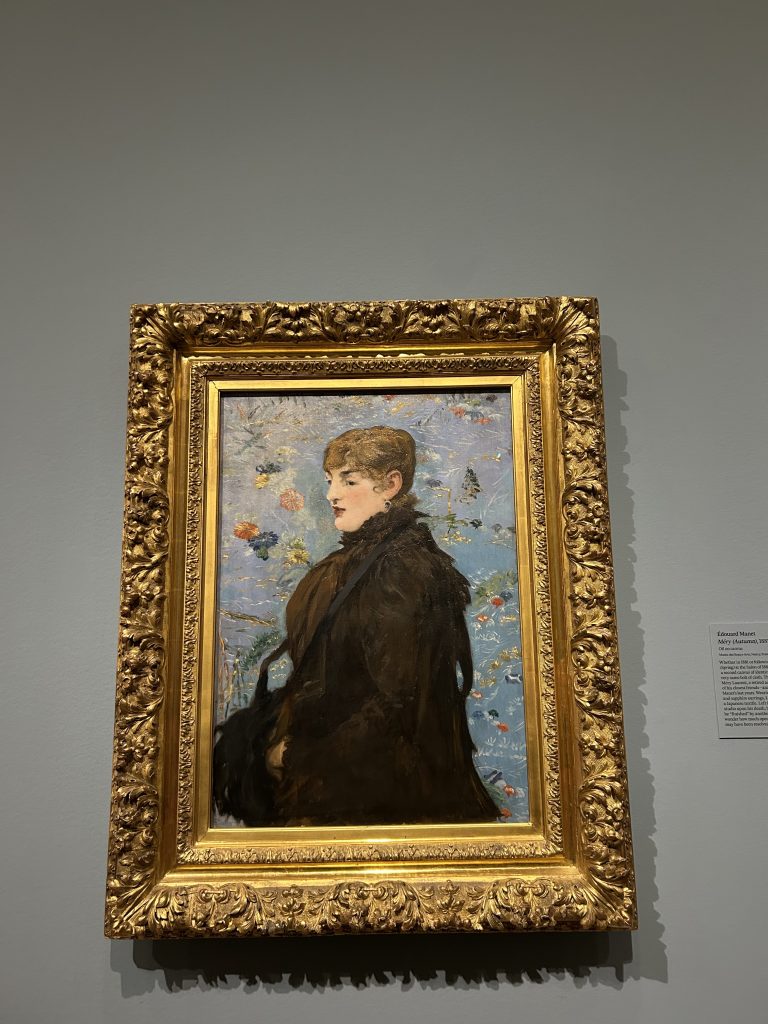
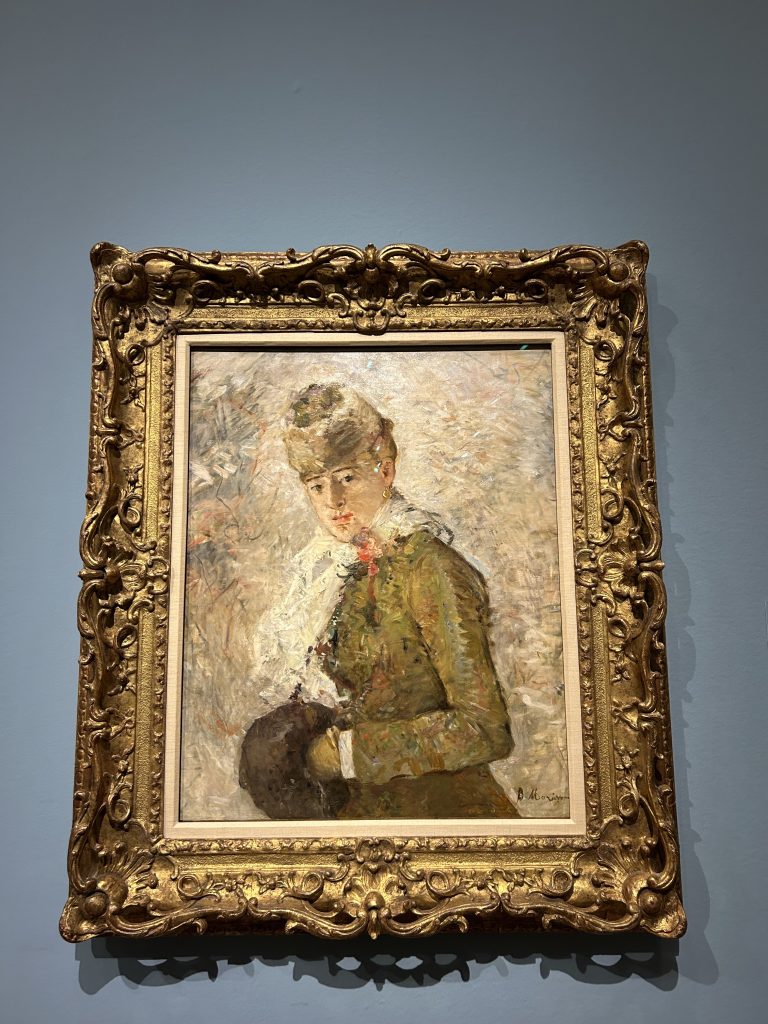
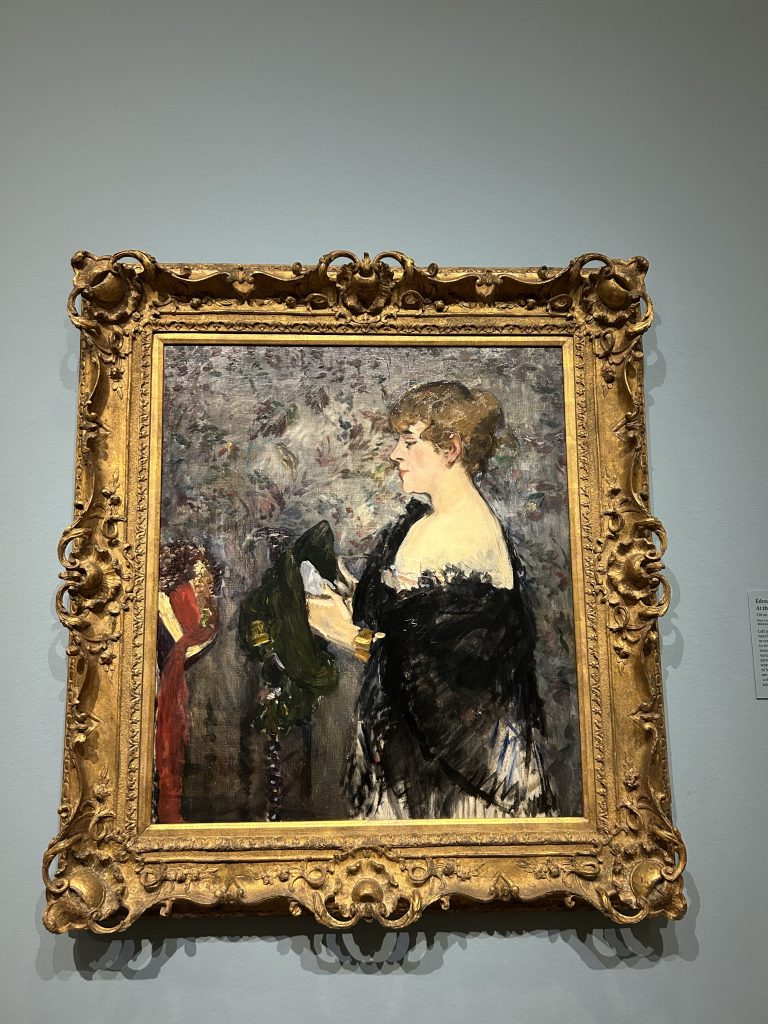
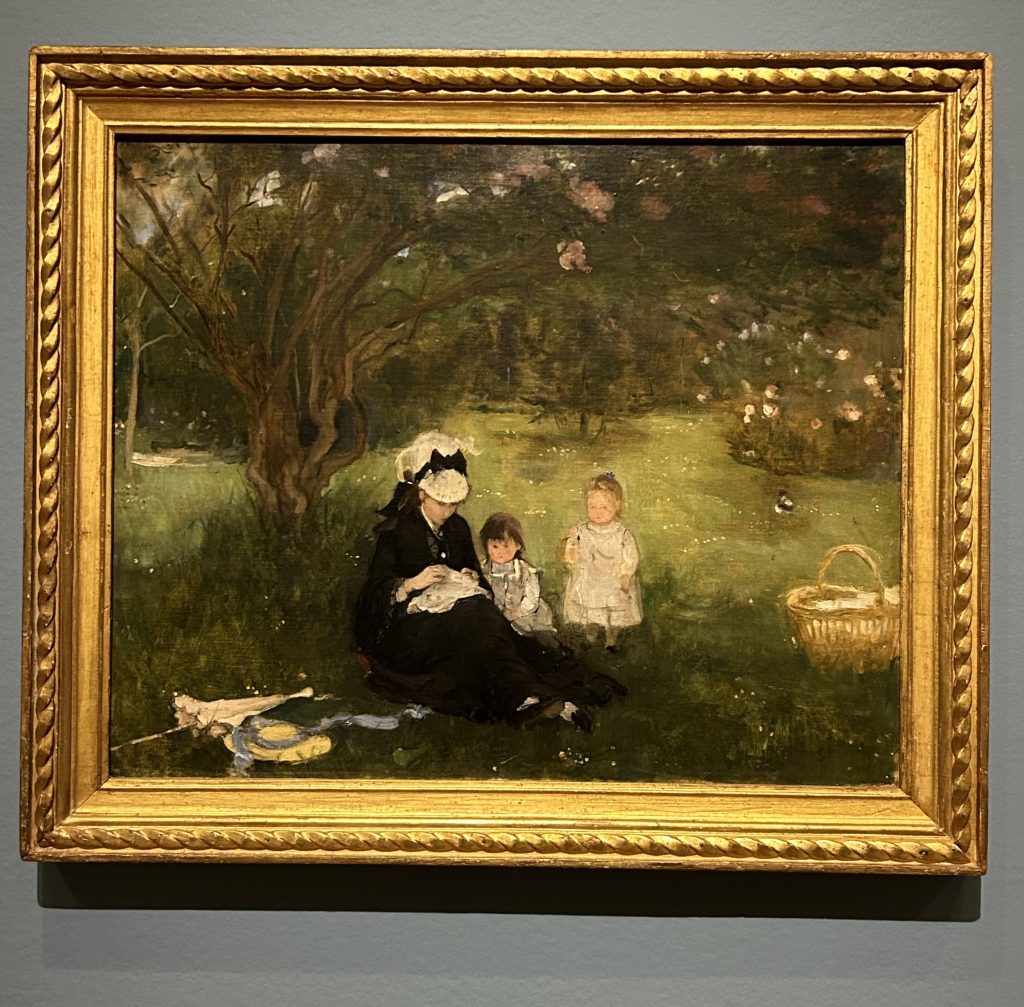
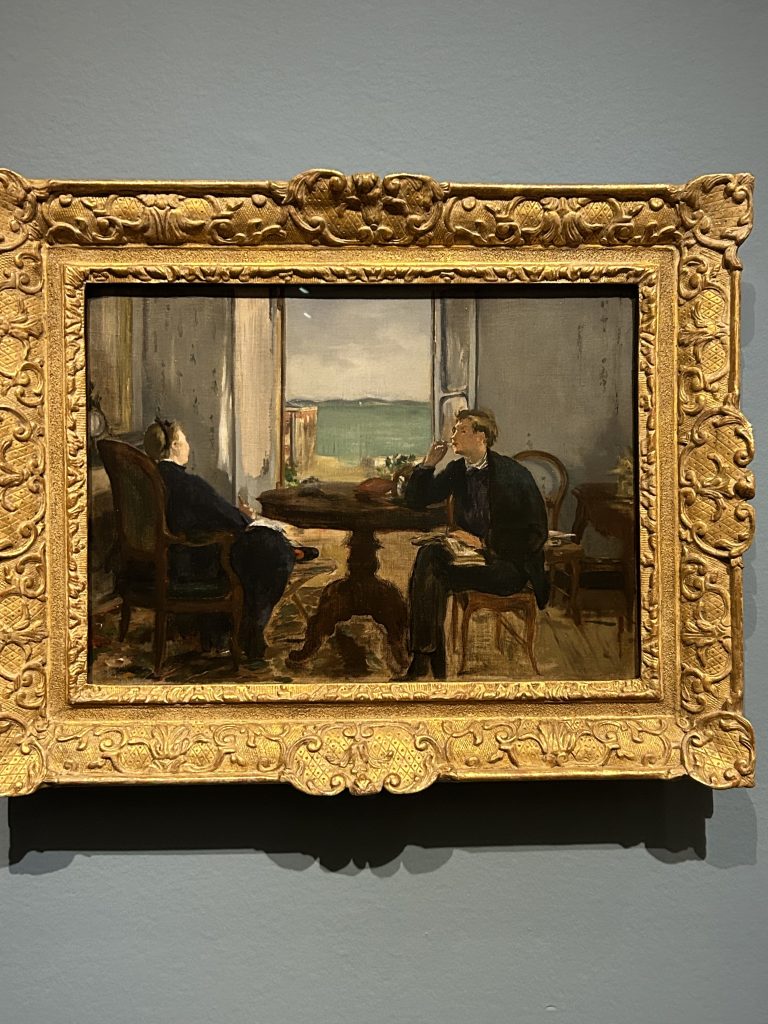
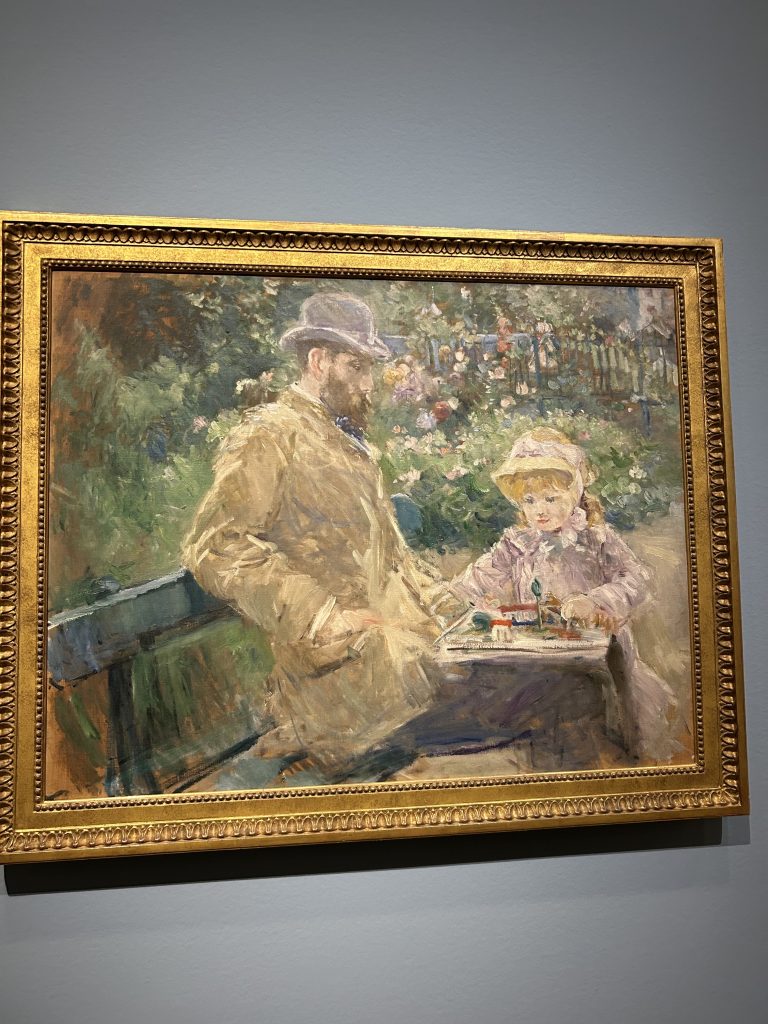
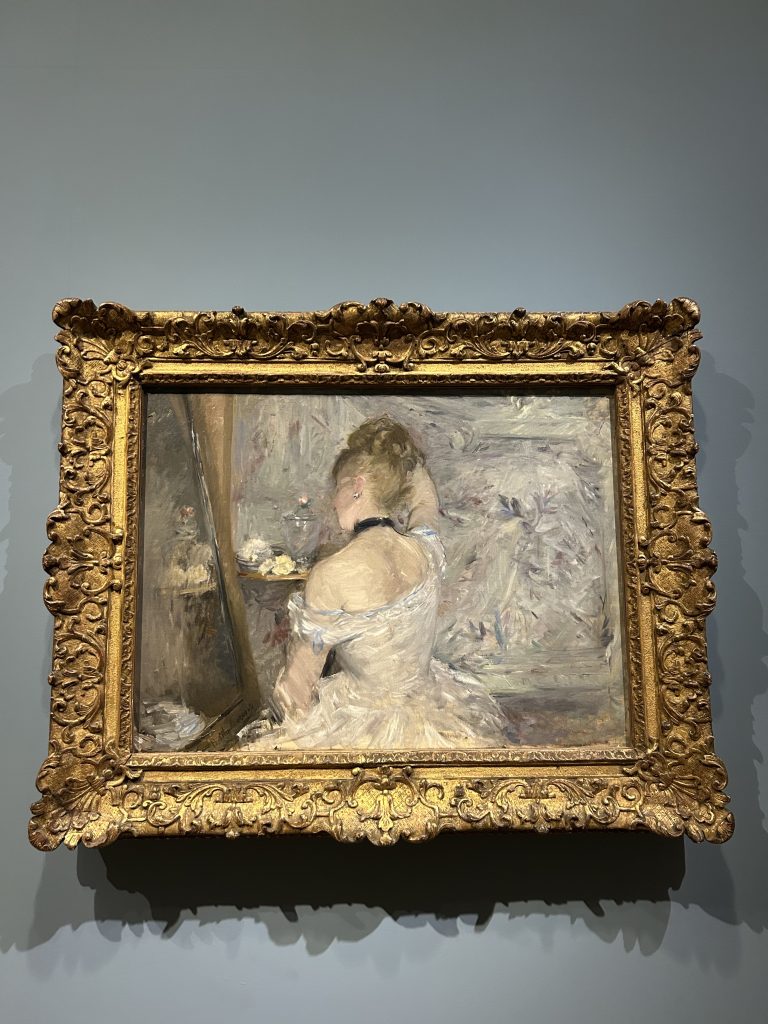
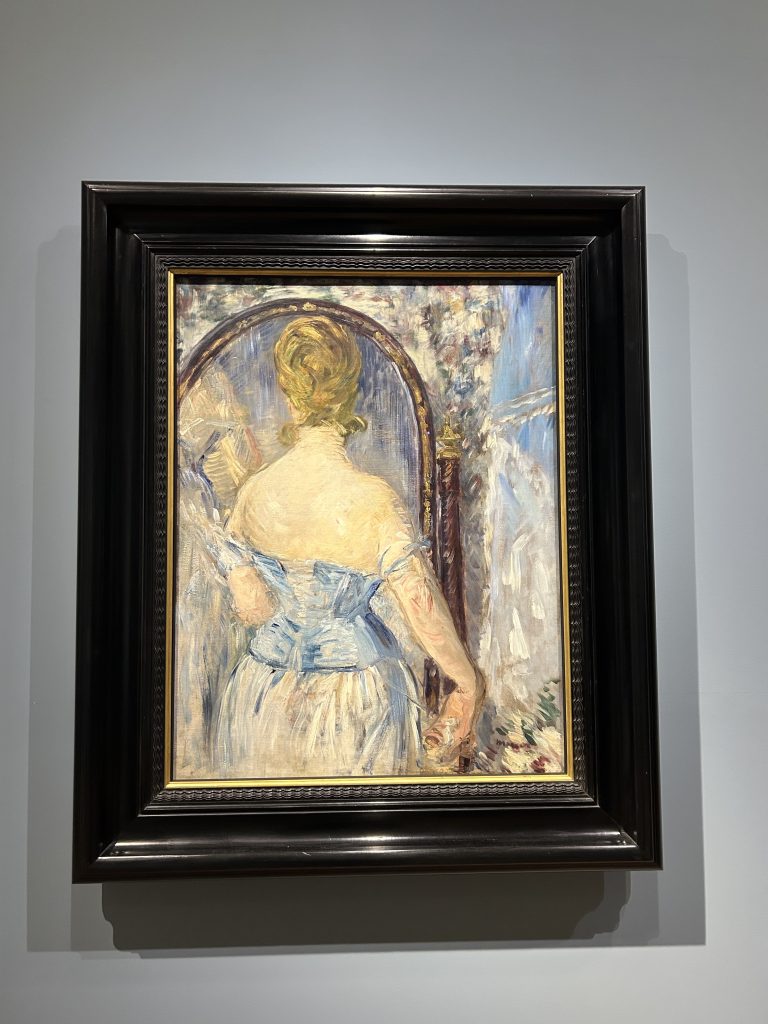
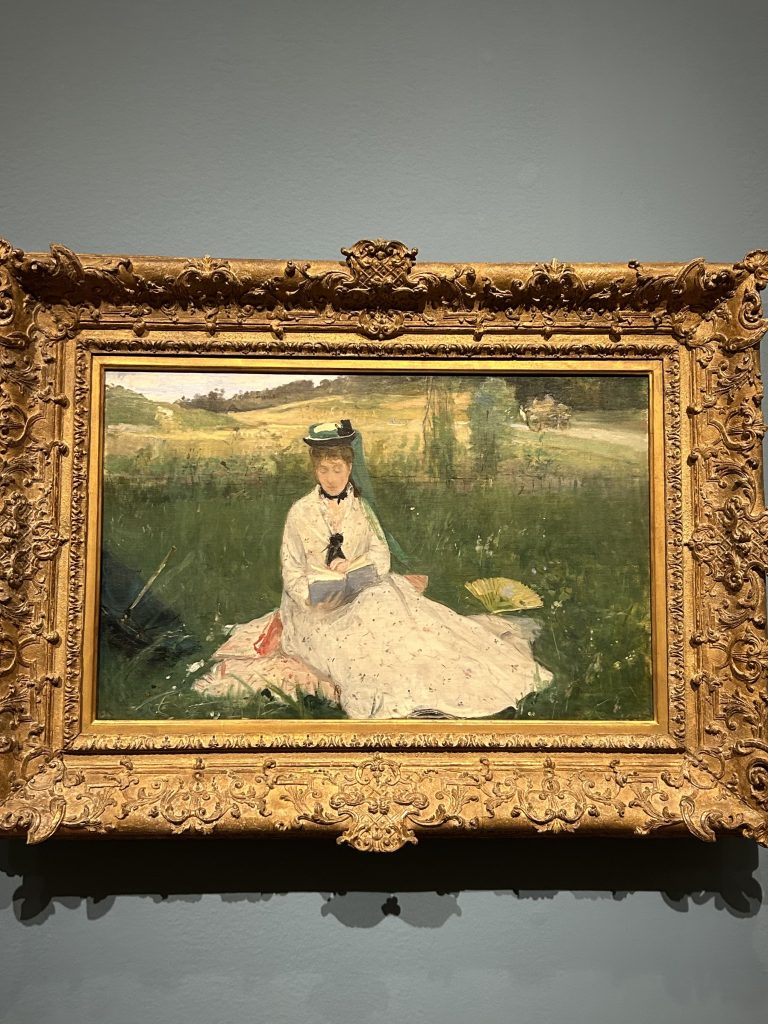
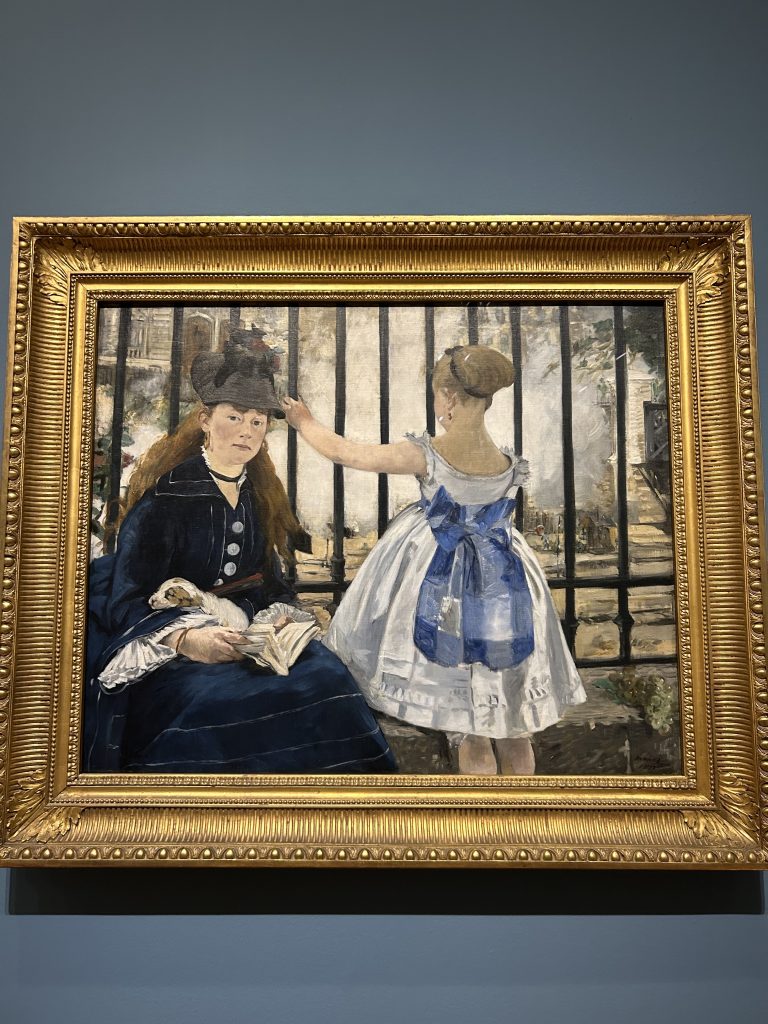
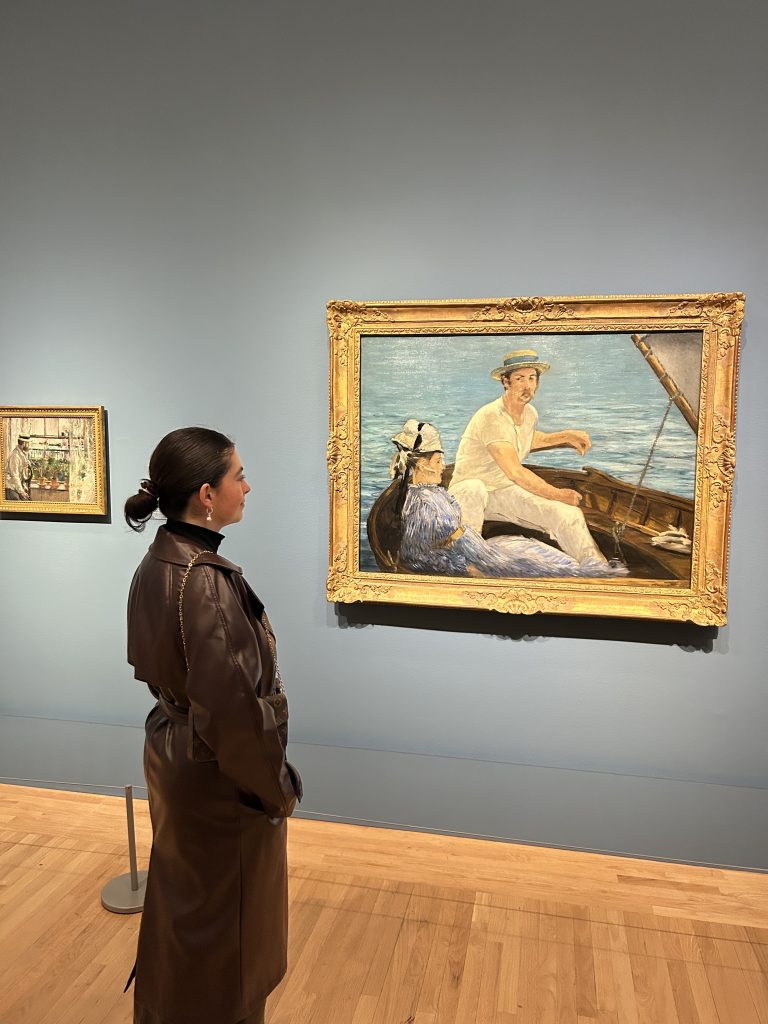
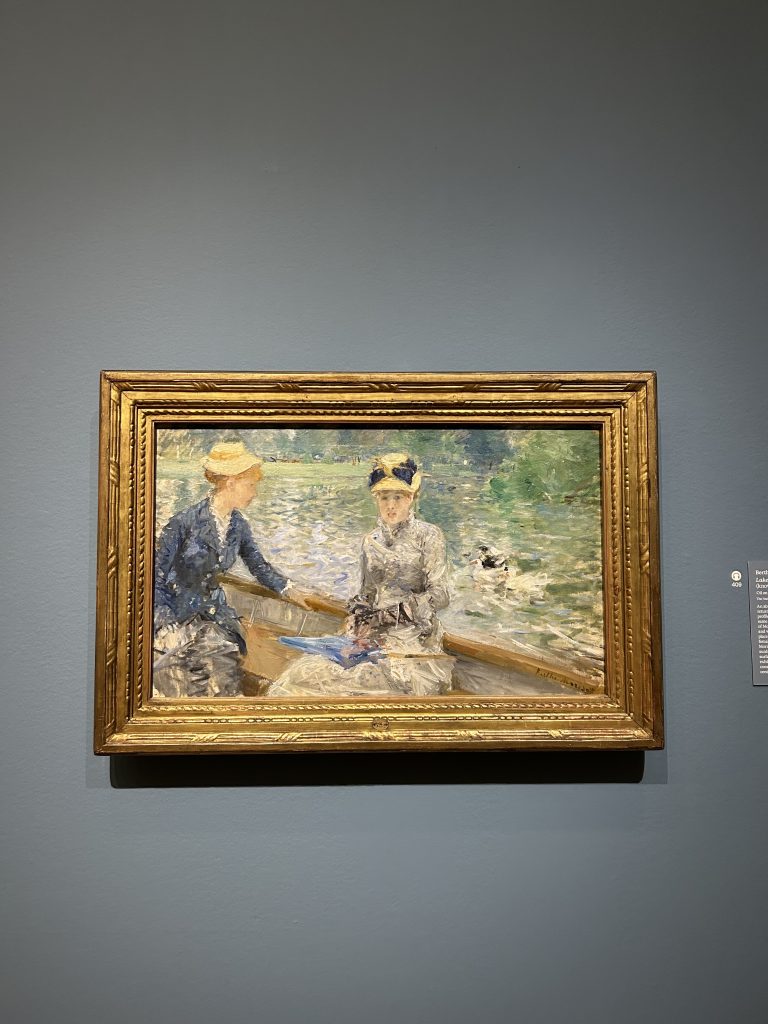
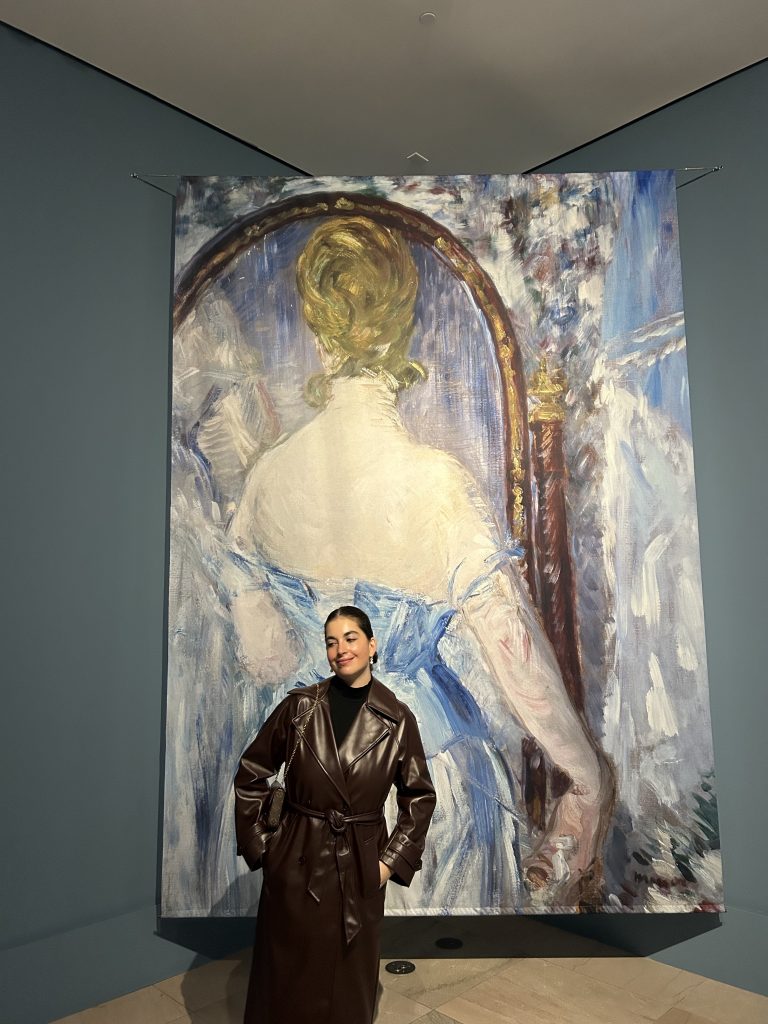
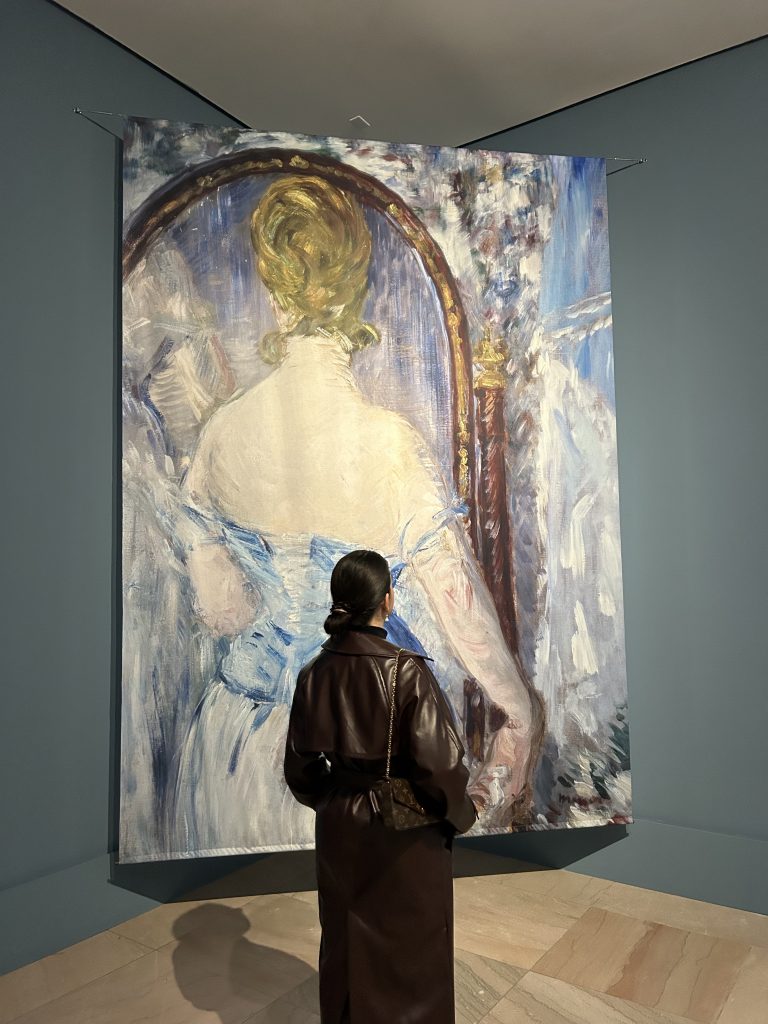
Impressionism has always been one of my favorite artistic movements. I remember studying it closely in school and feeling immediately drawn to it, perhaps because Impressionist paintings consistently evoke a sense of calm and tranquility. They capture life in fleeting moments, offering impressions rather than declarations, and create a particular mood that has always resonated with me.
This may stem from the movement’s attention to light and color, which encourages reflection and opens a quieter way of connecting with one’s inner world. Many Impressionist works depict scenes already infused with stillness: nature, interiors, moments at home. Women reading by a window, figures absorbed in thought, domestic spaces filled with soft light. Even outdoor scenes, walks in the park, people boating, picnicking, dancing, feel unhurried, suspended in time. What I find most compelling is how Impressionism elevates the everyday. These are simple moments, drawn from ordinary life, yet treated with care and tenderness. There is something deeply moving in this romanticization of the quotidian. It’s a way of seeing that lingers with me, and perhaps one that shaped how I learned, early on, to notice beauty in small, quiet moments. In many ways, it mirrors how I try to move through my own life: attentive, slow, and present.
With Édouard Manet, the feeling is slightly different. Manet is often seen as a bridge between Realism and Impressionism. His paintings feel more direct and grounded, with a sharper sense of observation, yet they also begin to move toward something new. What I appreciated most about this exhibition was how it focused on the relationship between Manet and Berthe Morisot. I appreciated how their connection was not told through the often used dynamic of artist and muse, but rather presented through the lens of friendship and mutual respect. The exhibition shows their collaboration, their shared ideas, and the ways they influenced one another over time. Their relationship feels balanced, shaped by dialogue rather than hierarchy.
Seen this way, the exhibition becomes less about individual genius and more about artistic companionship. It offers a quieter, more human way of reading art history, one that values influence, closeness, and shared ways of seeing. It reminds us that art is often shaped not in isolation, but through relationships.