I had been wanting to visit Filoli for a while. It is only about 25 miles south of San Francisco, genuinely close, and yet I had never made it there until recently. We went on a spring weekend and spent most of the day outside among the roses and then inside moving through the rooms of the house.
While I was there, I realized how little I knew about its history; the more I walked through the gardens and rooms, the more I wanted to understand who had lived there. Filoli was built between 1915 and 1917 for William Bowers Bourn II, heir to one of California’s richest gold mines, and his wife Agnes. The Georgian Revival mansion was designed by San Francisco architect Willis Polk and sits within 16 acres of formal gardens on a 654-acre estate at the base of the Santa Cruz Mountains in Woodside, California.
The name Filoli comes from Bourn’s personal credo, the first two letters of Fight for a just cause, Love your fellow man, Live a good life. He built with intention and thought long term. As he wrote in 1912: “My idea is to devote the afterglow of my life in personal supervision of its development.” He hoped Filoli would be a refuge, a place to slow down, step back from work, and, in his own words, “grow young” there. Instead, he suffered a severe stroke in 1921 and spent his final years in a wheelchair, being pushed each morning to a point in the garden with a view over the landscape he had created. He died in 1936. Agnes had died six months earlier. Their daughter had already died of pneumonia at 45. The family is buried on the estate.
After the Bourns’ deaths, the estate was sold to William and Lurline Roth in 1937. Lurline was a self-taught horticulturist who saw the garden as a tapestry and spent decades adding to its botanical collections, camellias, rhododendrons, azaleas. In 1975 she donated the entire estate to the National Trust for Historic Preservation. It is now considered one of the finest remaining country estates of the early 20th century in the United States, and the last intact estate from an era when San Francisco’s wealthiest families built grand showplaces south of the city after the 1906 earthquake.
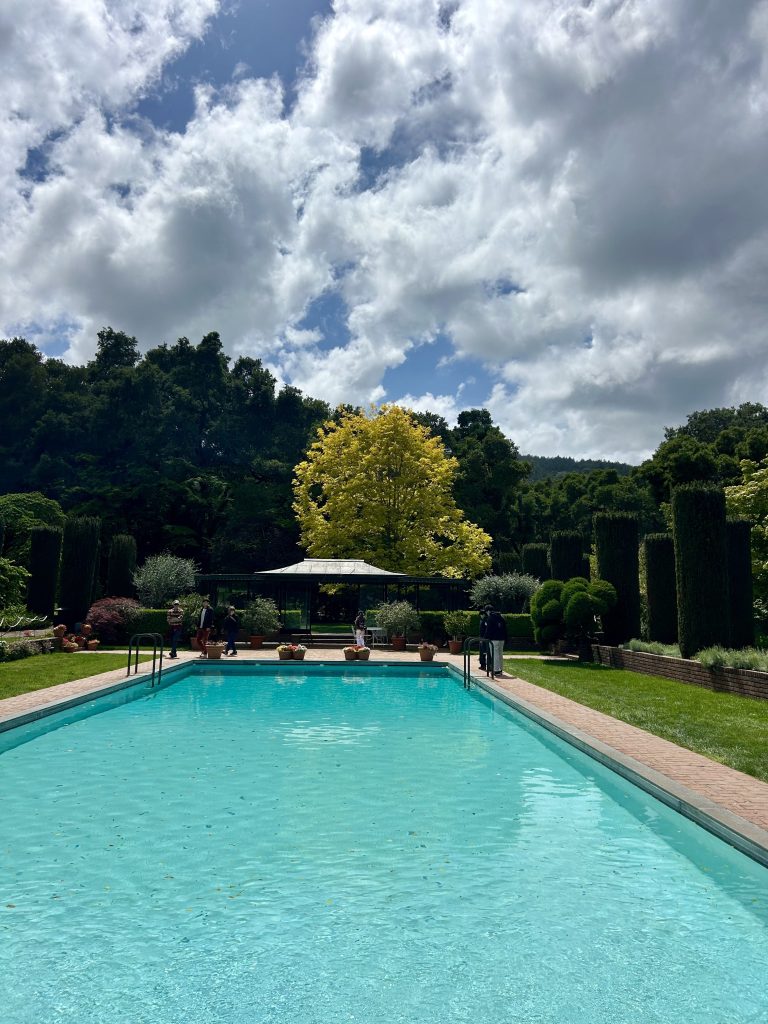
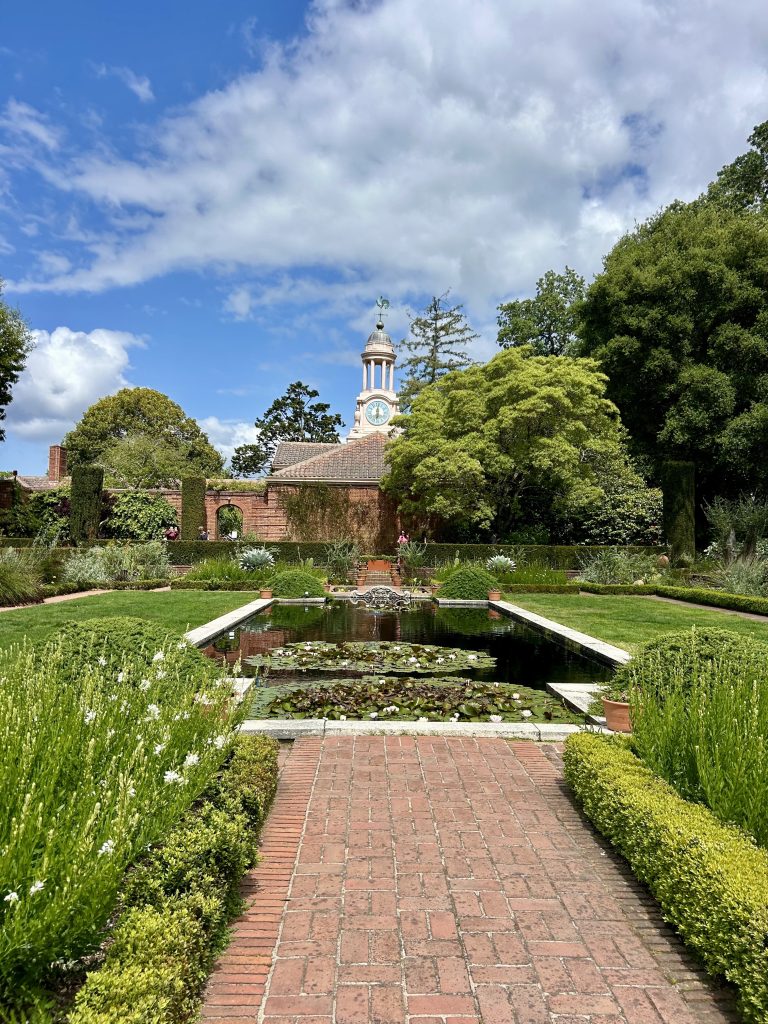
The Gardens
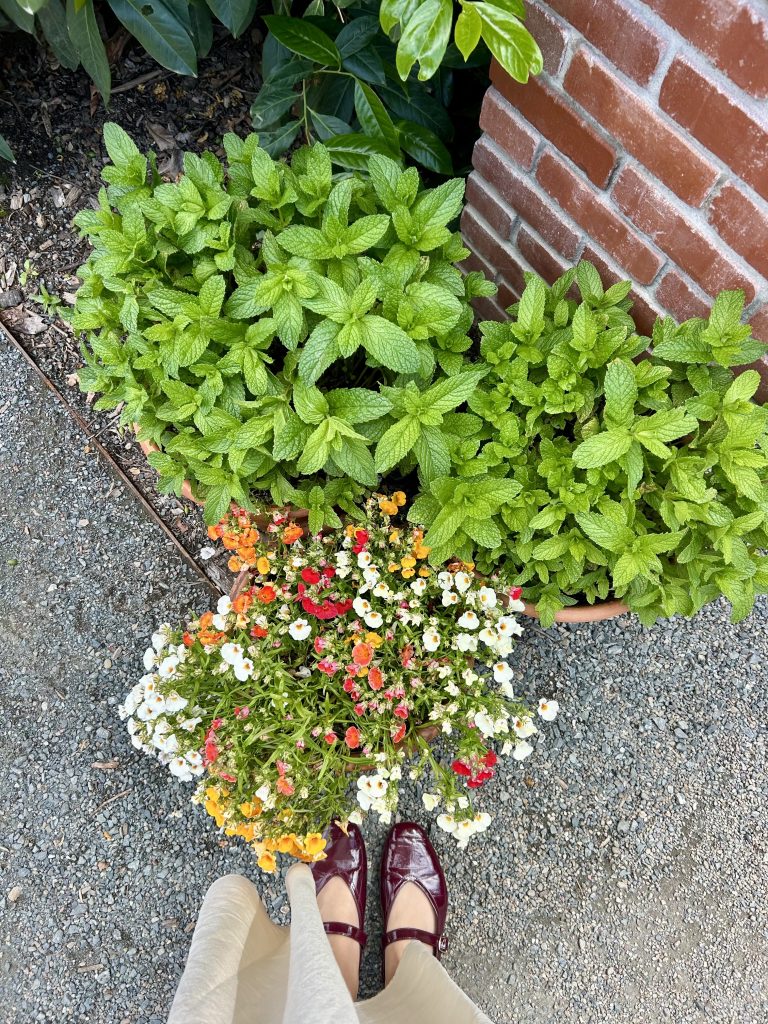
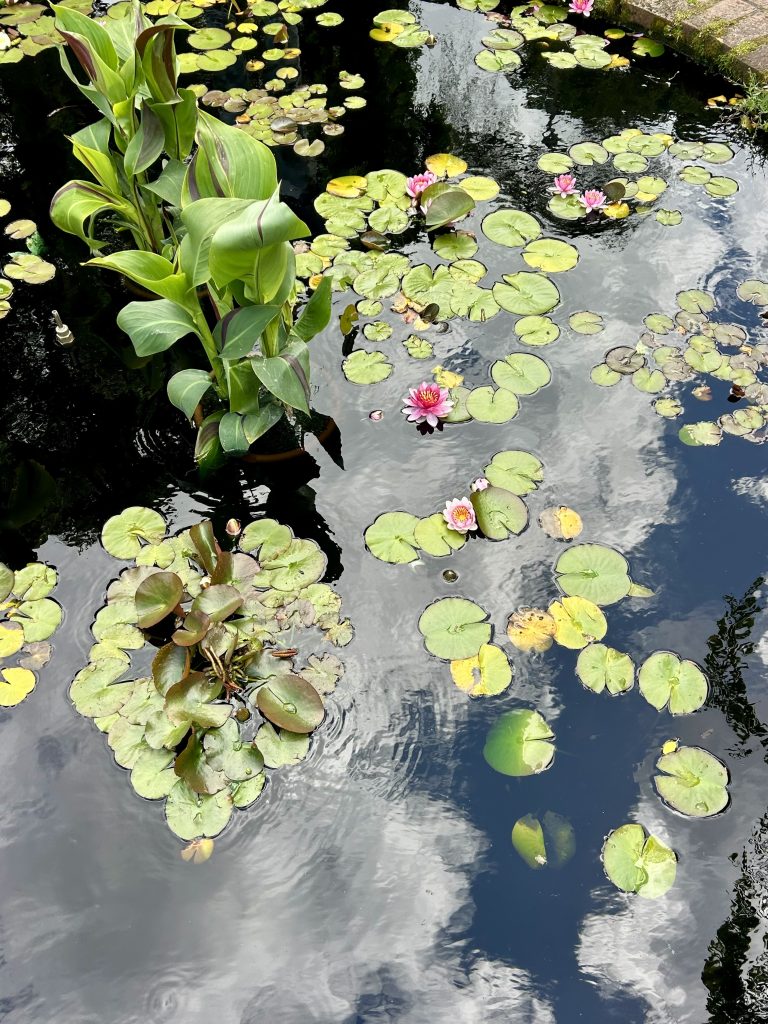
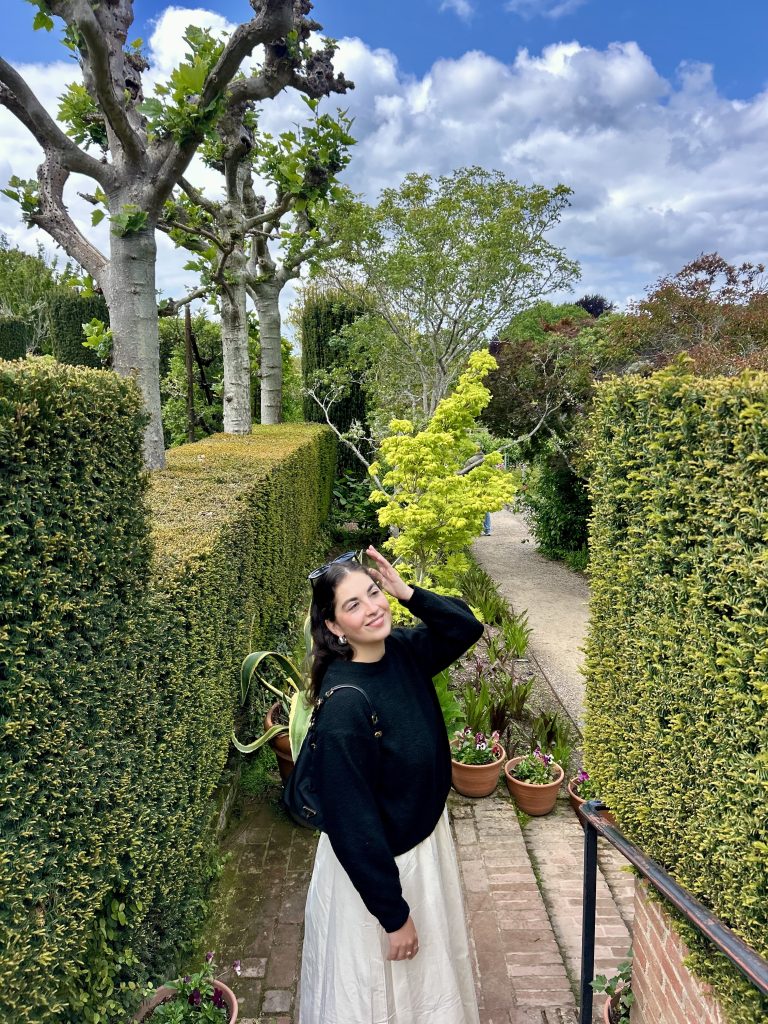
The gardens are larger than I expected, the kind of place where it is easy to lose track of where you are. They are 16 acres of formal terraces, flower beds, orchards, and paths, and in spring everything is in bloom which makes it even more special.
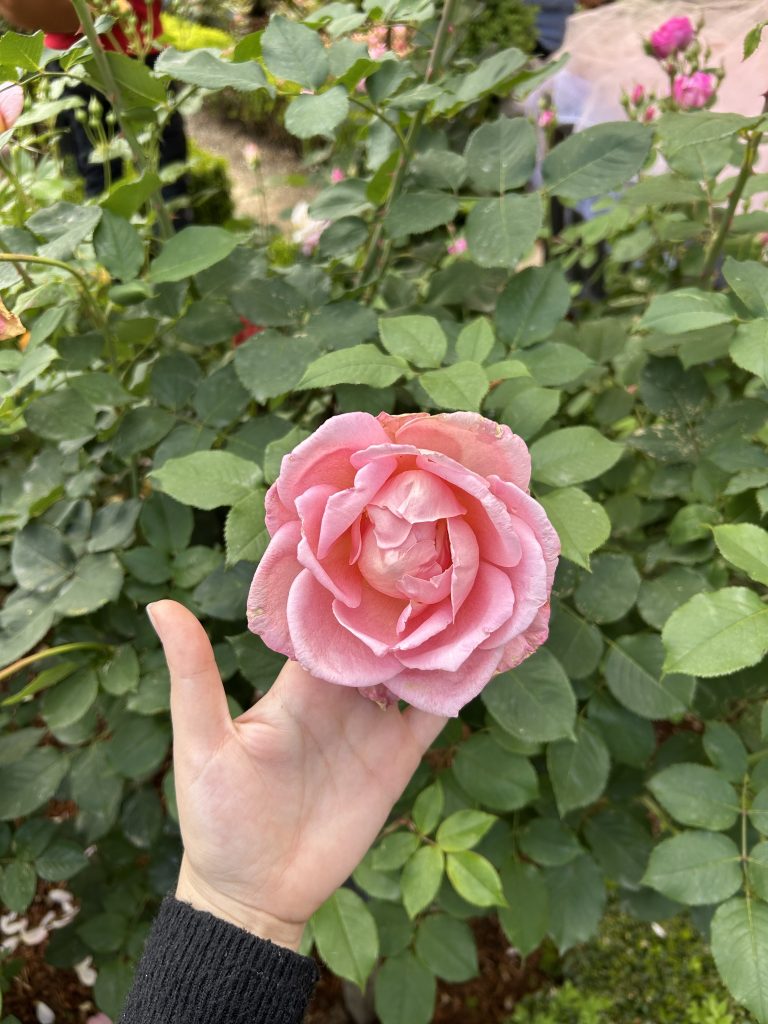
The rose garden was what I loved most. There are 242 varieties planted at Filoli, and in spring they are in full bloom. We went through almost all of them, stopping to smell each one, noticing the differences in color and form.
What I found particularly interesting, and only discovered afterwards while researching, is how much of the garden has an Irish connection. Bourn chose this specific location partly because it reminded him of Muckross House in Ireland, the estate he had gifted to his daughter as a wedding gift. He brought yew trees, holly, and myrtle cuttings from Killarney and had them planted at Filoli. There are 210 yew trees on the estate. He even named a bridge on the property Brickeen Bridge after the span between the upper and lower lakes in Killarney. The garden carries that connection quietly, without announcing it.
Inside the House
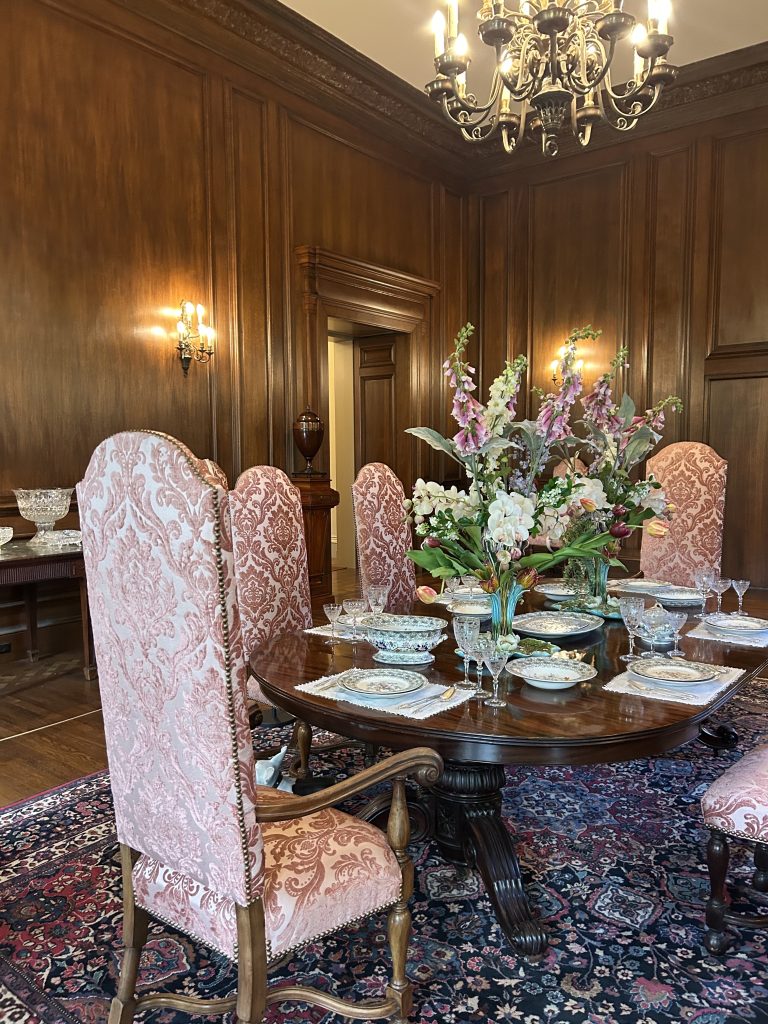
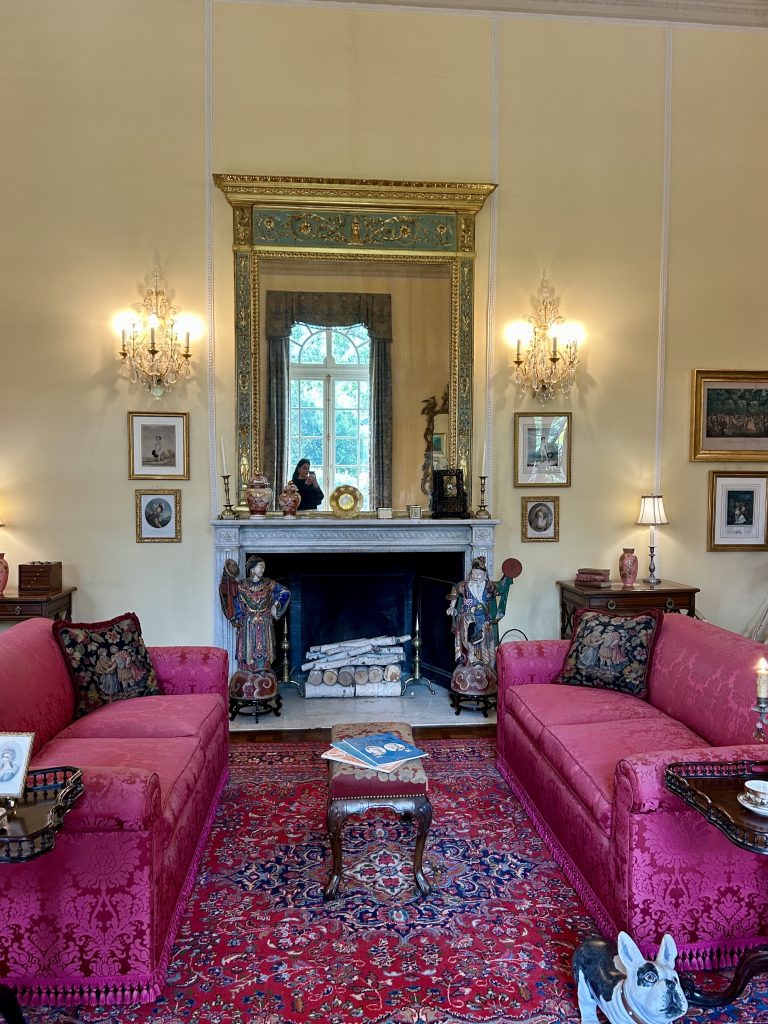
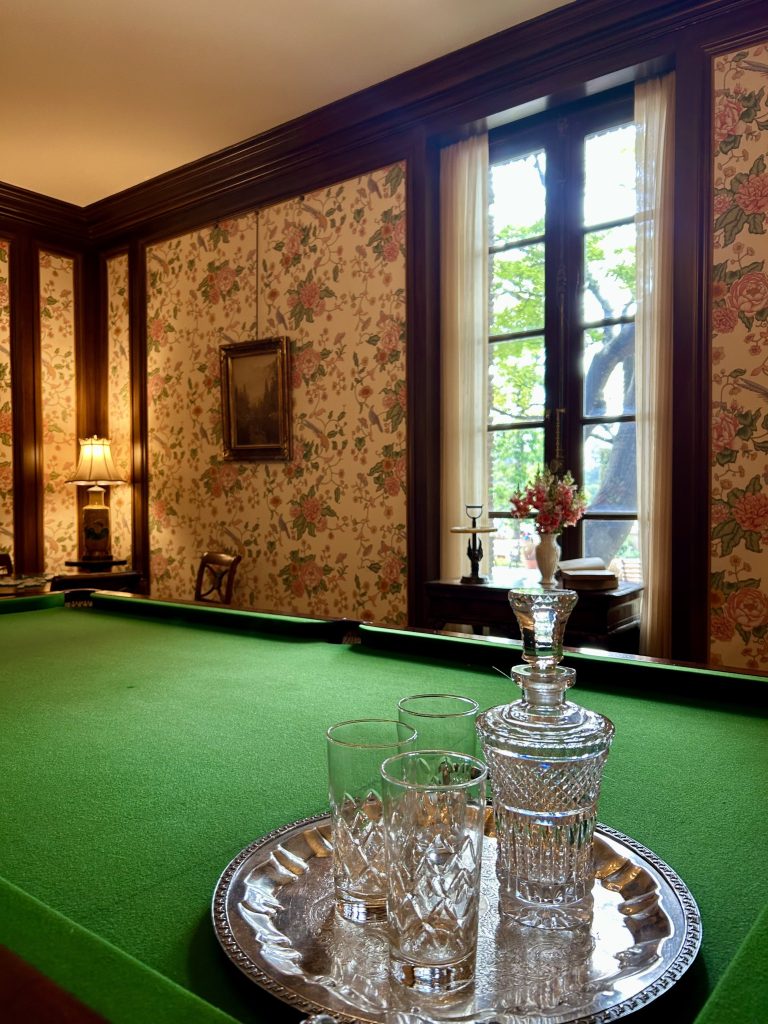
Filoli is not a museum in the traditional sense. It is a house, and the rooms are furnished and presented as they were when the families lived there, the kitchen, the bathrooms, the closets with clothes inside. You are walking through a real domestic life from another era, not just looking at art on walls. It feels as if someone still lives there, and that is what makes Filoli different from most historic houses I have visited. Everything feels lived in and personal, not arranged just to be looked at.
The Library
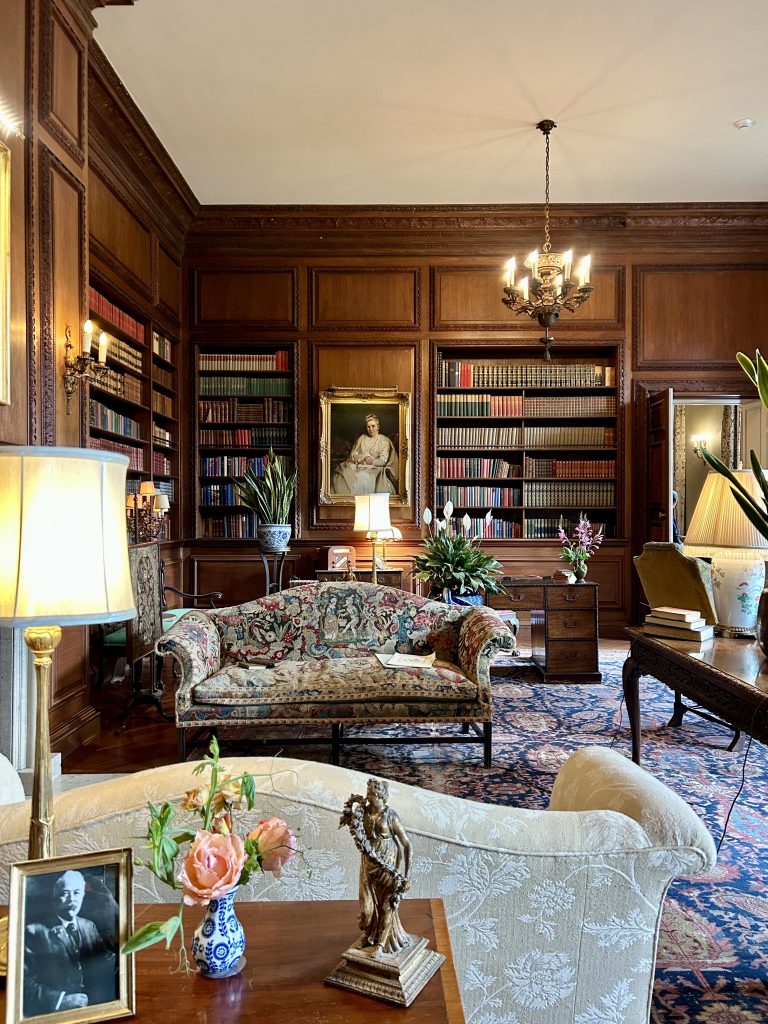
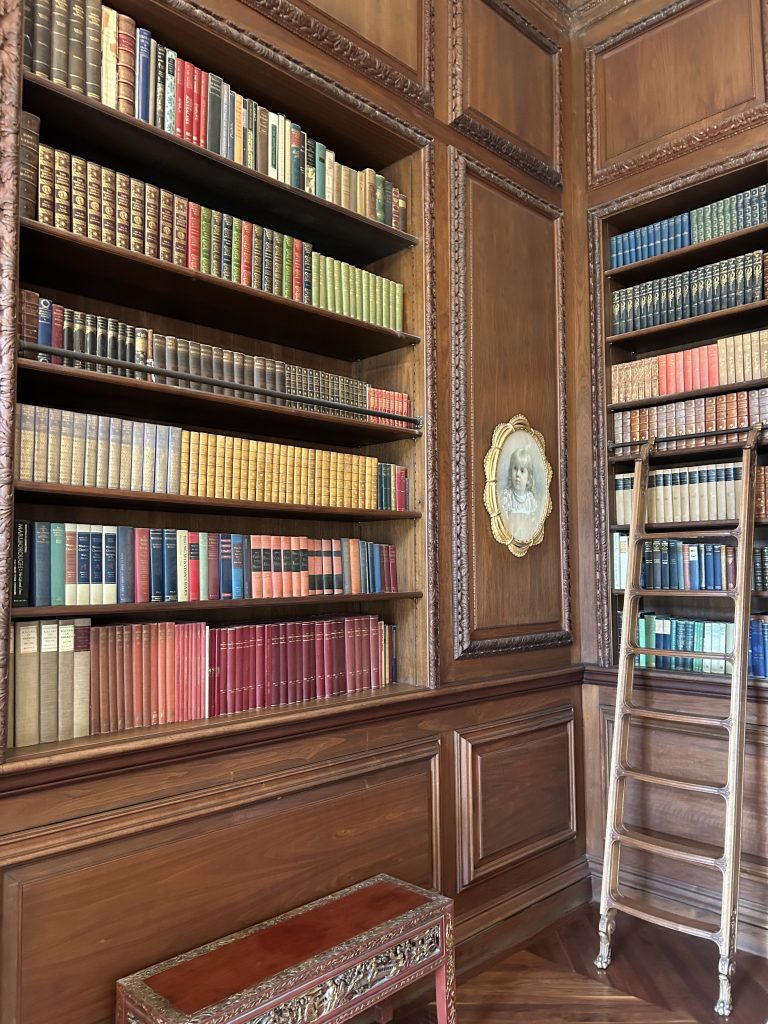
My favorite room inside was the Library. It has everything I love about a room built around books, wood paneled walls, a fireplace, a sense of quiet that feels natural to the room. Some of the books on the shelves belonged to the Bourns, and above the fireplace hangs a portrait of Mrs. Roth, painted in 1981. The kind of room where I felt I could get a lot done if I had something like this at home.
The Ballroom
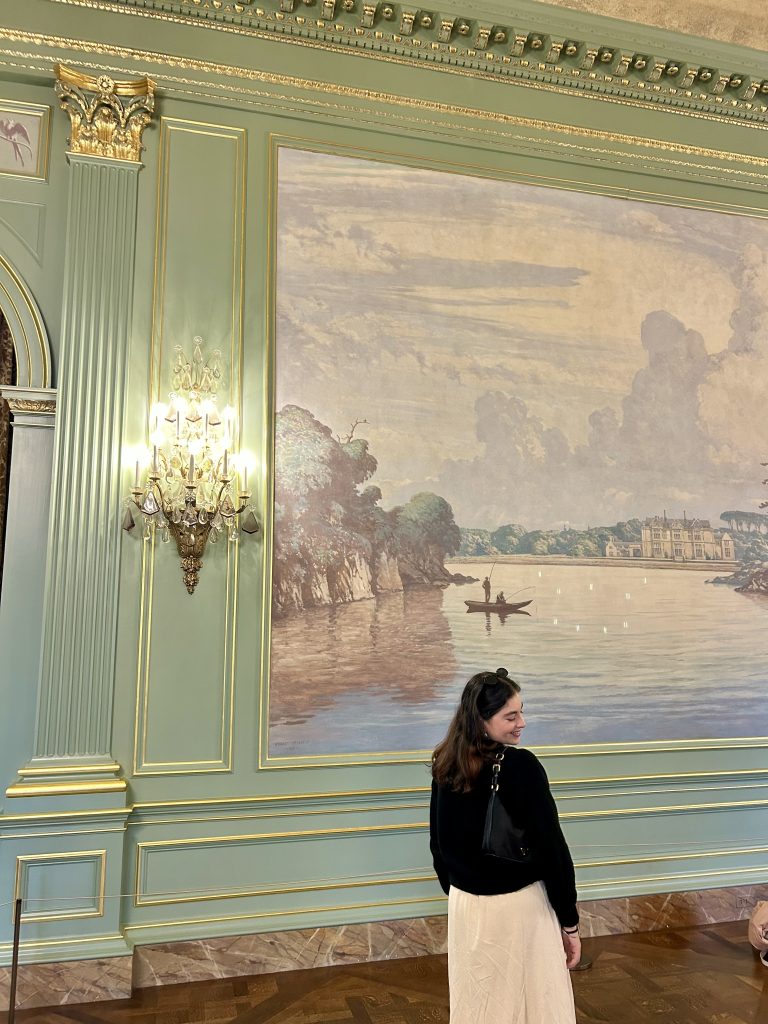
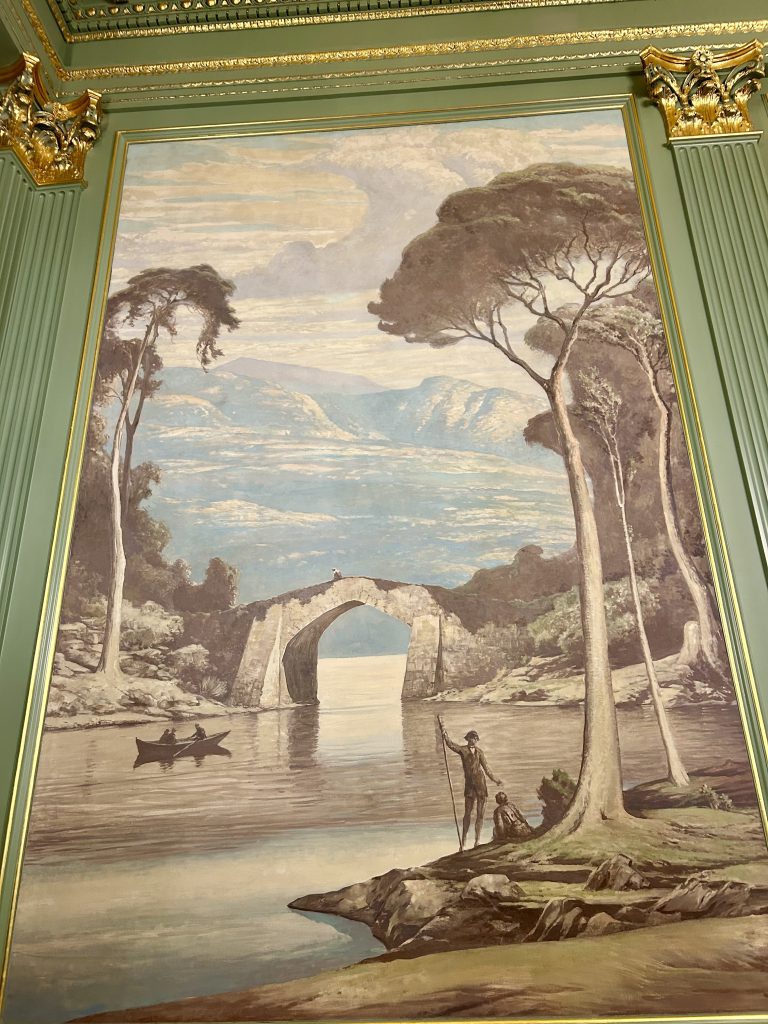
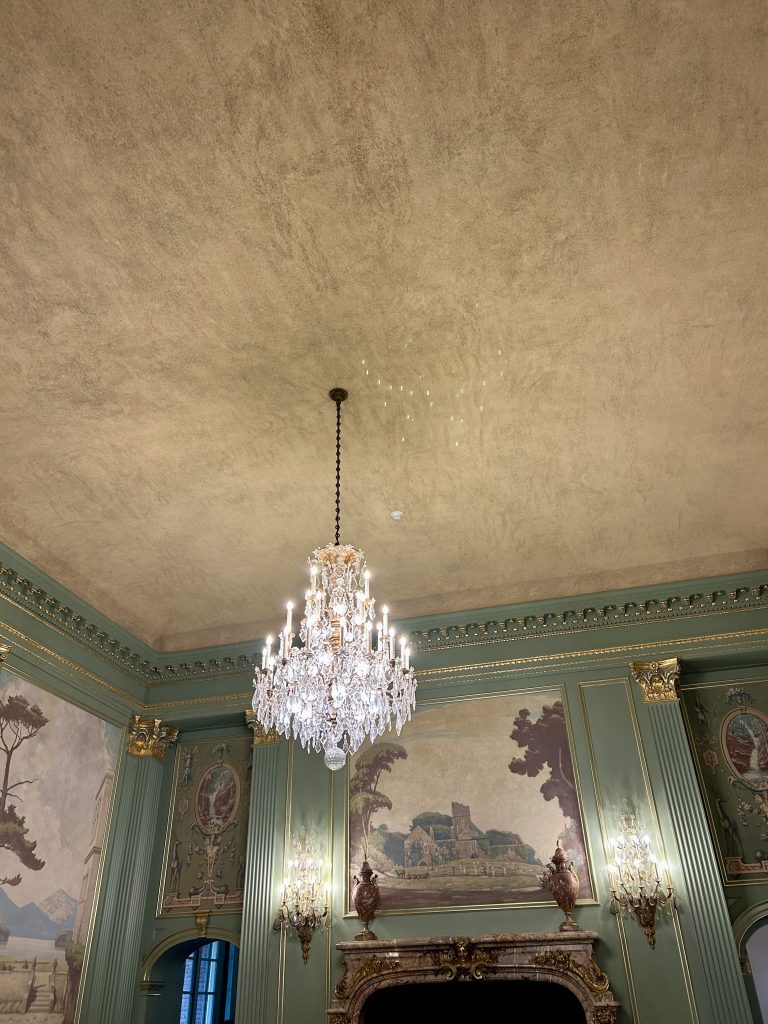
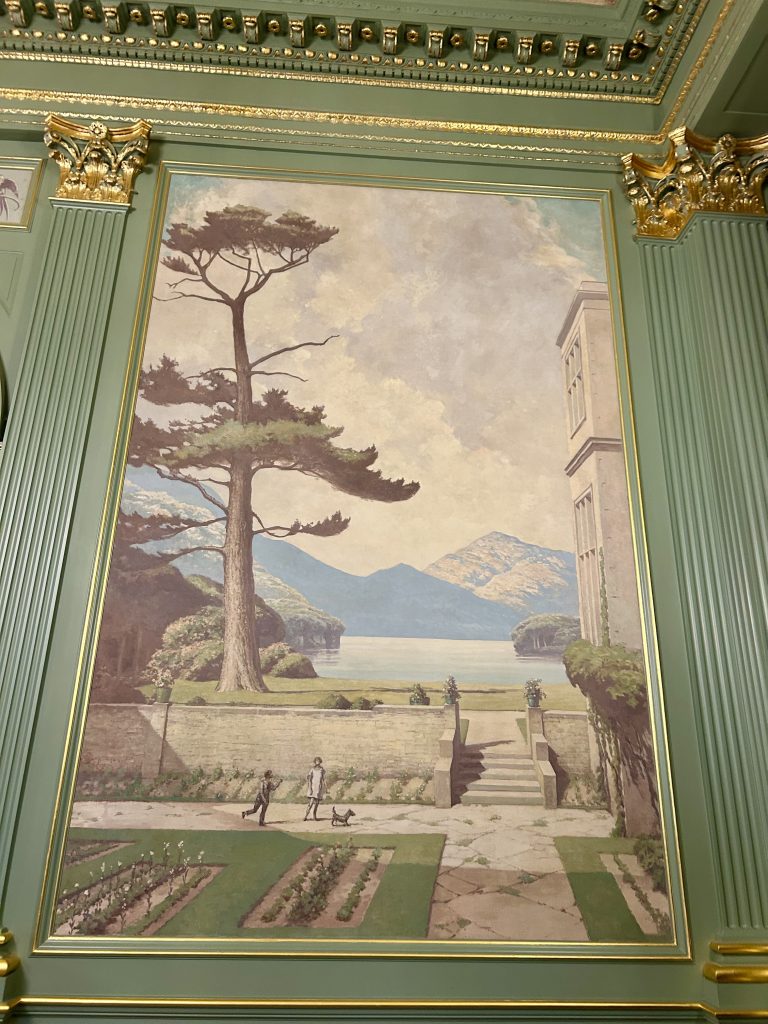
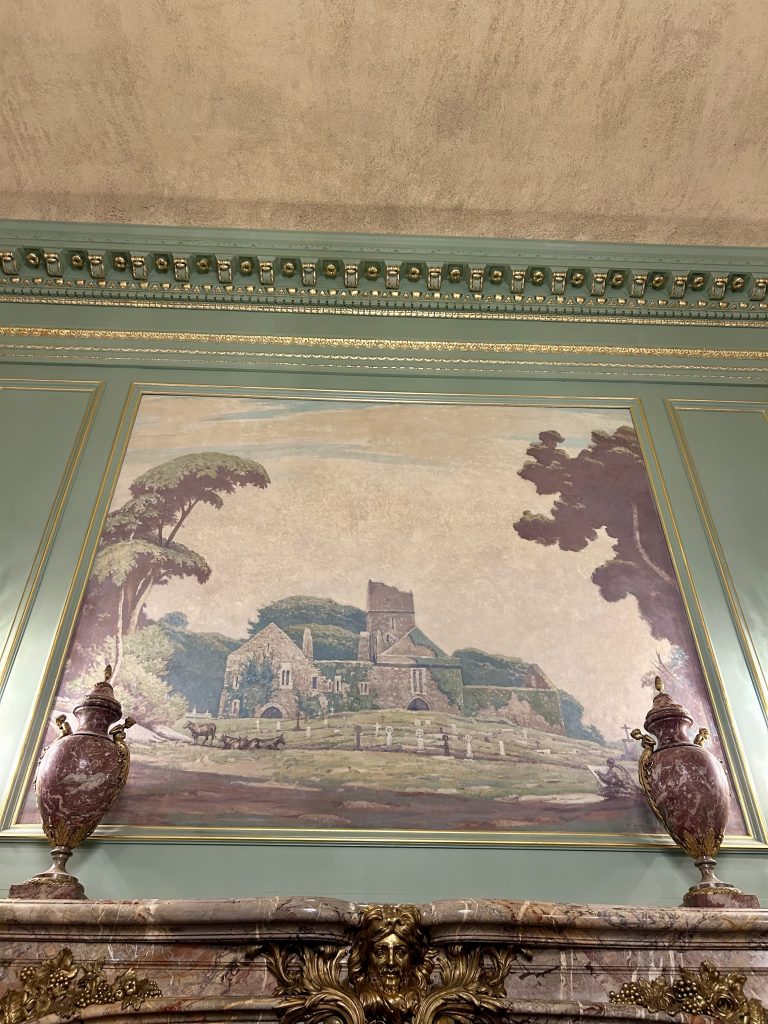
The Ballroom was another of my favorite rooms, and one I kept coming back to. A large room with pale green walls, gilded moldings inspired by the Palace of Versailles, chandeliers, and floor-to-ceiling murals that cover almost every wall.
I stood there for a while trying to figure out what landscape the murals were depicting (at first I thought it was probably somewhere in California). There was something quiet about them, slightly atmospheric, but hard to place. I was looking at lakes, trees, a castle in the distance. It felt personal somehow, more than just decoration.
The story behind them is more personal than it first appears. The murals were painted in 1921 by American artist Ernest Peixotto, who was born in San Francisco and was known primarily for his mural work. After Bourn suffered his stroke and could no longer travel, his wife Agnes commissioned Peixotto to paint the Irish landscape her husband could no longer visit, specifically Muckross Estate in Ireland, where their daughter lived, and the Lakes of Killarney. Peixotto traveled to Ireland with his family to make sketches on site, then painted the enormous canvases in his New York studio before they were shipped by train to Filoli and installed in the ballroom. Agnes also suggested including O’Sullivan’s Cascade in Killarney as a subject, writing to Peixotto: “It has fairies hiding among the ferns and listening to the music of the falling water.”
Learning all of this after the visit changed how I thought about that room. What felt personal when I was standing there turned out to be one of the most intimate commissions in a historic house.
Why Filoli Stays With You
Filoli is the kind of place where you can spend a whole day without noticing the time pass. The gardens are big enough to get genuinely lost in, the house has enough rooms to slow you down, and the history behind both is interesting enough to keep pulling you deeper.
It is also one of those rare places where history feels human rather than institutional. The Bourns built it as a refuge and filled it with things they loved, including a landscape they could no longer reach. The Roths maintained it for decades out of genuine love for the garden. And Mrs. Roth eventually gave it all away so that others could enjoy it.
That generosity is still there in the experience of visiting. Filoli feels cared for in a way that is rare, and it shows in every part of the estate, from the roses in the garden to the murals in the ballroom.