A reflection on Sardinia’s remarkable archipelago, its history, and the town I always look forward to returning to.
Every summer, one of the places I look forward to returning to most is La Maddalena. The short ferry from Palau has become a familiar part of my summers in northern Sardinia. Some days are spent exploring the islands and swimming in the archipelago, while others end in the town of La Maddalena for dinner and an evening walk.
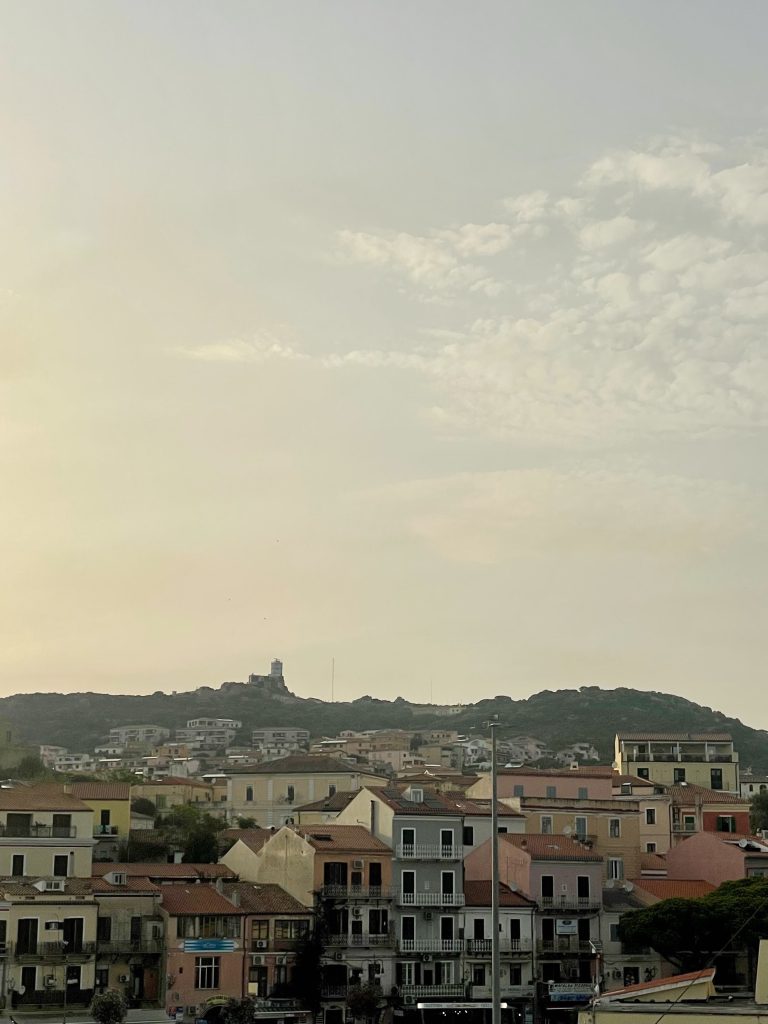
Although La Maddalena is often associated with its beaches and remarkably clear water, I have always thought its appeal lies in the balance between its landscapes, its history, and the rhythm of everyday life. The archipelago offers some of the most beautiful coastal scenery in the Mediterranean, yet it is equally memorable for the historic town that welcomes visitors back at the end of the day.
Situated between northeastern Sardinia and southern Corsica, the La Maddalena Archipelago consists of seven main islands and dozens of smaller islets spread across the Strait of Bonifacio. Since 1994, much of the area has been protected as the La Maddalena National Park, preserving both its marine ecosystem and the landscapes that make these islands so distinctive. La Maddalena is the largest and most populated island in the archipelago, as well as the location of its only town. Around it, islands such as Caprera, Spargi, Budelli, Santa Maria, and Razzoli each have their own landscape and character.
One of the things I appreciate most about the archipelago is that no two islands feel quite the same. Budelli is known for its protected Spiaggia Rosa, whose pale pink sand is the result of tiny fragments of marine organisms and shells. Spargi is characterized by granite formations, sheltered coves, and Mediterranean vegetation, while Caprera combines wooded trails, quiet beaches, and one of the most important chapters in modern Italian history. Exploring the islands by boat has become one of my favorite summer traditions. Spending the day swimming in secluded coves and moving from one island to another offers a completely different perspective of northern Sardinia than the mainland coastline.
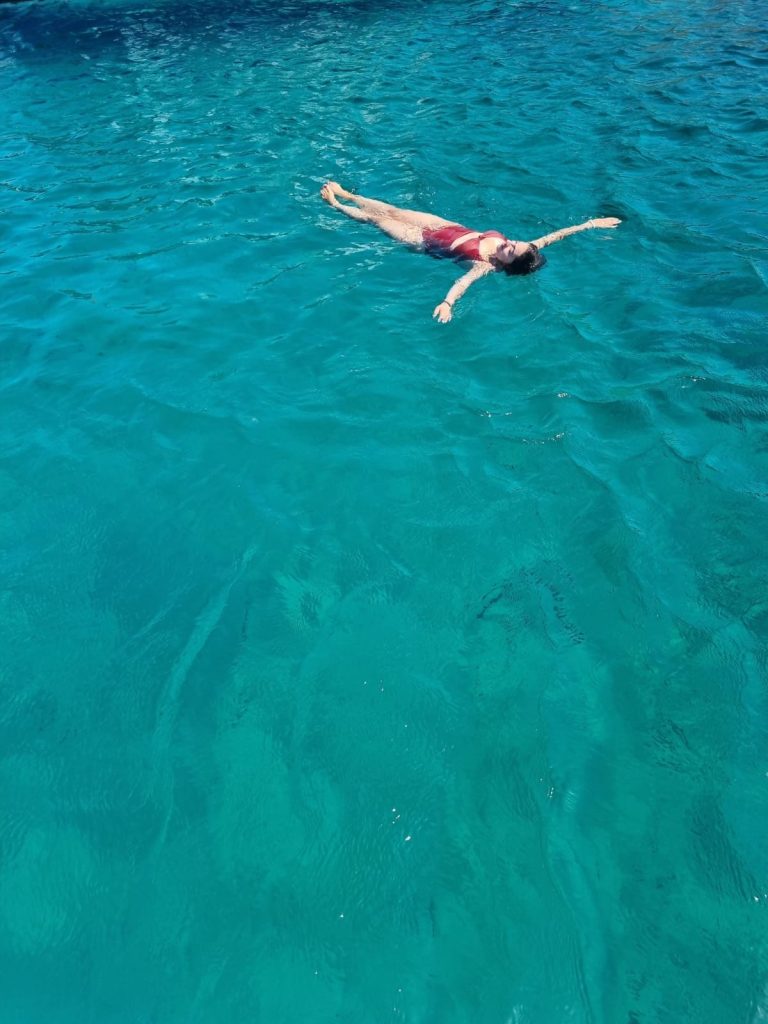
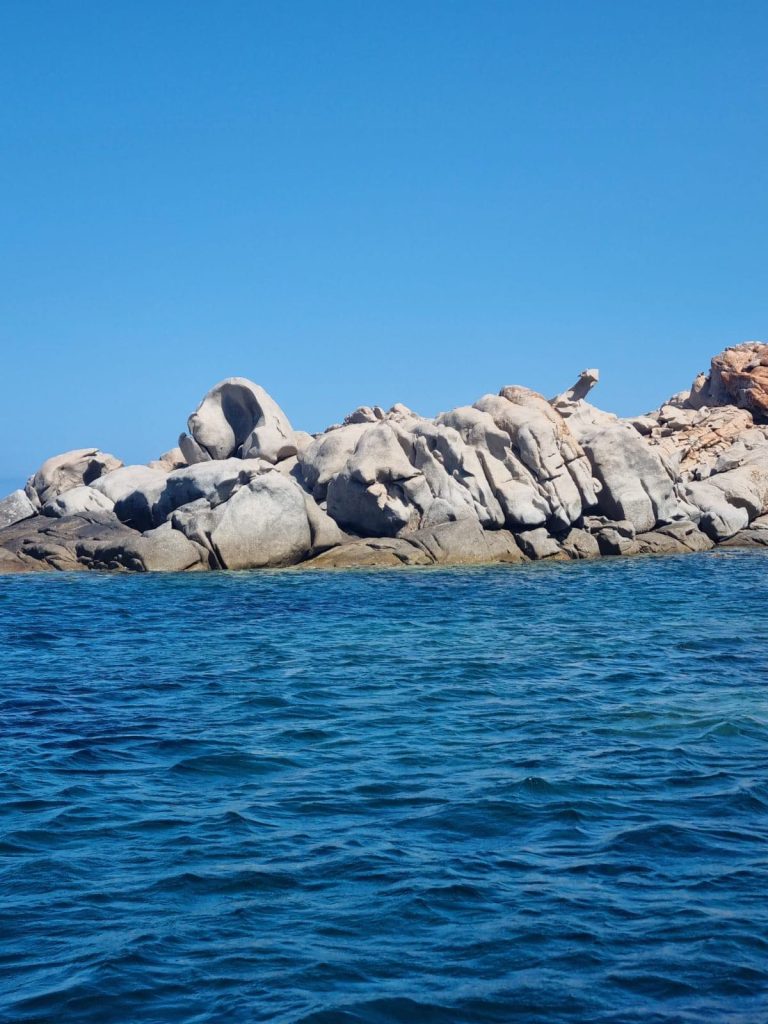
The landscapes themselves are shaped by the granite formations that define Gallura, the northern region of Sardinia to which the archipelago belongs. Over thousands of years, wind and sea have sculpted these rocks into rounded forms that are now one of the area’s defining features. Combined with the protected marine environment, they create waters that are exceptionally clear, making the experience of navigating between the islands as memorable as reaching the beaches themselves.
The history of La Maddalena is just as fascinating as its natural beauty. Its strategic position in the Strait of Bonifacio has made the archipelago important for centuries. Archaeological evidence suggests that these islands have been inhabited since ancient times, while their strategic location made them an important crossroads in the Mediterranean. The archipelago later became the site of Napoleon Bonaparte’s first military defeat in 1793, and Admiral Horatio Nelson frequently sailed these waters during the Napoleonic Wars.
Perhaps the figure most closely associated with the archipelago is Giuseppe Garibaldi. After playing a central role in the unification of Italy, Garibaldi chose the nearby island of Caprera as his home, where he spent the final decades of his life. Today, his house has been preserved as a museum, offering a glimpse into the quieter years of one of Italy’s most important historical figures.
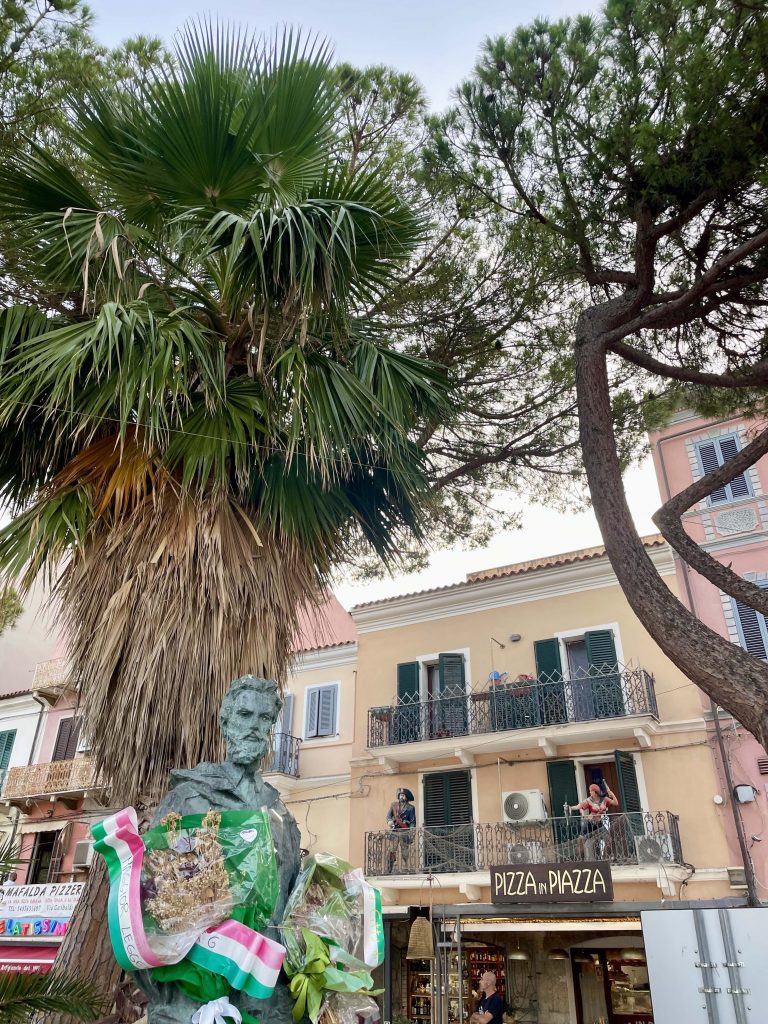
While the islands are often the main reason people visit La Maddalena, I think the town is just as worth experiencing. After spending the day on the water, I always enjoy coming back in the evening. The harbor fills with boats returning for the day, restaurants and cafés become busy, and people gather along the waterfront and in the streets before dinner. It’s one of my favorite places in northern Sardinia to spend a summer evening. I have always enjoyed arriving just before sunset, when the town feels at its liveliest. The streets are lined with small boutiques, restaurants, and cafés, making it an easy place to spend several hours without any particular plan. Some of my favorite memories of La Maddalena are not tied to a specific beach or viewpoint, but to simple evenings spent walking through the town before sitting down for dinner overlooking the harbor.
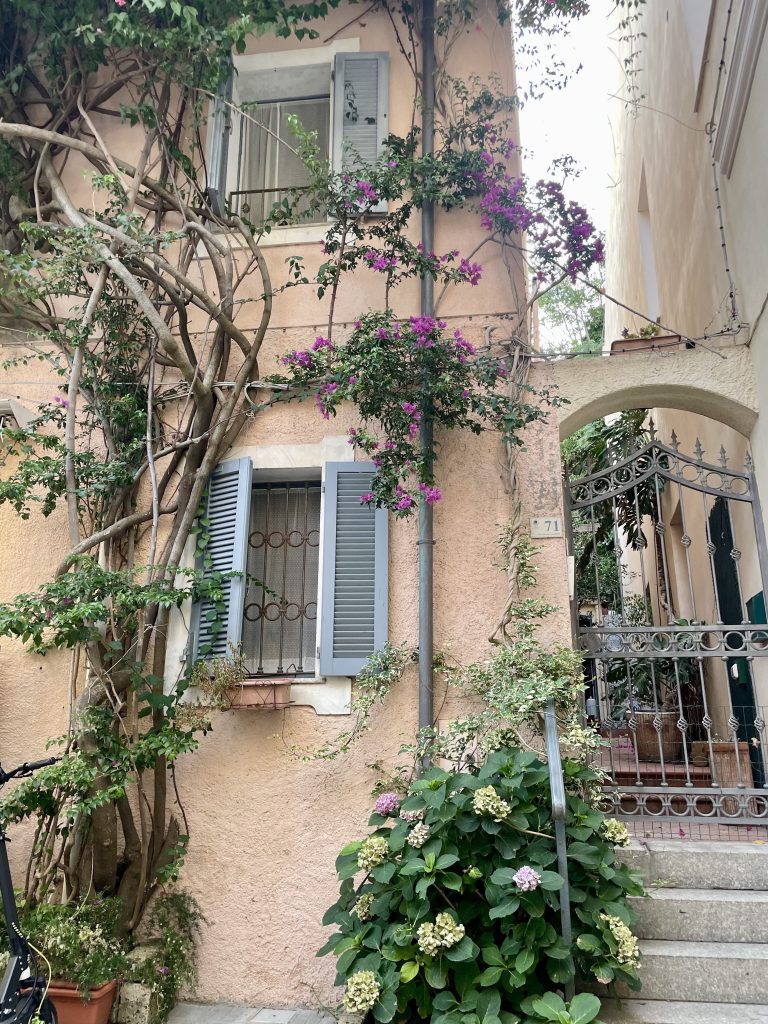
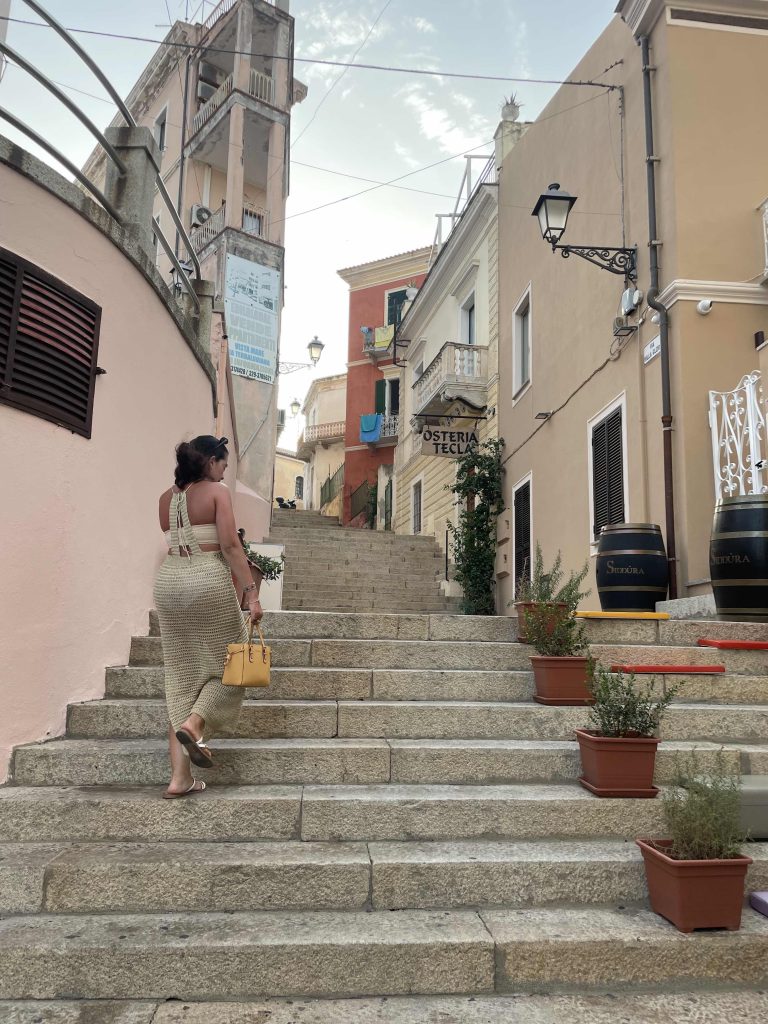
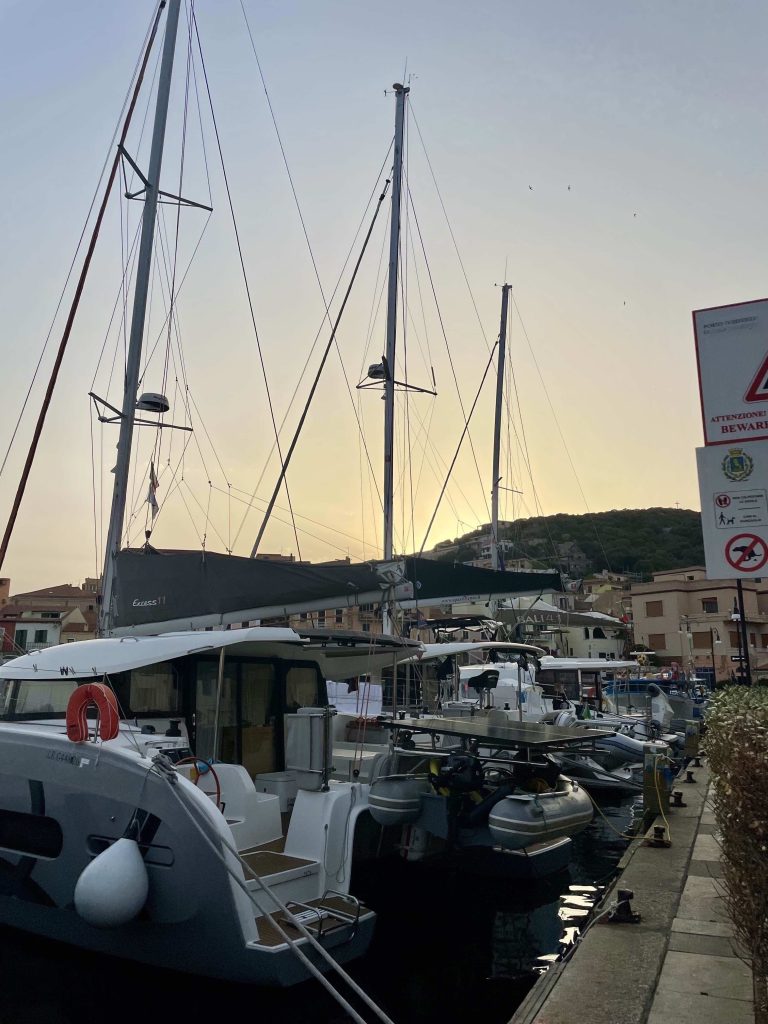
For me, that is what makes La Maddalena worth returning to. The islands are beautiful, but so is ending the day in town, walking through the streets, finding somewhere for dinner, and watching the harbor gradually fill with people. It’s a routine I look forward to every time I’m in Sardinia. Every return reminds me that La Maddalena is much more than a collection of beautiful beaches. It’s a place I look forward to visiting every summer, not only for the archipelago itself, but also for the time spent in the town at the end of the day.