On Blue Zone living, long summer days by the sea, and the way Sardinia gently changes the body and mind.
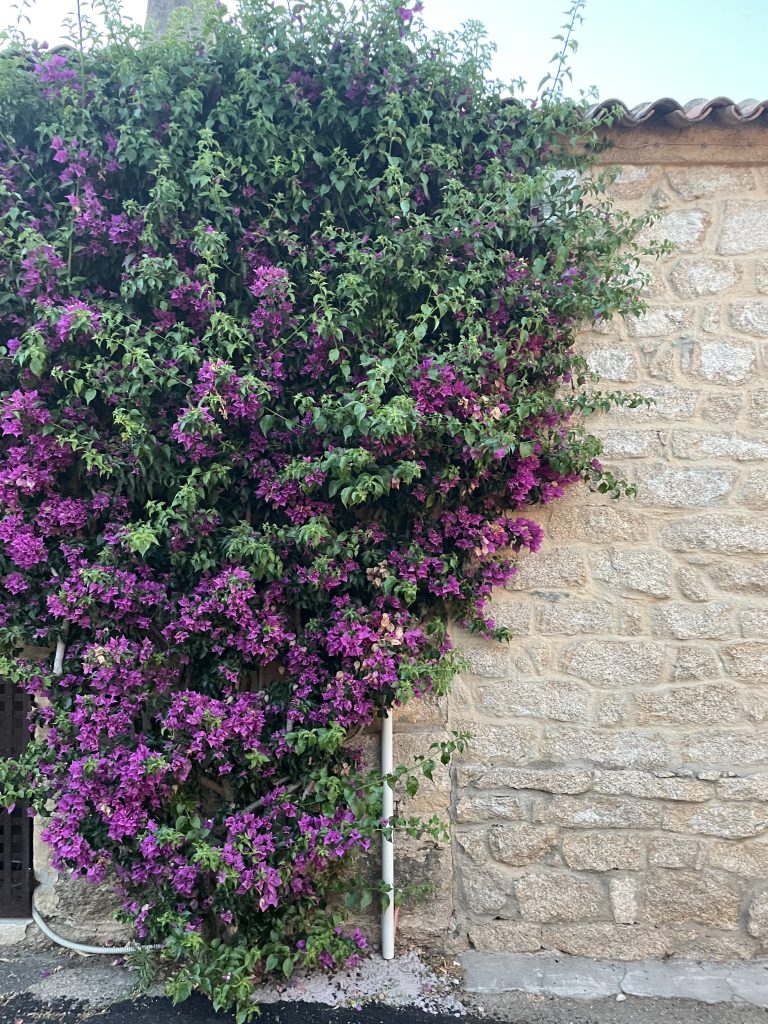
There is a noticeable shift that happens every time I return to our summer house in Sardinia. Life slows down almost immediately. Maybe part of it is simply summer itself, the body naturally relaxing during warmer months, but I also believe there is something very specific about Sardinia that reconnects me to nature, calm, and even to parts of myself that feel more distant during the rest of the year. The sound of crickets at night, long days spent under the sun, the sea, the silence, and the slower rhythm of everyday life all seem to affect me deeply.
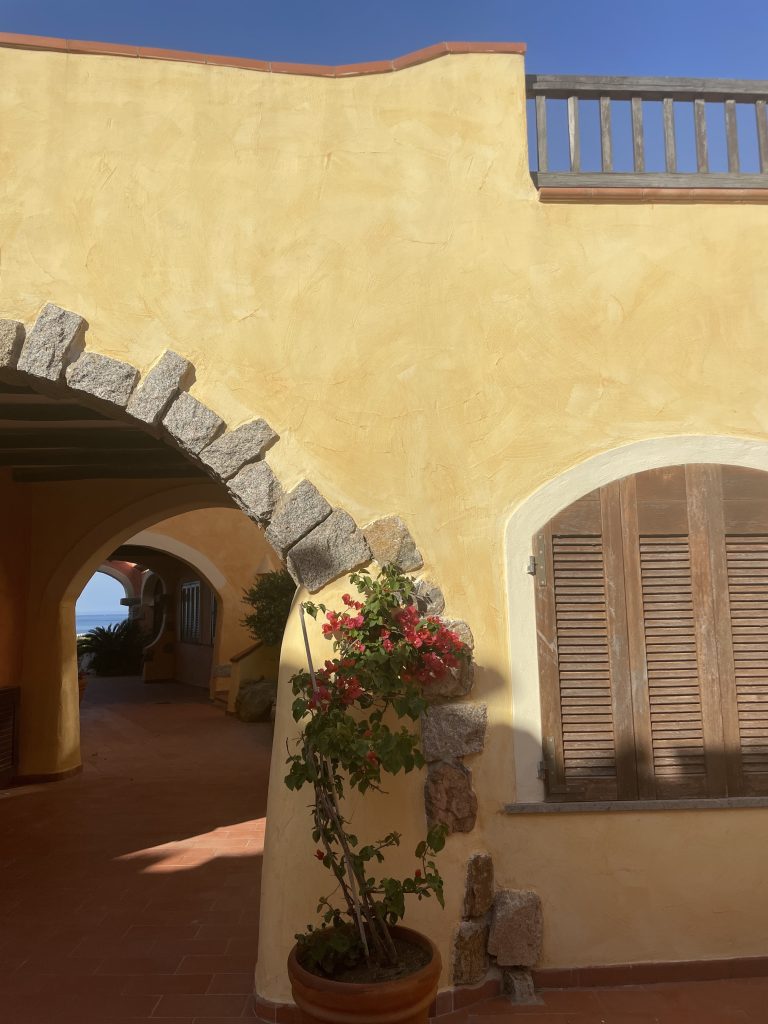
I have spent every summer in Sardinia for the past several years, where my family has a summer house in the Gallura region, in the northeastern part of the island. The places I return to every year, Porto Cervo, La Maddalena, Budelli, Spargi, are not simply beautiful destinations to me. They are connected to memory, family, routine, and to a version of summer that feels increasingly rare elsewhere.
As soon as I arrive there from Milan, I notice a physical difference; within a few days, I feel healthier. My skin looks better, my appetite returns, and I sleep more deeply in a way that rarely happens during the rest of the year in San Francisco. I eat more, move more naturally, spend hours outdoors, and feel genuinely well in a way that feels difficult to recreate elsewhere.
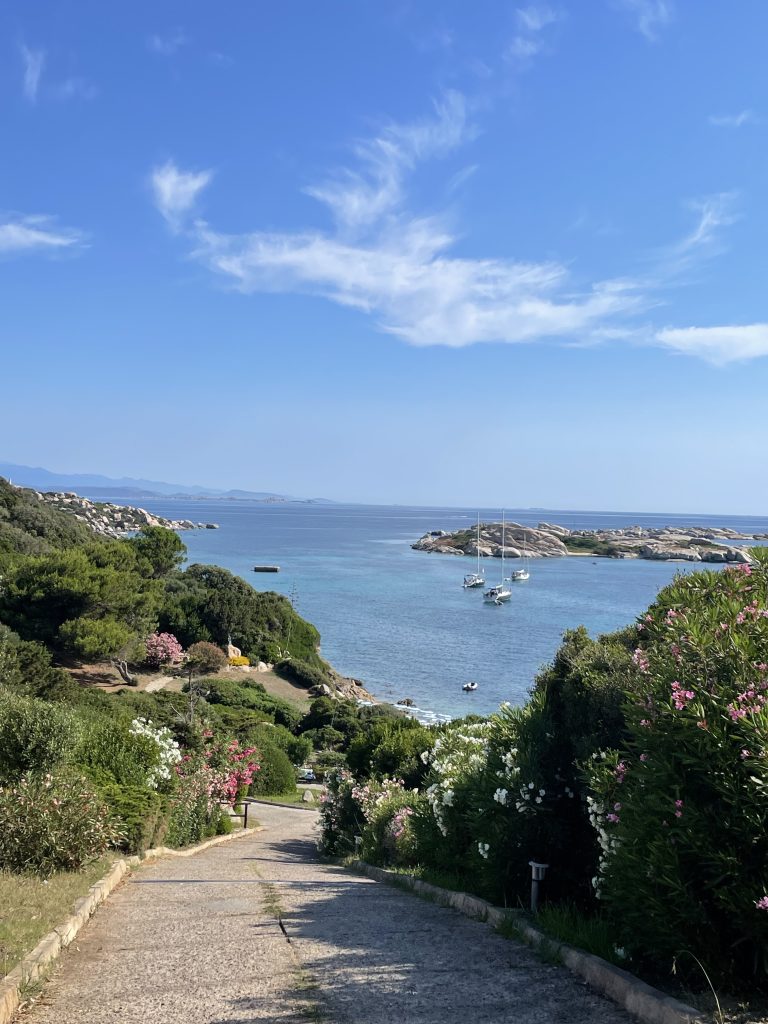
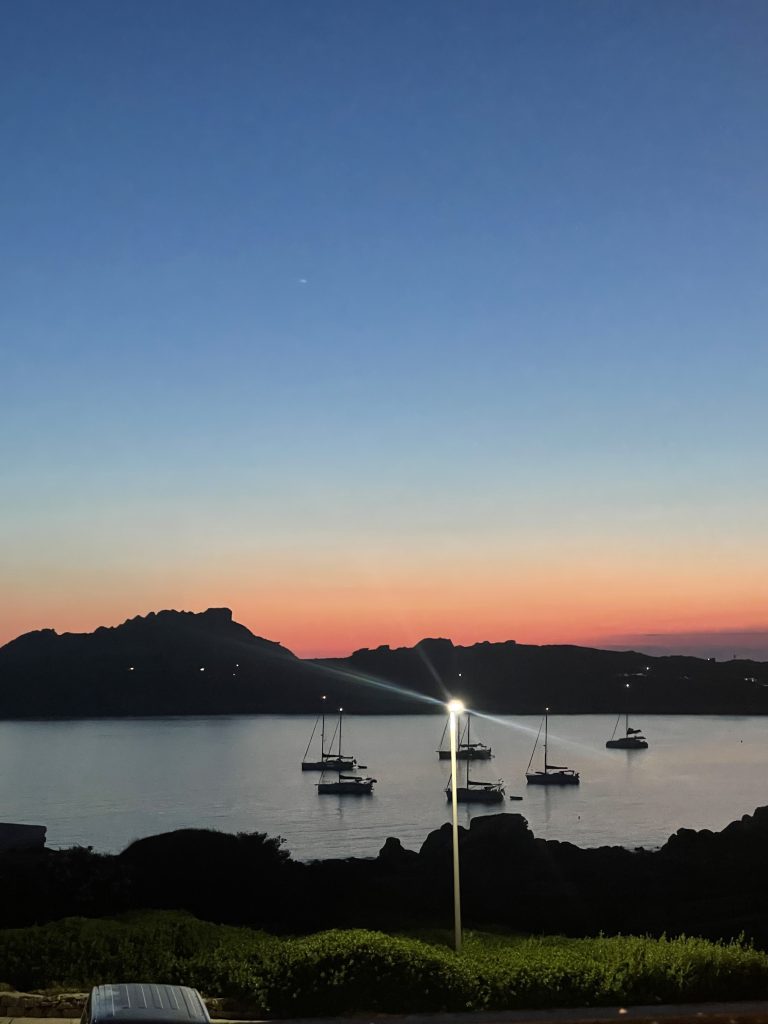
Sardinia is one of the world’s five officially recognized Blue Zones, regions where people live significantly longer and healthier lives than average. The term was coined by researcher Dan Buettner, who studied communities with unusually high numbers of centenarians. What these places share is not a wellness trend or a biohacking protocol, but simple inherited habits: nutritious food, natural daily movement, strong social ties, and a much quieter relationship to time. In Sardinia specifically, longevity does not feel like something people are consciously pursuing. It feels more like a natural consequence of the way life is structured.
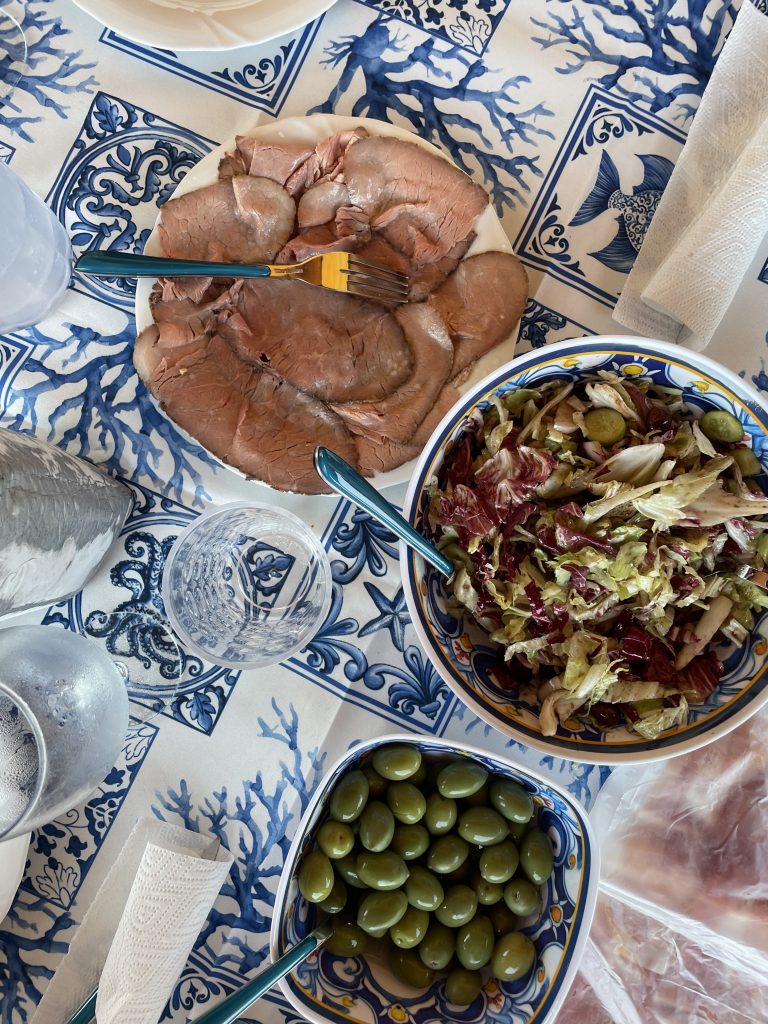
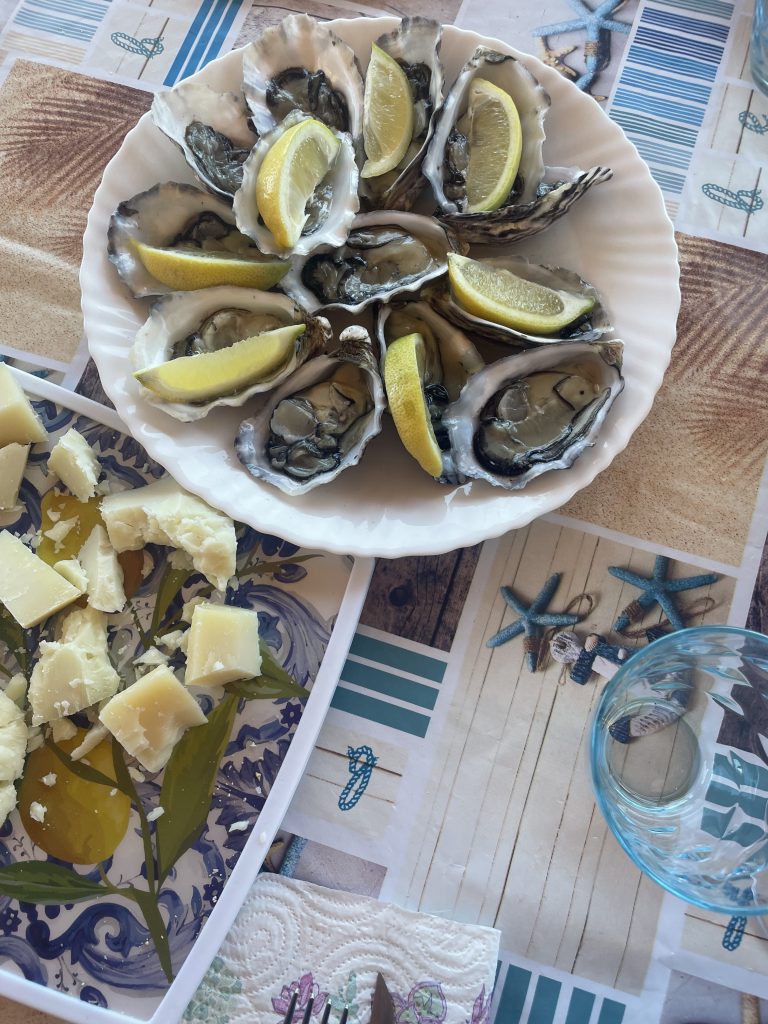
Food is central to all of this. In Sardinia I eat carasau bread, pecorino, fresh fish, legumes, seasonal vegetables, and simple meals built around good ingredients rather than complexity. Everything tastes different there, not because the recipes are elaborate, but because the ingredients themselves are genuinely fresh and the meals are unhurried. People sit together for longer, conversations continue at the table, and food feels naturally connected to everyday life rather than something rushed between obligations. There is also a sense of happiness around meals there that I rarely experience elsewhere.
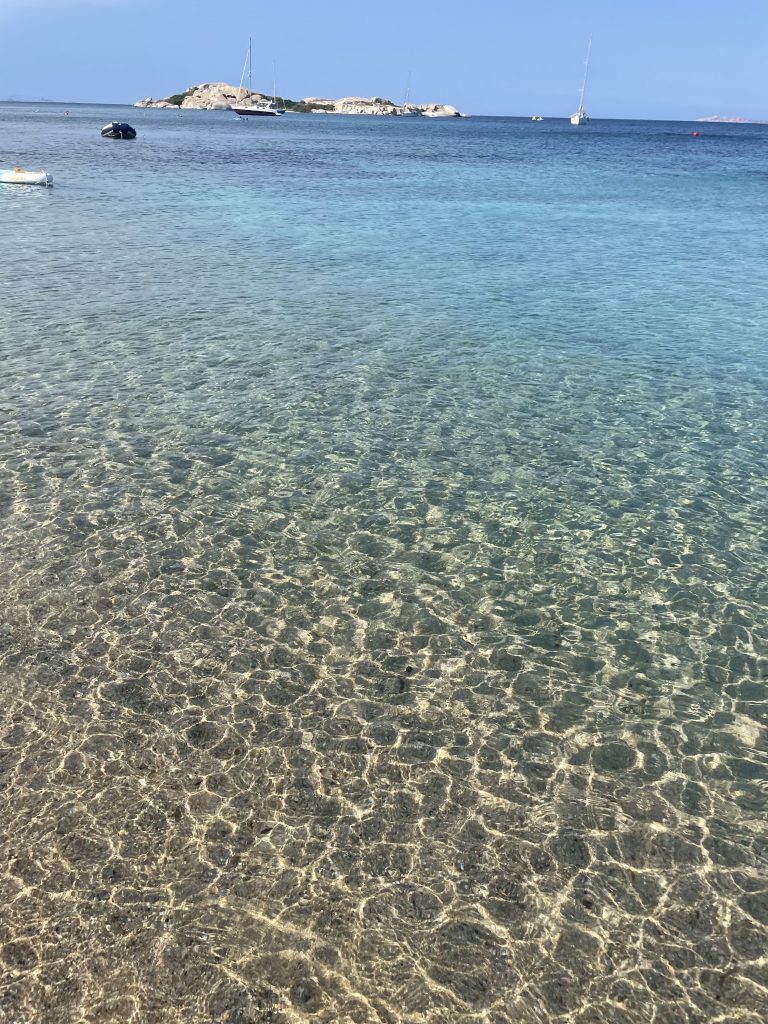
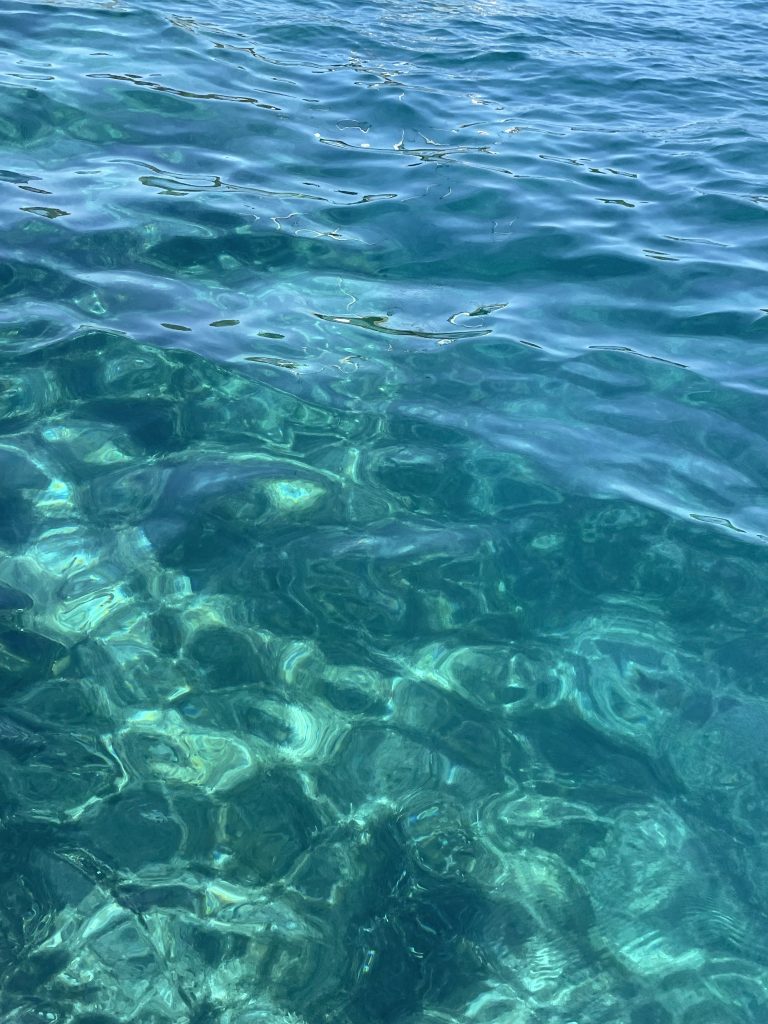
Swimming is the other thing. I have always loved the sea, but swimming in the Mediterranean feels like something beyond exercise. The waters around La Maddalena, Budelli, and Spargi are famous for their extraordinary clarity, something that still surprises me every summer no matter how many times I return. There is also something deeply therapeutic about the sea in Sardinia itself, the salt air, the mineral-rich water, the long hours spent swimming under the sun, and the feeling of complete physical relaxation that comes after spending entire days by the Mediterranean. Spending hours in that water every day reconnects me to a feeling I associate strongly with childhood. It feels like returning to a simpler version of life, before everyday routines begin to feel overwhelming.
One of the things I also love about Sardinia is its location and how close it is to Corsica. From Santa Teresa Gallura, it is possible to take a short boat trip across the Strait of Bonifacio and arrive in France within hours, in a place that shares many of the same qualities: the same sea, the same light, the same slower Mediterranean rhythm. We have done this several times over the years, and there is something incredibly special about moving between two countries that still feel deeply connected through landscape, atmosphere, and lifestyle. Corsica has its own identity, wilder and more rugged in some ways, but it feels like a natural extension of the same Mediterranean world.
What I have come to understand over time is that Sardinia works on the body through accumulation. It is not one thing alone, not only the food, or the swimming, or the slower pace, but all of these things operating together over days that unfold without urgency. Long mornings, hours at the beach, lunch at home with family, returning to the sea in the afternoon, aperitivo as the light changes, and long evenings spent outdoors. The day has a shape, and that shape is gentle.
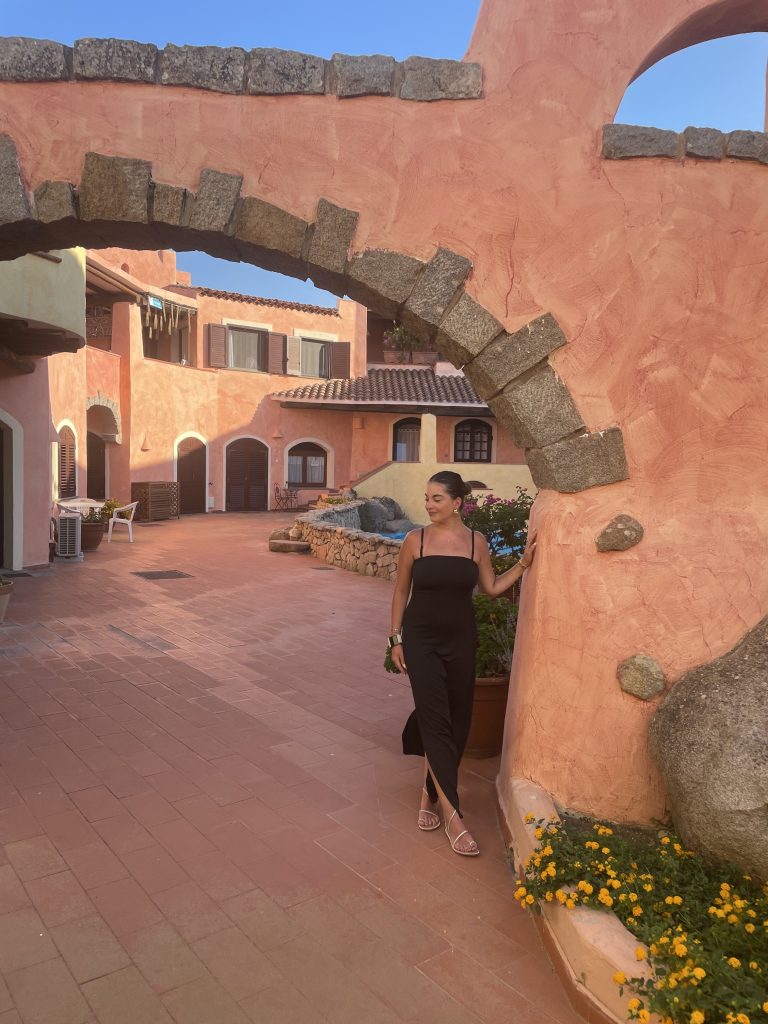
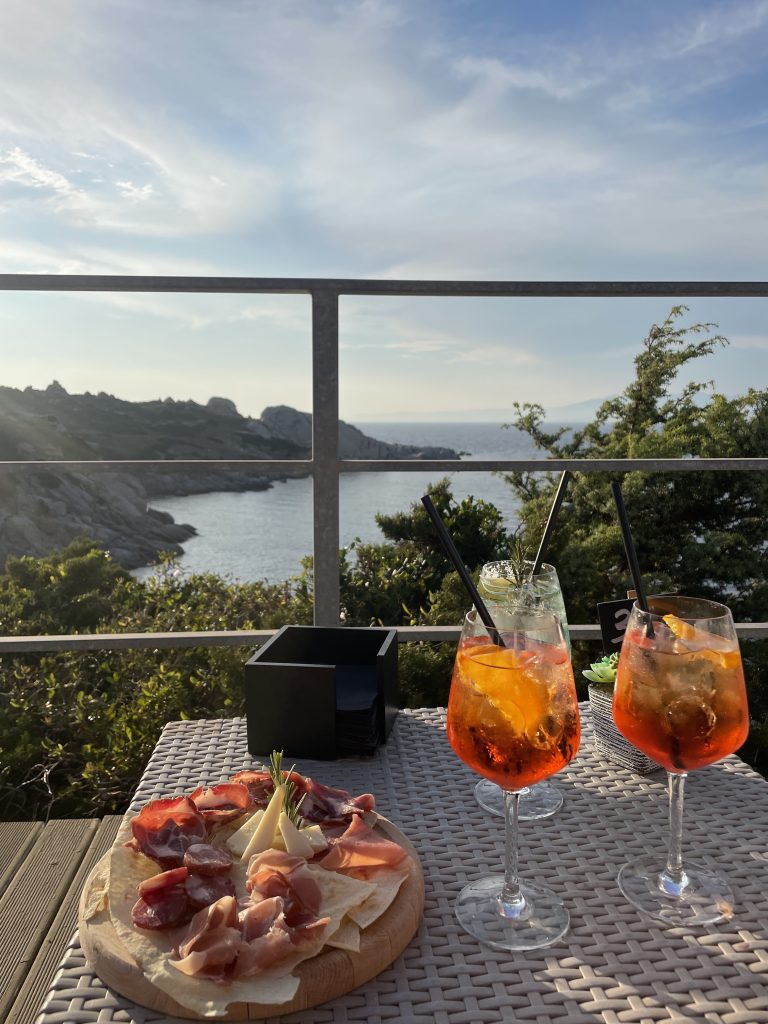
Researchers studying Blue Zones often describe this as “unintentional wellness,” the kind that does not require tracking, optimizing, or scheduling. You do not go to Sardinia to heal. You simply live there for a while, and the healing happens naturally as a consequence of how life is lived on the island. The body, which spends most of the year moving through stress and constant stimulation, finally has space to slow down. And in that quieter rhythm, I begin to feel better again.
Spending time in Sardinia has made me think more deeply about the relationship between environment and well-being. Places affect us physically and emotionally in ways we often underestimate. The slower rhythm of life, the time spent outdoors, the silence, the sea, and the absence of constant urgency all shape the way I feel there in ways that are difficult to fully explain. My connection to the Mediterranean is not only aesthetic. It is the place where my body seems to rest most naturally.